How To Keep Ice Baths Clean?

How to keep ice baths clean?
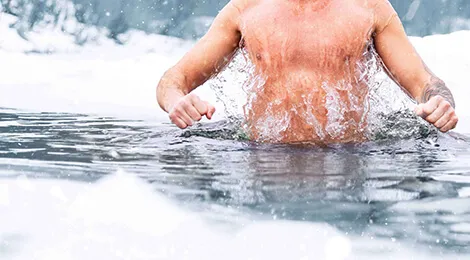
As far back as ancient times, people have been using ice water to treat illnesses and recover their bodies. Especially in cold climate regions, they stimulate their bodies by immersing themselves in ice lakes or ice caves during the winter, triggering bodily reactions to promote blood circulation and physical recovery. This was considered a challenge to both the body and mind, believed to be beneficial for health. The tradition of ice bathing began early in Nordic regions, particularly in countries like Finland and Norway, where it holds significant cultural importance. In Finland, in particular, ice bathing is not only an integral part of people's lives but also a part of Finnish culture. In Russia, ice bathing is also cultural, often combined with saunas. They undergo high-temperature steam baths in saunas and then plunge into icy water, exposing the body to two drastically different environments, and stimulating bodily responses. This ice bathing method can improve cardiovascular health and promote physical recovery, playing a crucial role in enhancing physical fitness. In modern times, ice bathing has also become a popular method for rehabilitation and health. Especially among athletes and health enthusiasts, they utilize ice baths to aid muscle recovery, alleviate fatigue, relax the body and mind, and boost the immune system, among other benefits.

How to keep ice baths clean?
Regular cleaning of ice baths is crucial to ensure their safety and hygiene. Here are some suggestions for maintaining the cleanliness of ice baths:
Regular water changes: After each use, it's important to promptly replace the water to prevent any potential buildup of dirt, bacteria, and other contaminants. Failure to do so may affect subsequent uses and could potentially pose unnecessary health risks. Change the water in the ice bath regularly based on usage frequency and water quality. Frequent water changes help reduce the accumulation of bacteria and dirt, maintaining water cleanliness.
Cleaning the ice bath container: Regularly cleaning the ice bath container is essential. Use specialized cleaning agents and disinfectants as recommended based on the equipment's materials and manufacturer guidelines. Select the appropriate cleaning agents and follow the instructions carefully. Pay attention to cleaning the interior of the container to prevent the buildup of dirt and bacteria.
Regular disinfection: In addition to cleaning, regular disinfection of the ice bath is necessary. Use disinfectant solutions or sprays to disinfect the surface of the ice bath, killing any bacteria and other pathogens that may be present.
Avoid contamination: Before using the ice bath, it's best to remove any makeup to prevent cosmetics from entering the water. Also, try to avoid using soap and other chemicals during the ice bath to ensure the body remains clean and to prevent impurities from entering the water, thus avoiding water contamination and reducing bacterial growth.
Regular maintenance and inspection: Regularly inspect the ice bath equipment to ensure there are no damages or water leakage issues. If any problems are found, promptly repair or replace the equipment to ensure safety and hygiene.
Remove residues: After use, promptly remove any residues from the ice bath to prevent ice fragments and dirt from lingering. Thoroughly clean the surface of the equipment and empty the water tank to complete the process.
Keep dry: When not in use, ensure the ice bath remains dry. Avoid water accumulation in the equipment and regularly wipe down the equipment to prevent the growth of bacteria and mold.
In summary, essential steps for maintaining ice bath cleanliness include regularly changing water, cleaning and disinfecting the container, avoiding contamination, conducting regular equipment inspections, removing residues, and keeping the ice bath dry. These measures ensure the safety and hygiene of the ice bath, providing a better user experience and a safe, sanitary environment.
What size trough for ice bath?
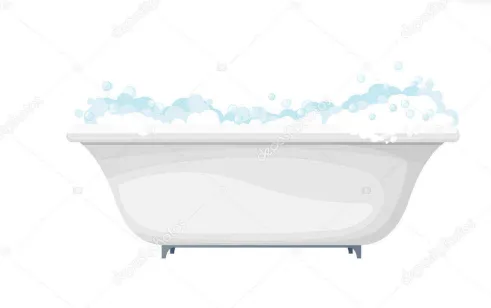
There are no specific regulations regarding the size of ice bathtubs; their dimensions can vary depending on different needs and usage scenarios. The size of an ice bathtub is also influenced by individual preferences, habits, requirements, and cost considerations. Here are some common size ranges for ice bathtubs:
Personal ice bath tubs: Personal ice bath tubs are typically smaller and suitable for individual use. They are spacious enough to accommodate one person sitting or lying down and fully immersed in water.
Group ice bath tubs: Ice bath tubs intended for group use require larger dimensions. These tubs may measure several meters in length, width, and depth to accommodate multiple users simultaneously.
Professional sports ice bath tubs: Some professional athletes may have customized ice bath tubs in rehabilitation centers to meet the varying physiques and specific needs of different athletes.
In summary, the size of an ice bathtub can be customized according to personal preferences and requirements, ensuring comfort and safety with sufficient water depth and space provided.

Are ice baths good for diabetics?
Ice baths may offer some potential benefits for individuals with diabetes, but they also come with corresponding risks. Individuals with diabetes need to carefully consider the use of ice baths and are advised to consult a doctor before use. Here are some effects ice baths may have on individuals with diabetes:
Improving circulation: Ice baths can stimulate blood vessel constriction, promoting circulation. Some studies suggest that exposure to cold water can stimulate the cardiovascular system, enhancing blood circulation and cardiovascular health. Ice baths may help improve blood supply to affected tissues, enhance sensation, and prevent diseases.
Alleviating pain and inflammation: Individuals with diabetes may experience nerve and joint pain. Ice baths have a certain effect in relieving inflammation and pain, which can help alleviate these symptoms in individuals with diabetes.
Blood sugar control: Research indicates that ice baths may increase the body's sensitivity to insulin, thereby promoting blood sugar control. However, this effect is temporary and varies from person to person.
Improving cardiovascular health: Research suggests that exposure to ice water in ice baths can stimulate the heart's vascular system, promoting blood circulation and cardiovascular health. Maintaining good cardiovascular health is particularly important for individuals with diabetes.
While unique ice baths may be beneficial for individuals with diabetes, they can also affect the body due to other factors. Therefore, careful consideration and consultation with a doctor are advised before using ice baths to avoid unnecessary health problems. Here are some factors to consider:
Cardiovascular health: Ice baths may affect the cardiovascular system, including heart rate and blood pressure. However, for individuals with more severe cardiovascular issues, ice baths may not be suitable without medical guidance.
Increased risk: Some individuals with diabetes may have sensory impairments, such as neuropathy. Due to the extremely low temperature of ice baths, if individuals with diabetes have impaired sensation, they may not accurately gauge the temperature, increasing the risk of injury due to excessively low temperatures.
Other complications: Individuals with diabetes may have other complications such as kidney disease, foot ulcers, etc., which need to be considered whether ice baths are appropriate.
Duration of use: Individuals with diabetes should use ice baths cautiously and pay attention to the duration and temperature of ice baths to avoid prolonged immersion leading to discomfort or adverse reactions.
Consultation with a doctor: Individuals with diabetes should consult a doctor before considering ice baths. If a doctor advises against it, the idea of ice baths should be abandoned immediately to avoid accidents.
Skin health: Individuals with diabetes are prone to skin infections and skin damage. During ice baths, it's important to protect the skin by cleaning and protecting it to prevent infections or injuries.
In summary, ice baths may offer benefits for individuals with diabetes but also pose potential risks. Individuals with diabetes should communicate with a doctor and obtain consent before taking ice baths. Additionally, the ice bath duration should not be excessive, and the temperature should not be too low. Individuals with diabetes should monitor their body condition and blood sugar levels during sauna use.

Are ice baths good for rheumatoid arthritis?
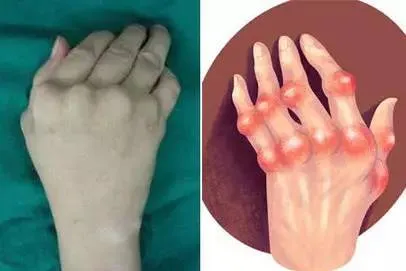
Ice baths may alleviate muscle pain and reduce inflammation, but they may not necessarily benefit patients with rheumatoid arthritis. There could be potential benefits, but cautious use is advised to avoid risks. Here are some potential benefits and precautions:
Benefits:
1. Alleviating arthritis inflammation and pain: Immersing in ice water during an ice bath can reduce joint swelling and inflammation, thereby easing pain and discomfort. Ice baths can help alleviate muscle pain and reduce inflammation, which may assist in relieving the pain associated with rheumatoid arthritis.
2. Improving joint function: By reducing arthritis inflammation and pain, ice baths may help improve joint function in patients with rheumatoid arthritis, aiding in increasing joint range of motion and flexibility.
3. Temporary symptom relief: Submerging in ice water can temporarily suppress pain signals in our bodies. Although this effect is temporary, it provides some degree of relief, allowing patients to temporarily reduce pain.
4. Reducing joint stiffness: Ice baths can help decrease joint stiffness, improving joint flexibility and range of motion. This is crucial for patients with rheumatoid arthritis, who often experience joint stiffness and functional impairment.
5. Enhancing cardiovascular health: Ice baths can promote blood circulation, and cardiovascular health, reduce blood pressure, and improve circulation. This can alleviate the risk of cardiovascular diseases in patients with rheumatoid arthritis.
Precautions:
1. Temperature and duration control: Ice bath temperature should be controlled according to individual health conditions and tolerance to avoid overcooling, which can lead to cardiovascular constriction and tissue damage. Also, pay attention to the duration of the ice bath to prevent exacerbating joint stiffness.
2. Individual differences: Different patients have different responses to ice baths, and the specific situation should be determined based on individual physical conditions. It's crucial to seek advice from a doctor and not to blindly engage in ice baths. While some patients may find relief and reduction in symptoms from ice baths, others may feel discomfort or worsen symptoms. Therefore, it's important to follow the doctor's advice and decide based on individual health conditions.
3. Skin health: Patients with rheumatoid arthritis may have a higher risk of skin problems due to medication. Therefore, special attention should be paid to skin cleanliness and protection during ice baths to avoid the risk of infection and injury.
In conclusion, ice baths may be beneficial for patients with rheumatoid arthritis, providing relief from inflammation-induced pain. However, they must be conducted under the guidance of a doctor to avoid discomfort or exacerbation of symptoms. It's also essential to control the duration and temperature of the ice bath to prevent discomfort.
Do ice baths help fibromyalgia?
The immersion of muscles in ice water during an ice bath can alleviate muscle pain and inflammation. Due to these benefits, many athletes and health enthusiasts engage in ice baths after exercising to relieve muscle pain and aid in recovery. Therefore, ice baths may offer some assistance in alleviating fibromyalgia pain. Here are several reasons why ice baths may help with fibromyalgia pain:
1. Reduced inflammation: Ice baths can constrict blood vessels and tissues, thereby reducing inflammation, which can help alleviate fibromyalgia pain.
2. Analgesic effect: Ice baths can slow down the transmission speed of nerve impulses, reducing the body's perception of pain. This analgesic effect may help alleviate muscle pain and discomfort.
3. Constriction of muscle blood vessels: Ice baths can induce the contraction of muscle blood vessels, reducing blood flow into muscle tissue, which may alleviate muscle pain and swelling.
4. Muscle recovery: Ice baths aid in the recovery of muscle function, particularly after strenuous exercise, facilitating rapid muscle recovery.
Overall, ice baths help alleviate muscle pain, but their effectiveness varies from person to person. Therefore, other methods to relieve fibromyalgia pain, such as heat therapy, massage, moderate rest, and proper nutritional supplementation, can be considered. Seeking medical assistance for individualized and scientifically sound approaches is advisable.

In conclusion, ice baths offer many benefits to the body, especially in terms of alleviating muscle soreness. By lowering muscle temperature and reducing blood flow to injured areas, ice baths can help alleviate post-exercise pain and discomfort, and promote the recovery of damaged muscles. In some countries, ice baths are regarded as a form of physical and mental exercise, becoming increasingly popular and beloved by people.
Do Ice Baths Help With Loose Skin?
Ice Bath Value For Money.
Related Article