Ice Bath Value For Money.

Ice bath value for money
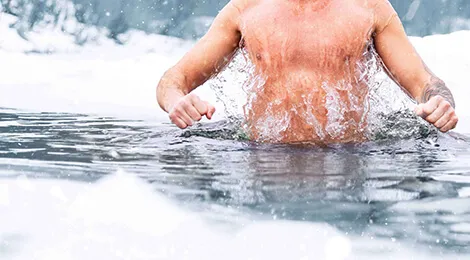
The origin of ice bathing can be traced back to ancient times, with many ancient cultures documenting the practice of stimulating the body with cold water and ice to promote recovery and rehabilitation. In many Nordic countries, people would immerse themselves in ice lakes or ice holes during the winter to boost immunity and aid in physical recovery. The fact that ice bathing therapy has endured to this day surely indicates its significant efficacy. While the effects of ice bathing vary from person to person, most individuals experience enhanced physical well-being after such sessions, making it widely embraced and favored by many. The associated costs also vary; the most economical method involves winter immersion in ice lakes or holes, yielding comparable results. With the improvement in living standards today, many opt to have ice bathing facilities at home, which also come at reasonable costs. The expenses typically include ice blocks, water fees, and additional equipment such as bathtubs or containers. Despite these costs, the benefits of ice bathing, such as improved blood circulation, relief from muscle pain and fatigue, strengthened immune system and enhanced mental resilience, far outweigh the investment. Overall, ice bathing offers a relatively high cost-effectiveness, allowing individuals to reap physical benefits at minimal expense. Next, let's delve into the effects and benefits brought about by ice bathing.
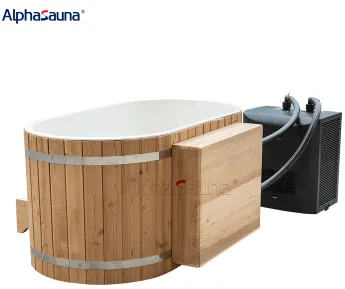
What to wear in an ice bath?
When taking an ice bath, the attire should prioritize simplicity, comfort, and convenience. Typically recommended clothing options include:
Swimsuit or athletic wear: This is the most common choice, as these garments are lightweight, quick-drying, and suitable for water activities. Swimsuits or snug-fitting athletic wear conform well to the body and remain comfortable in wet conditions. They also offer minimal resistance in water, making them the preferred option.
Shorts or athletic shorts: Lightweight shorts or athletic shorts are suitable alternatives. They dry quickly and do not impose significant resistance during movement.
Lightweight clothing: If swimsuits or snug-fitting garments are not preferred, opting for lightweight clothing such as track pants and T-shirts is advisable. Choosing breathable materials helps prevent excessive absorption of water, enhancing comfort.
Sleeveless shirts or tank tops: These garments are also suitable for water activities, allowing freedom of movement for your arms and shoulders. Avoid wearing heavy clothing to prevent excessive water absorption.
Lightweight sandals or socks: Wearing sandals or socks while moving around the ice bath area protects your feet and provides warmth after the ice bath.
Towel: A dry towel is essential after the ice bath. Immediately drying off your body and hair with a dry towel after the ice bath helps prevent symptoms like colds or dizziness.
Overall, choosing comfortable clothing that does not hinder water activities is crucial. The attire for ice baths should be lightweight and comfortable, considering the drying speed and comfort of the clothing in water. Ensure that the clothing you wear does not restrict movement in water and remains comfortable throughout the ice bath.

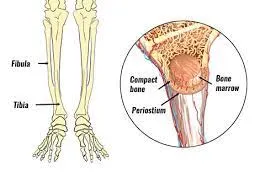
Do ice baths help shin splints?
Shin splints are a common sports injury, often occurring during running or other high-impact activities due to excessive stress on the muscles and bones around the ankle. Ice baths may help alleviate some discomfort associated with shin splints, but the specific effects vary from person to person and may not benefit everyone. Ice baths primarily work by reducing body temperature through ice water, promoting blood circulation and flow to alleviate inflammation and pain. Its mechanism is somewhat similar to ice packs, both aiming to constrict blood vessels and reduce blood flow to the injured area, thus alleviating inflammation and swelling. The ice water of ice baths can also shock nerves, slowing down the transmission speed of nerve impulses, and thereby reducing pain sensation.
However, ice baths cannot completely cure shin splints; they only serve to relieve pain, and their effectiveness varies from person to person. When dealing with shin splints, it is advisable to seek medical assistance to avoid exacerbating symptoms. It is recommended to adopt a comprehensive treatment approach, such as appropriate rest, physical therapy, muscle strengthening exercises, correct running posture, etc. Additionally, it is important to follow the advice of healthcare professionals, as they will provide you with safe and scientifically sound treatment plans tailored to your specific situation, including whether ice baths are suitable for your condition and recovery process. When considering the use of ice baths or addressing other health issues, it is essential to consult a doctor's advice to prevent unnecessary health problems.
Do ice baths tighten skin?
Ice baths may temporarily tighten the skin, but their effects are temporary and relatively minor, varying from person to person. Not everyone will experience skin tightening after an ice bath. Ice baths work by reducing the skin's temperature, causing blood vessels to constrict, and making the skin appear slightly firmer. However, this effect is temporary, and as the body gradually recovers after the ice bath, the tightening effect fades away. The primary purpose of ice baths is to alleviate muscle fatigue and inflammation, promote blood circulation, enhance the immune system, and accelerate recovery. However, ice baths may also have some indirect effects on the skin, including:
Reducing swelling: Ice baths can alleviate muscle pain and reduce skin swelling associated with local inflammation, which may make the skin appear firmer.
Shrinking pores: Immersion in ice water during an ice bath may temporarily result in smoother and firmer-looking skin. However, this effect is temporary, and once the ice bath is over, the body returns to normal, and the effect diminishes.
Promoting blood circulation: Ice baths may promote blood circulation, increasing blood flow, which helps provide more oxygen and nutrients to the skin, promoting skin health and a firmer appearance.
In conclusion, ice baths may tighten the skin temporarily, but their effects are short-lived and vary from person to person. However, skin tightening is not its primary purpose. Therefore, if you're seeking long-term skin tightening, consider other cosmetic procedures or skin care options such as skin-tightening masks, massages, targeted skincare, etc. These can be combined with other methods like regular exercise, maintaining a healthy diet and lifestyle, and using skincare products. Overall, while ice baths may temporarily tighten the skin to some extent, they are not the most effective method for long-term skin tightening.

How much are ice baths?
The cost of ice baths can be influenced by various factors such as location, equipment, water fees, and ice expenses. Here are some factors that may affect the cost of ice baths:
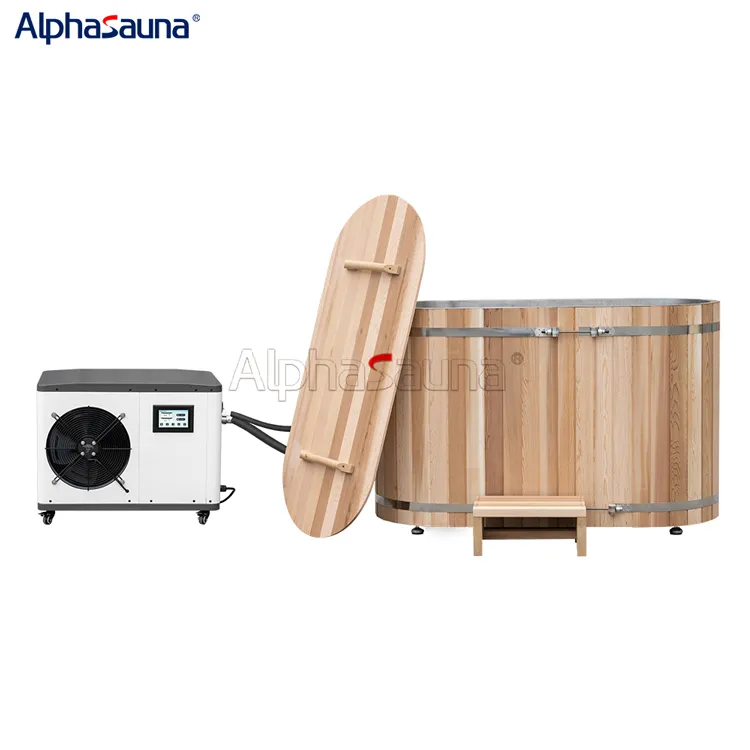
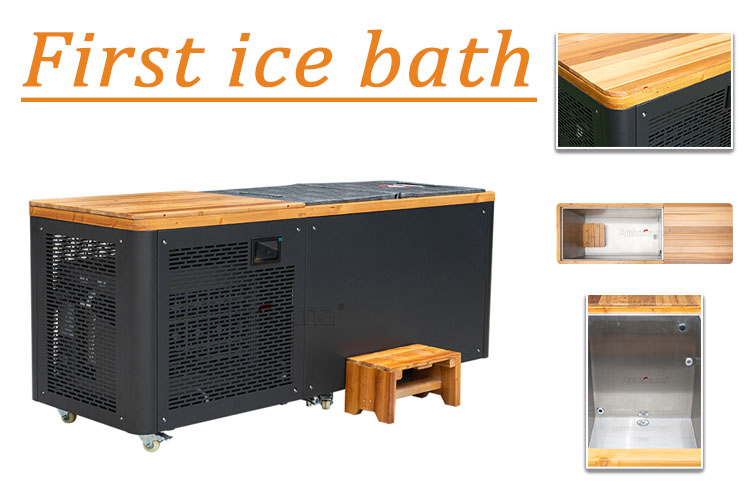
Equipment cost: If you need to purchase specialized equipment for water immersion, such as tubs or containers, the price of these devices will also be part of the cost of ice baths.
Water fees: Ice baths require a large amount of water to fill containers or tubs, and water fees may vary depending on the region. Therefore, the cost of ice baths will vary for people in different regions, but it will always be an expenditure.
Ice expenses: If you choose to use ice to lower the water temperature, the cost of ice will also be a consideration. Ice prices vary depending on the region and season. This depends on the price of ice in the region and the amount of ice needed for each ice bath.
Professional facility costs: If you choose to take ice baths at a gym, spa, or other professional facility, the cost may be higher, requiring membership fees or usage fees.
Overall, the cost of ice baths can range from a few dollars to tens of dollars per use. Taking ice baths at home may be more economical, but factors such as equipment and water fees need to be considered. Although ice baths in professional settings may be more expensive, they offer more convenience and services. However, it is also necessary to consider the frequency and duration of ice bath usage. If you plan to use ice baths frequently in the long term, it is recommended to do it at home. Specific preferences, needs, and budgets should be taken into account.
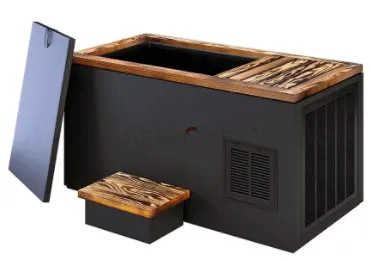
How to breathe in an ice bath?
Breathing during an ice bath is crucial and necessary as it helps maintain the body's oxygen supply and expel carbon dioxide. However, it's also important to be cautious to avoid any potential risks. Here are some suggestions for breathing during an ice bath:
Deep breathing: Try to take slow, deep breaths as much as possible. Deep breathing can help relax the body and mind, reduce discomfort from the cold water, alleviate anxiety and tension, and ensure adequate oxygen supply.
Slow breathing: Aim to maintain a slow and steady breathing rhythm, which can help prepare you to cope with the shock of cold water and reduce discomfort from the ice bath. Avoid breathing too quickly or shallowly, as this may increase discomfort and anxiety.
Stay calm: If you feel shortness of breath or discomfort, try not to panic. Stay calm and try to control your emotions by focusing on deep breathing. Allow your body to adjust to the water temperature.
Adaptation: If you feel uncomfortable breathing during your first ice bath attempt, don't panic. Stay calm, relax your body through deep breathing, and try again after regaining composure. You can start by staying in the ice bath for a short period and gradually increase the duration until you fully adapt to breathing in the water.
In summary, deep breathing is essential during an ice bath, but it's important to adjust according to individual physical condition and adaptation ability. If you find it too challenging, don't force yourself. Breathing during an ice bath should be deep, slow, and steady, helping you adapt to the stimulation of the ice water while ensuring your safety and comfort.

In summary, the cost-effectiveness of ice baths depends on individual preferences, needs, and budgets. While ice baths offer health and recovery benefits to the body, their value and cost vary for different people. Ice baths may be a beneficial and healthy recovery method, but they are not a one-size-fits-all solution. Therefore, everyone should consider their own needs and circumstances, and consult with a doctor or professional before making a decision.
How To Keep Ice Baths Clean?
Can You Put Epsom Salt In An Ice Bath?
Related Article