


Some knowledge about cold plunge
author: Jerry
2023-11-01
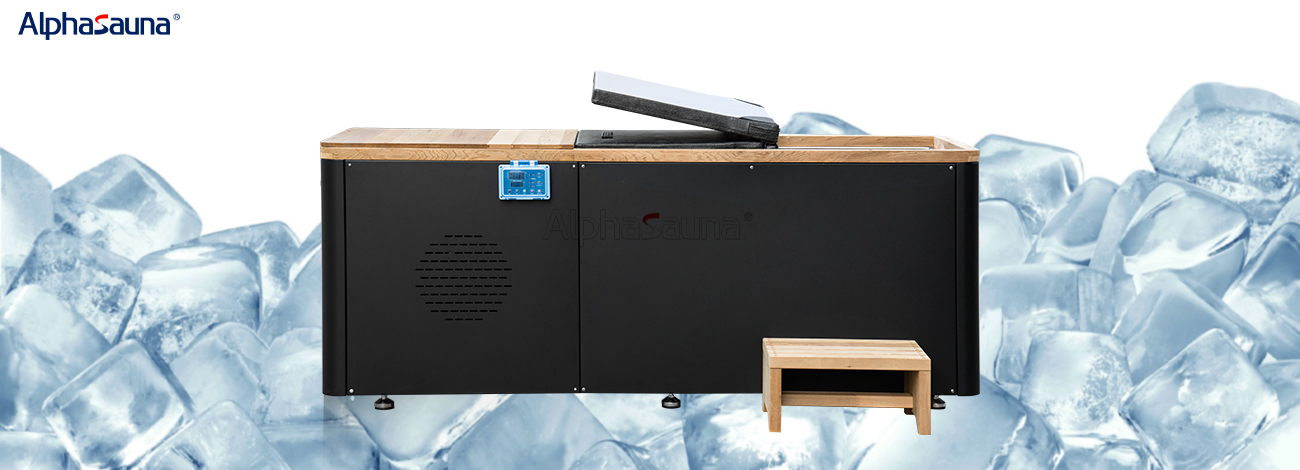
Some knowledge about cold plunge
Cold plunge is loved by more and more people. Not only fitness enthusiasts, many people are beginning to consider installing a cold plunge tub at home to enjoy the stimulation and therapeutic effects of cold plunge. As a professional cold plunge manufacturer, Alphasauna is often asked questions about cold plunges by customers, and we will answer them here.
Let’s first understand what is cold plunge?
A cold plunge, also known as a cold plunge pool or cold immersion bath, is a small pool or tub filled with very cold water, typically with temperatures ranging from around 50°F to 59°F (10°C to 15°C) or even lower. It is used for cold water immersion therapy, which is a form of hydrotherapy. Cold plunges are often found in spa and wellness centers, as well as some fitness facilities, and they are commonly used after activities like saunas, hot tubs , or exercise.
The idea behind a cold plunge is to rapidly cool down the body after exposure to heat or strenuous exercise. The cold water can help reduce muscle soreness, inflammation, and improve circulation. Many people use cold plunges as part of a contrast therapy routine, where they alternate between hot and cold treatments, like going from a hot sauna to a cold plunge.
The experience of using a cold plunge can be invigorating and is believed to have various health benefits. It's essential to be cautious and follow safety guidelines when using cold plunge pools, especially if you have certain medical conditions or are unaccustomed to cold water immersion. It's also a good idea to consult with a healthcare professional before incorporating cold water immersion into your wellness routine.
Next is some knowledge about cold plunge
How to keep cold plunge water cold?
There are many ways to keep your cold plunge water cold, and Alphasauna has some suggestions:
- Maintain the proper temperature: Use very cold water in a cold soak bath. Use a thermometer to make sure the water temperature is within the desired range, usually between 10°C and 15°C (50°F and 59°F). Lower temperatures may be more effective for cold therapy.
- Use a lid: If your cold soak bath has a lid or top, use it when the bath is not in use. The lid helps retain heat. If your cold soak tub doesn't have a cover, consider customizing one or using an insulating material like a pool cover.
- Shade and ventilation: Make sure the area around your cold soak is shaded and well ventilated. Avoid direct sunlight as it will heat up the water temperature faster. A shaded area and good ventilation can help maintain the desired water temperature.
- Change the water regularly: Depending on the frequency of use and ambient temperature, you may need to change the cold water regularly. Drain warm water and refill cold water to maintain desired temperature.
- Refrigeration System: In commercial settings or where tight temperature control is required, consider a refrigeration system specifically designed to maintain a constant water temperature. These systems are more complex but very effective at maintaining the desired water temperature.
- Ice packs or ice baths: If you don't have a refrigeration system, you can periodically add ice packs or ice cubes to your cold soak bath. This helps lower the water temperature and keeps it cold.
- Limit Use: To maintain cold water temperatures longer, you may need to limit the number of users and how long they stay in the cold bath. The more users and longer the dwell time, the faster the water temperature will rise.
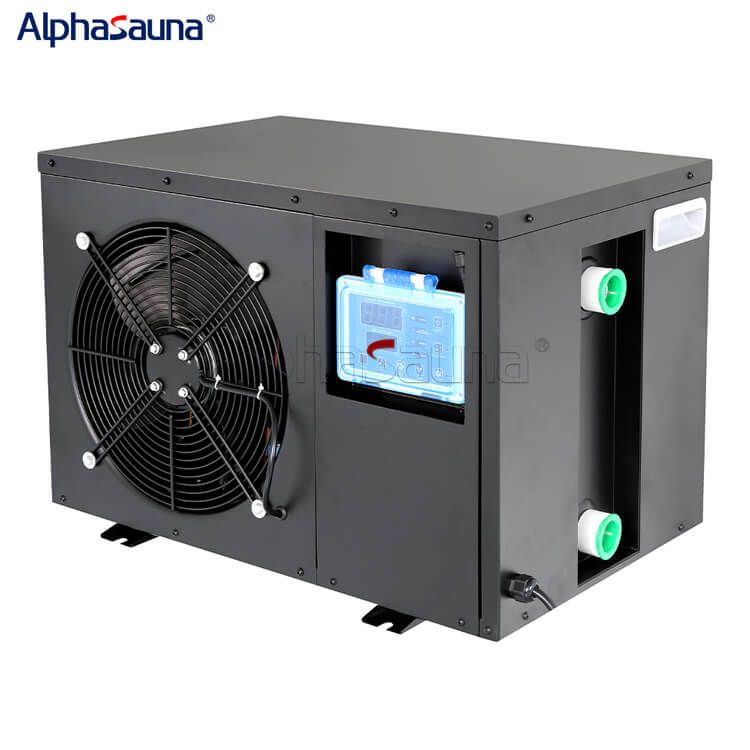
In this regard, Alphasauna's cold plunge tub is equipped with a cold plunge chiller. This cold plunge chiller has an advanced temperature control system that can detect the temperature of the water in real time. With just one click, you can reach your preset temperature. At the same time, Alphasauna's cold plunge also comes with a matching lid to help you reach the temperature you need and enhance your cold plunge experience.
How to keep water clean in cold plunge?
- Filtration system: If your cold plunge has a cold plunge chiller, please clean and maintain the cold plunge chiller's filtration system regularly to ensure its effectiveness.
- Test your water regularly: Test your water regularly to monitor its pH and levels of chlorine or other disinfectants. Keep water quality within recommended ranges to prevent bacterial growth and maintain water clarity.
- Chlorination or Disinfection: Use appropriate disinfectants, such as chlorine or bromine, to kill bacteria and other microorganisms in water. Follow the manufacturer's recommendations to use the correct dosage and maintain appropriate disinfection levels.
- Shower before use: Encourage users to shower before entering the cold water bath. This helps remove body oil, sweat, and makeup, which can contaminate the water.
- Food and Drink Prohibited: Food and drink are prohibited in or around cold water baths to prevent contamination from debris or spills.
- Clean regularly: Clean your cold plunge regularly, including scrubbing the inside and bottom of the pool to remove algae or biofilm. Change the water regularly for a more thorough cleaning.
- Use a pool cover: If your cold water bath has a cover, use it when not in use to prevent debris and contaminants from entering the water.
- Good ventilation: Make sure the area around your cold water bath is well ventilated to reduce humidity and moisture buildup, which can help bacteria and algae grow.
- Avoid Oils and Lotions: Discourage users from applying oils, lotions or creams before entering a cold water bath as these products may form a film on the water surface and encourage bacterial growth.
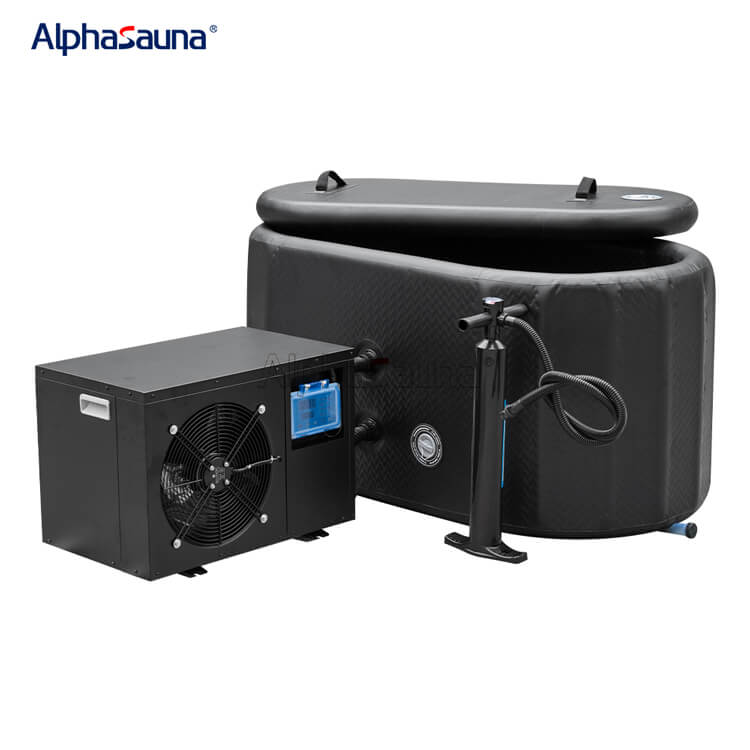
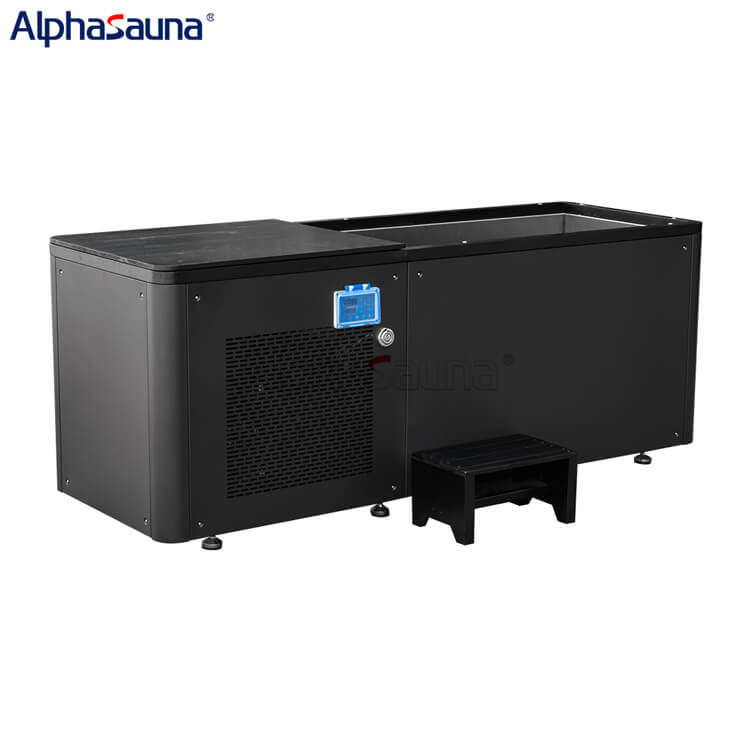
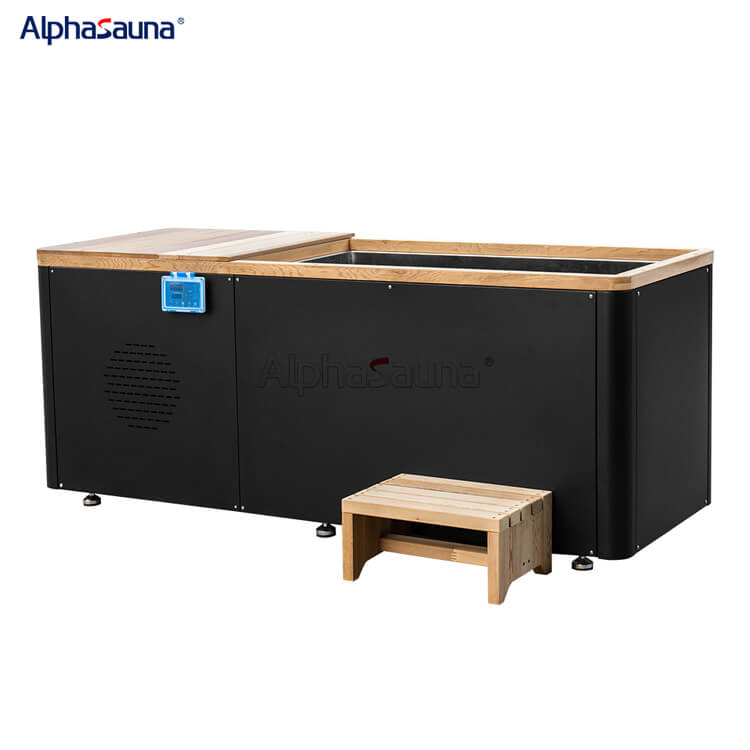
When using a cold soak bath, we need to ensure that we not only keep the water temperature appropriate, but also keep the water clean and hygienic. The restorative and health benefits of a cold bath are obvious, but these benefits can only be fully experienced in the right environment.
Some knowledge about cold plunge
Exploring the Benefits of Hot and Cold Therapy: A Comprehensive Guide
Related Article
Both hot 、 ice baths can bring health benefits. What effect can be achieved by combining them? How does the alternating hot and cold shock feel to the body?
Take advantage of hot and cold contrast therapy
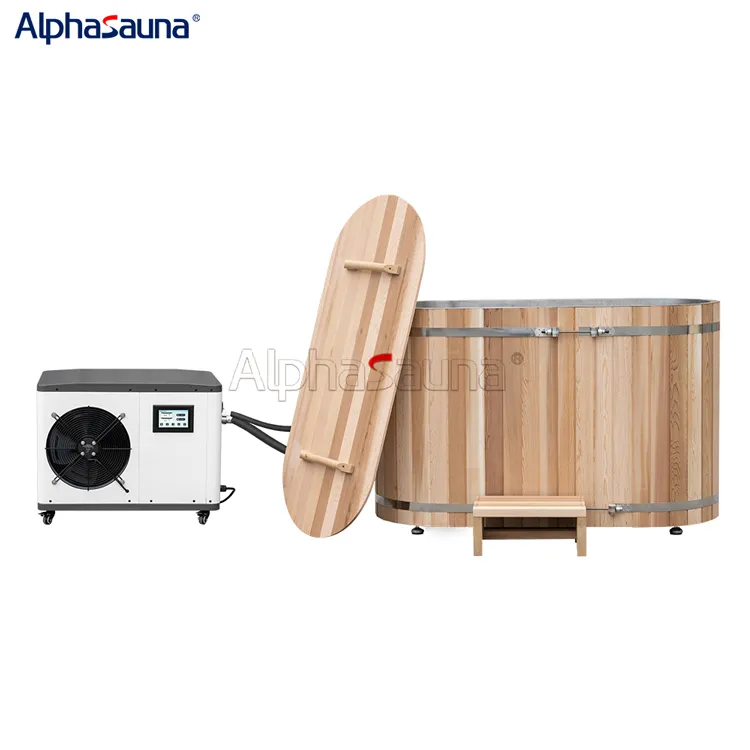
Are you interested in taking on the ice bath challenge? This guide explores different types of ice baths, their benefits, a beginner's guide to purchasing an ice bath, and much more. Join us and dive into the world of cold therapy!
Ice bath:A Must-Have Buying Guide for Beginners"
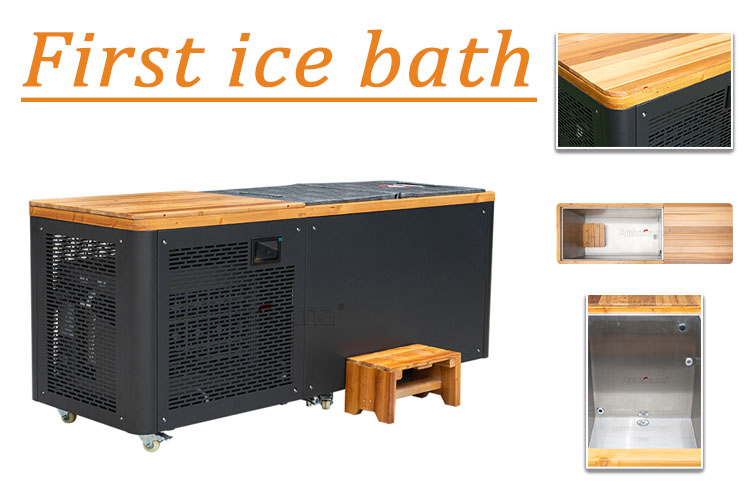
Taking an ice bath for the first time is a thrilling and exciting adventure, as the chill sweeps over you and puts your body on alert. For those of you who have no prior experience, you should acquaint yourselves with the pertinent knowledge regarding ice baths. The theme of this issue is "How long should you stay in your first ice bath?"
How long should a novice stay in the ice bath for the first time?
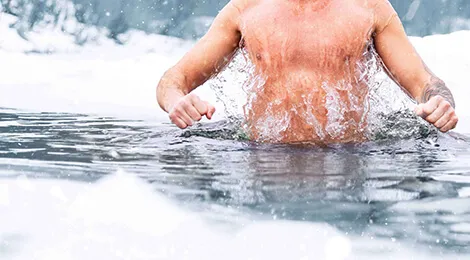
If you're health-conscious, whether you're a novice or a seasoned fitness aficionado, you likely have various approaches to enhancing your physical well-being. However, have you ever considered the benefits and precautions of both ice baths and hot water baths? In this edition, we'll delve into the nuances of ice bathing, exploring its health implications and essential considerations.
Should I take a hot shower after an ice bath?