
How can using a sauna improve sleep quality?
author: Xin Rui
2024-08-19
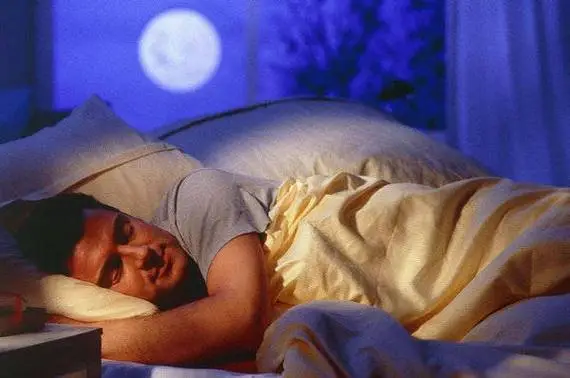
In today's fast-paced society, getting high-quality sleep can be a challenge for many people. Factors such as work pressure, family responsibilities, and illness can all affect sleep quality. While you may not be able to control these factors, you can adopt certain methods to improve your sleep habits and extend the duration of deep sleep. Studies have shown that sauna heat therapy, as a healthy practice, can also positively impact sleep improvement. Please continue reading to discover the truth about sleep and learn more ways to enhance your sleep quality.
What Is The Sleep Cycle?
The sleep cycle is a period of rotation between the body and the brain, representing a complete sleep process. It is divided into four stages, ranging from physical recovery to memory consolidation, with each stage playing a distinct and essential role. Typically, each sleep cycle lasts 90-110 minutes, and most people experience 4-6 cycles per night.
The Four Stages of The Sleep Cycle
The sleep cycle is divided into four stages, categorized into "non-rapid eye movement (NREM) sleep" and "rapid eye movement (REM) sleep." The first three stages are NREM sleep, which comprises 75%-80% of the total sleep cycle.
Non-Rapid Eye Movement (NREM) Sleep - N1 Stage
The N1 stage is the initial phase of sleep, classified as light sleep, and marks the transition from wakefulness to sleep. This stage typically lasts about 5 minutes. During this time, the body begins to relax, muscles loosen, and brain waves gradually shift from high-frequency to low-frequency. However, it’s easy to wake up during this stage, so it's important to quickly transition to the N2 stage for better sleep.
The N1 stage is the initial phase of sleep, classified as light sleep, and marks the transition from wakefulness to sleep. This stage typically lasts about 5 minutes. During this time, the body begins to relax, muscles loosen, and brain waves gradually shift from high-frequency to low-frequency. However, it’s easy to wake up during this stage, so it's important to quickly transition to the N2 stage for better sleep.
Non-Rapid Eye Movement (NREM) Sleep - N2 Stage
The N2 stage is the most common stage of sleep, accounting for 45%-55% of total sleep time. This stage of light sleep typically lasts about 20 minutes. During this time, heart rate and body temperature decrease further, brain activity slows, and short bursts of "sleep spindles" and "K-complex waves" appear. These brain waves are believed to help with memory consolidation and are vital for the body's recovery process. It becomes more difficult to wake up during this stage.
The N2 stage is the most common stage of sleep, accounting for 45%-55% of total sleep time. This stage of light sleep typically lasts about 20 minutes. During this time, heart rate and body temperature decrease further, brain activity slows, and short bursts of "sleep spindles" and "K-complex waves" appear. These brain waves are believed to help with memory consolidation and are vital for the body's recovery process. It becomes more difficult to wake up during this stage.
Non-Rapid Eye Movement (NREM) Sleep - N3 Stage
The N3 stage is deep sleep, also known as slow-wave sleep (SWS). The body reaches its most relaxed state, with breathing and heart rate at their lowest, and brain waves become slow and rhythmic. This stage is crucial for recovery, immune function, and more. During this stage, the pituitary gland releases growth hormones, which support muscle development and repair, especially in children and adolescents. Waking up from this stage is challenging, and it usually lasts 30-40 minutes.
The N3 stage is deep sleep, also known as slow-wave sleep (SWS). The body reaches its most relaxed state, with breathing and heart rate at their lowest, and brain waves become slow and rhythmic. This stage is crucial for recovery, immune function, and more. During this stage, the pituitary gland releases growth hormones, which support muscle development and repair, especially in children and adolescents. Waking up from this stage is challenging, and it usually lasts 30-40 minutes.
Rapid Eye Movement (REM) Sleep
The final stage, REM sleep, is where most dreaming occurs, and it supports cognitive functions such as learning, memory, and emotional processing. During REM sleep, the eyes move rapidly beneath the eyelids, breathing and heart rate increase, and brain activity closely resembles the waking state. Most of the body's muscles are temporarily paralyzed to prevent actions in dreams from occurring in reality.
The final stage, REM sleep, is where most dreaming occurs, and it supports cognitive functions such as learning, memory, and emotional processing. During REM sleep, the eyes move rapidly beneath the eyelids, breathing and heart rate increase, and brain activity closely resembles the waking state. Most of the body's muscles are temporarily paralyzed to prevent actions in dreams from occurring in reality.
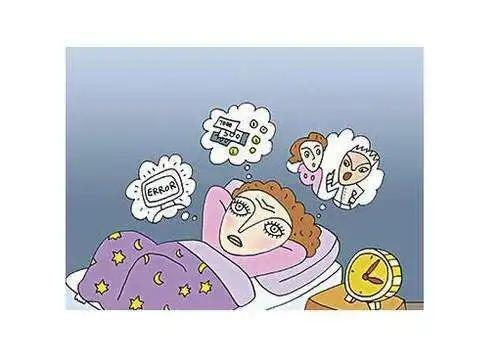
What Factors Affect The sSleep Cycle?
In life, although we aim to maintain good sleep, it can be challenging for those experiencingphysical, psychological, or lifestyle changes to get a good night's rest. The following
1. Age: As we age, sleep problems may arise due to various factors. The circadian rhythmchanges, the number of nighttime awakenings increases, and deep sleep durationsignificantly decreases. You may find yourself waking up earlier, with a flattenedcircadian rhythm, leading to weaker sleep-wake signals and more frequent awakenings.
2. sleep Disorders: Conditions like insomnia, sleep apnea, and restless legs syndrome candisrupt the sleep cycle, leading to poor sleep quality and negatively impacting health.
3. Health Status: Certain health conditions, such as cardiovascular diseases like coronaryartery disease and heart disease, as well as obesity, can negatively affect sleep.
Emotional Disorders: Emotional management is a key factor in sleep quality. lssues like
Emotional Disorders: Emotional management is a key factor in sleep quality. lssues like
4.life stress and depression can make it difficult to sleep at night, resulting in poor sleepquality.
5. Lifestyle: Jobs that require a reversal of day and night schedules can disrupt the body'scircadian rhythm, affecting sleep quality and making it hard to fall asleep. Excessivealcohol consumption and caffeine intake can also significantly impact sleep quality.
6. Electronic Devices: Many people use their phones before bed, which can overstimulatethe brain and make it difficult to fall asleep. Additionally, the blue light emitted byphones can mimic sunlight, further sti' 'ating the brain and hindering sleep.
Can a Sauna Improve Sleep?

Sauna heat therapy offers numerous benefits that can promote better sleep. When we relax in a sauna, the heat helps to ease tense muscles and improve blood circulation. This not only allows nutrients and oxygen to be more effectively transported throughout the body, aiding in faster recovery, but also enhances cardiovascular function. The heat also causes the pores to open, leading to increased sweating, which helps to expel accumulated toxins from the body, promoting overall well-being. Additionally, heat stimulation triggers the release of "endorphins," which are associated with positive and happy emotions. Most importantly, a sauna can relieve both physical fatigue and stress, helping to calm the mind. This relaxation method can make it easier to fall asleep at night, thereby supporting the natural secretion of melatonin and fostering a healthier sleep pattern.
Moreover, after using the sauna, the body’s temperature gradually cools down. This cooling sends a signal to the brain that it’s time to sleep, helping you enter a deeper sleep stage. Better sleep quality is linked to smoother muscle function and hormone secretion. For those with irregular work schedules or jet lag, using a sauna can indirectly support the natural melatonin secretion cycle, making it easier to fall asleep.
In summary, while a sauna cannot directly increase melatonin secretion, it relaxes the body and mind. The benefits of using a sauna, such as improving sleep quality and regulating the biological clock, can indirectly promote the natural secretion of melatonin, thereby improving sleep and contributing to overall physical and mental health
How can you integrate a sauna into your daily life?
If you haven't used a sauna yet, you can schedule a few sauna sessions each week or use a sauna as a recovery method after exercise, based on your schedule. If you want to save on long-term costs, consider investing in a home sauna to enjoy the health and relaxation benefits anytime and anywhere, leading to improved sleep.
You can contact us at Alphasauna. As a sauna supplier, we offer a variety of saunas suitable for home use, whether outdoor or indoor. Just let us know your needs, and we will do our best to address your concerns, enhancing your sauna experience and overall quality of life.
Other Ways To Improve Sleep Quality
1. lmprove Diet: Avoid being too full or too hungry before bed, and limit the intake ofnicotine, caffeine, and alcohol, as these can interfere with sleep and affect its quality.
2. Quiet Environment: Too much light at night can make it difficult to fall asleep, so avoidwatching glowing screens before bed. Keep the room fresh and quiet to maintain acomfortable and peaceful sleeping environment.
3. Sleep Less During the Day: Limit naps to no more than 30 minutes and avoid nappingtoo late in the day. Sleeping too long during the day can affect the quality of sleep andmake it harder to fall asleep at night.
4. increase Exercise: Regular physical exercise can promote better sleep, but avoid beingtoo active right before bedtime.
2. Quiet Environment: Too much light at night can make it difficult to fall asleep, so avoidwatching glowing screens before bed. Keep the room fresh and quiet to maintain acomfortable and peaceful sleeping environment.
3. Sleep Less During the Day: Limit naps to no more than 30 minutes and avoid nappingtoo late in the day. Sleeping too long during the day can affect the quality of sleep andmake it harder to fall asleep at night.
4. increase Exercise: Regular physical exercise can promote better sleep, but avoid beingtoo active right before bedtime.
Sleep quality can be improved by various methods, but if you experience other symptoms.please consult a healthcare professional to identify and address the underlying causes forbetter sleep quality.
Why choose a barrel sauna?
Related Article
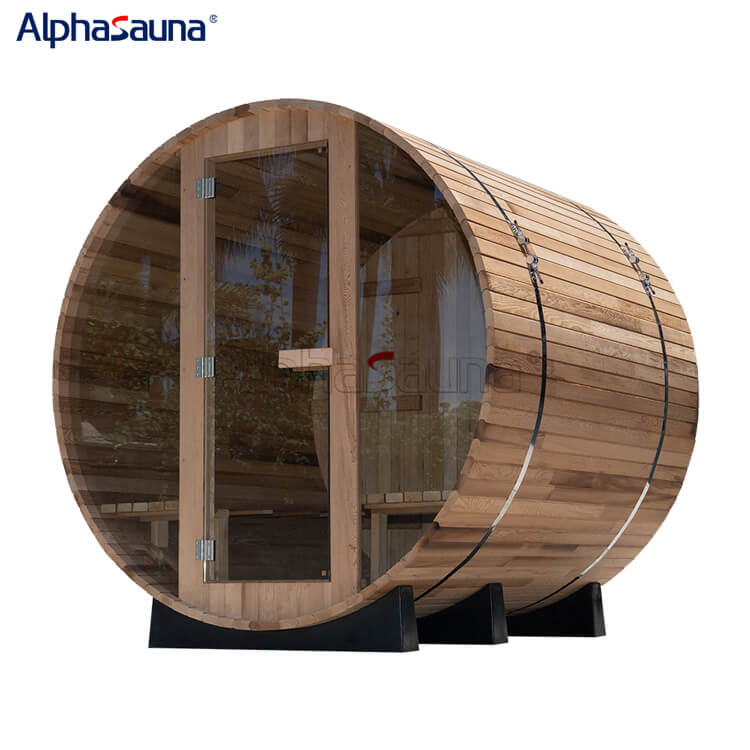
Choosing a good sauna not only enhances your comfort but also boosts your happiness during the sauna experience. This is why Alphasauna prefers the barrel sauna design. Read on to learn everything about this sauna design and the differences between barrel saunas and square saunas!
Why choose a barrel sauna?

People have been exploring various methods to extend their lifespan and slow down the aging process. Scientific research suggests that regular sauna use is closely linked to longevity and overall health. Read on to learn more.
Unlocking the link between saunas and longevity
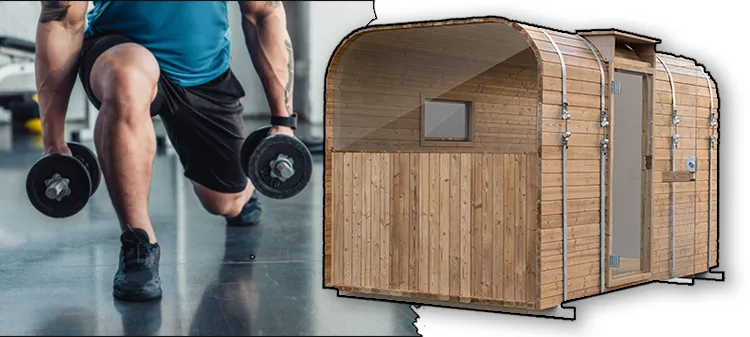
Although saunas are often used for daily health and relaxation, many athletes find that using a sauna can help them rejuvenate. You might wonder whether it's better to use a sauna before or after exercise. Don't worry—our dedicated team at Alphasauna will explain it to you in detail.
Why do athletes choose saunas for recovery?