


Can You Put Epsom Salt In An Ice Bath?
author: Jyichun
2024-02-22
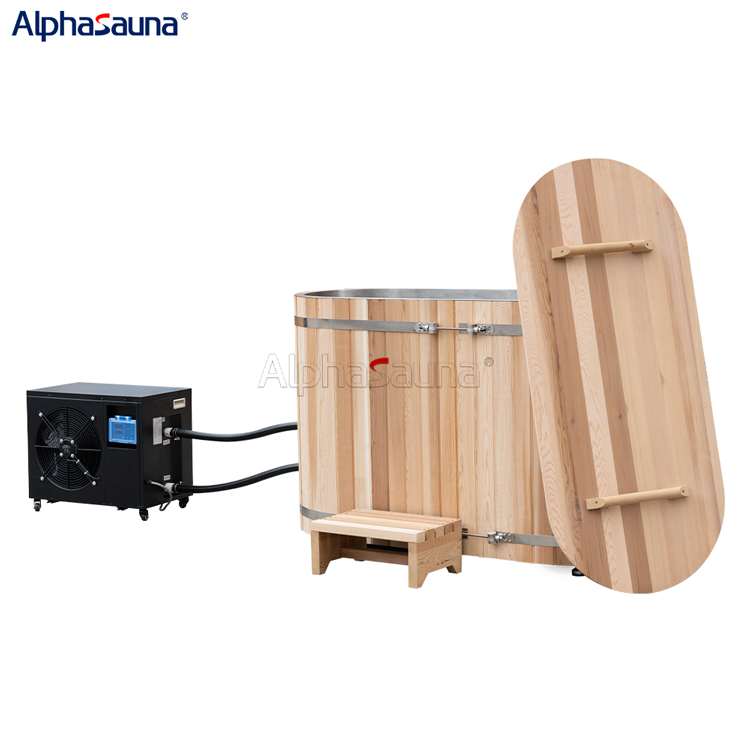
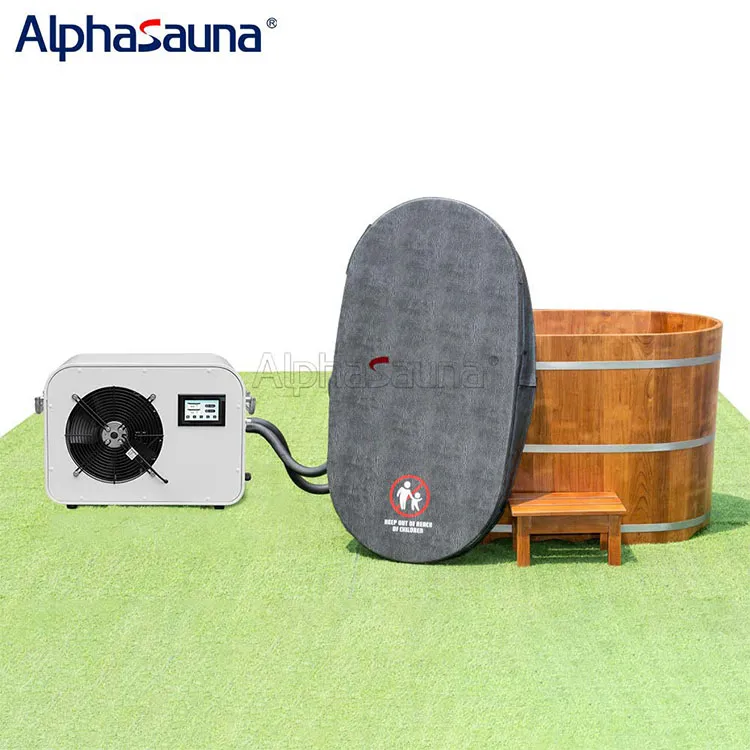
As early as ancient times, people discovered that immersing oneself in ice water could bring relaxation to the body. Over time, they found many benefits of ice water for the body, such as promoting blood circulation, relieving muscle pain, alleviating fatigue, and boosting immunity. With the increasing awareness of health, people's pursuit of health and physical recovery has continued to grow. Especially for athletes and health enthusiasts, ice baths are a quick way to recover the body. Meanwhile, some have combined saunas with ice baths, bringing a dual experience of body and mind through the alternation of hot and cold. This unique experience attracts more and more people to try it. Sauna and ice baths have become popular health methods, with saunas allowing people to stretch their muscles and ice baths adding a new challenge to this experience. Although ice baths can bring many benefits, there are also certain risks involved, requiring us to be cautious when taking ice baths. Let's explore and study ice baths together next!
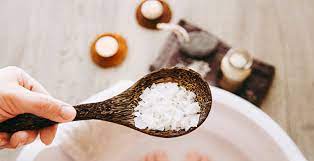
In general, Epsom salt is not commonly used in ice baths. Epsom salt is primarily used to treat constipation or for intestinal cleansing, typically administered orally. Ice baths, on the other hand, involve soaking in ice water to promote muscle recovery and reduce fatigue. Some Epsom salt is also used in hot baths, where it is dissolved in hot water for soaking, aiding in fatigue relief and relaxation. Adding Epsom salt to ice baths may not yield the desired effects because Epsom salt does not dissolve completely in cold water and is typically used in the context of hot water soaking. If seeking to enhance the effects of an ice bath, other ingredients like peppermint essential oil or bath salts can be added for a more comfortable experience. If considering adding Epsom salt to the water, it's advisable to add a small amount and test it in the ice bath first to ensure it meets your expectations. Consulting a doctor before proceeding is recommended to ensure safety and suitability. To maintain the safety and effectiveness of the ice bath, it's best to stick to adding only plain water or ice cubes and avoid adding other chemical substances or medications, which could lead to skin irritation or other adverse reactions.
Maintaining the coldness of water in an ice bath, although extremely low in temperature, is crucial for its effectiveness. Here are several methods to keep the ice bath cold:
1. Using Sufficient Ice or Cold Water: Add a large amount of ice or cold water to the tub to ensure the water temperature stays within the desired range. If the water starts to warm up, more ice can be added to maintain the temperature and prolong the effectiveness of the ice bath.
2. Regular Addition and Stirring of Ice: During the ice bath, it's important to regularly add ice to maintain the water temperature. Adjust the amount of ice added based on changes in water temperature and personal preferences. Stirring the water bath regularly also helps distribute the ice evenly to prevent temperature rise.
3. Control Room Temperature: Place the ice bath in a cool indoor environment as much as possible to avoid direct sunlight or high temperatures. Keeping the indoor temperature relatively stable helps prevent ice from melting too quickly.
4. Maintaining the Sealing of the Ice Bath: If using a bucket or basin for the ice bath, ensure it has good sealing to minimize heat exchange. Using towels or other insulating materials around the lid or bucket can help prevent heat from entering the ice bath and affect its effectiveness.
5. Avoiding Direct Sunlight: If opting for an outdoor ice bath, try to avoid direct sunlight to prevent gradual temperature rise in the ice bath water, which could affect its effectiveness. Choose a shaded area for the ice bath or use tools like tents or parasols.
6. Using Cooling Equipment: Place cooling devices such as fans or air conditioners around the ice bath to help maintain the indoor temperature and accelerate the cooling of the water.
7. Completing the Ice Bath Quickly: Minimize the time spent in the ice bath to prevent temperature rise and reduce its effectiveness. After finishing the ice bath, immediately dry off with a towel and put on clothing.
These are some methods for keeping the ice bath cold, and the specifics depend on individual physiology, habits, and needs. Through effective maintenance of the coldness in the ice bath, it becomes more comfortable and beneficial.
Taking an ice bath primarily involves stimulating the body's response through extreme ice water. If you're taking ice baths in the summer, it's essential to maintain the water temperature. Using ice baths in the summer while keeping cool can be quite challenging and may require some additional considerations and measures. Here are some suggestions:
Increase the quantity of ice: In the scorching summer, temperatures are exceptionally high, causing the water temperature to rise more quickly. Therefore, it's necessary to increase the quantity of ice or use larger ice blocks to ensure that the water temperature of the ice bath stays within the ideal range.
Choose the right time: Try to take your ice bath earlier or later in the day, avoiding it around noon. This time is when the sun is at its hottest, significantly impacting the water temperature of the ice bath. Opting for a dip during sunset or sunrise can effectively reduce the influence of ambient temperature on the water temperature of the ice bath.
Select a shaded area: When using ice baths in the summer, try to choose a shaded area. Stay away from direct sunlight by opting for indoors, under tree shade, or within a shelter. Avoid direct exposure to sunlight to prevent the sun's heat from accelerating the rise in water temperature in the ice bath.
Change the ice promptly: Ice needs to be replaced promptly to maintain the water temperature within the required range. Especially in the hot summer, ice melts faster, necessitating more frequent replacement and timely addition of ice. Always keep an eye on the state of the ice, especially in summer when ice melts quickly. Failing to replace the ice promptly can quickly lead to a rise in water temperature, affecting the effectiveness of the ice bath.
Ensure ventilation: When using ice baths in the summer, ensure adequate ventilation. Opening doors and windows to facilitate airflow can help keep the ice bath cool. Without proper ventilation, stagnant air and excessive heat in the space can lead to a rise in water temperature or discomfort for the body.
Increase the depth of the ice bath: The deeper the ice bath, the better its insulation effect. Deeper water can better absorb and retain water temperature, thereby slowing down the rate of temperature rise.
These are some suggestions for using ice baths in the summer. Only by using ice baths correctly can their effects be more pronounced. Through these methods, you can stay cool while using ice baths in the summer and enjoy their comfort and recovery benefits. Ice baths are a soulful experience of relaxation for both body and mind.

Regardless of whether ice baths are taken before or after exercise, they each have their benefits. The specific choice depends on individual health conditions, habits, needs, and preferences. Here are some benefits of ice baths before and after exercise:
Benefits of Ice Baths Before Exercise:
1. Alleviate Muscle Pain: Ice baths can alleviate muscle pain. Taking an ice bath before exercising can prepare the body for subsequent workouts, reducing the likelihood of muscle soreness and injury and improving athletic performance.
2. Improve Body State: Ice baths can induce a state of alertness and invigoration, providing an optimal condition for subsequent workouts and enhancing physical readiness.
3. Reduce Injury Risk: Ice baths can slow down muscle metabolism, reducing the risk of injury during exercise and lowering the risk of strains.
4. Enhance Blood Circulation: Ice baths promote blood circulation, providing a sense of alertness and invigoration, thereby enhancing training motivation and performance.
Benefits of Ice Baths After Exercise:
1. Reduce Muscle Fatigue: Taking an ice bath after exercise can help alleviate muscle fatigue and promote quick muscle recovery.
2. Alleviate Inflammation and Swelling: Ice baths help reduce post-exercise inflammation and swelling, accelerating muscle repair and recovery and promoting a relaxed state.
3. Facilitate Body Recovery: Ice baths after exercise help alleviate muscle pain and fatigue, promoting rapid body recovery.
Overall, whether ice baths are taken before or after exercise, they each have their benefits. The choice can be made based on individual circumstances and needs. Most people prefer ice baths after exercise, as it aids in muscle recovery, relieve fatigue, and reduces post-workout exhaustion. Some individuals may prefer ice baths before exercise to reduce injury risk and enhance performance and vitality. Regardless of the timing of ice baths, it is essential to stay hydrated to ensure proper body recovery and replenishment.

The optimal timing for ice baths depends on individual factors such as one's physical health, preferences, and needs. Here are several time frames that are suitable for ice baths:
After Exercise: Many individuals choose to take ice baths after exercising, especially athletes and fitness enthusiasts. Ice baths help alleviate muscle fatigue, relieve muscle soreness, and promote muscle recovery. Taking an ice bath after exercise can reduce inflammation in the body and minimize muscle damage and swelling.
Before Competitions or Training: Some athletes take ice baths before competitions to reduce muscle pain and prevent injuries, ensuring they enter the competition in a better condition. Ice baths provide athletes with physical and mental preparation, enabling them to reach their peak performance levels faster.
Morning or Evening: Taking an ice bath in the morning can help refresh and awaken the mind, allowing individuals to start their day feeling rejuvenated. Continuing ice baths in the evening can alleviate fatigue, relax the body and mind, and improve sleep quality, aiding in better sleep.
In High-Temperature Environments: In hot weather or high-temperature environments, ice baths can help lower body temperature and assist in body recovery and relaxation.
Overall, the best time for ice baths varies from person to person and can be chosen based on individual preferences, needs, and habits. Regardless of the timing, it's essential to prepare in advance, understand, and follow the guidelines for using ice baths to ensure better results and safety.
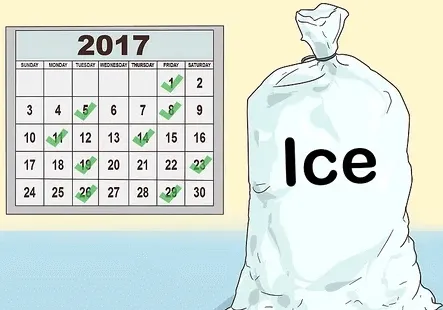
Summary
Ice bath is a therapeutic method that involves immersing the body in cold water to achieve health and recovery effects. As an ancient and classic therapy, ice baths not only have a profound history but also hold significant cultural importance. With people's increasing pursuit of health, ice baths are becoming widely recognized and applied. Although ice baths offer numerous benefits, careful consideration is necessary before engaging in them. It's essential to choose an appropriate time based on one's health condition, personal sensations, and individual needs. Only through proper selection and arrangement can optimal health effects be achieved.
Ice Bath Value For Money.
Do Ice Baths Burn Calories?
Related Article
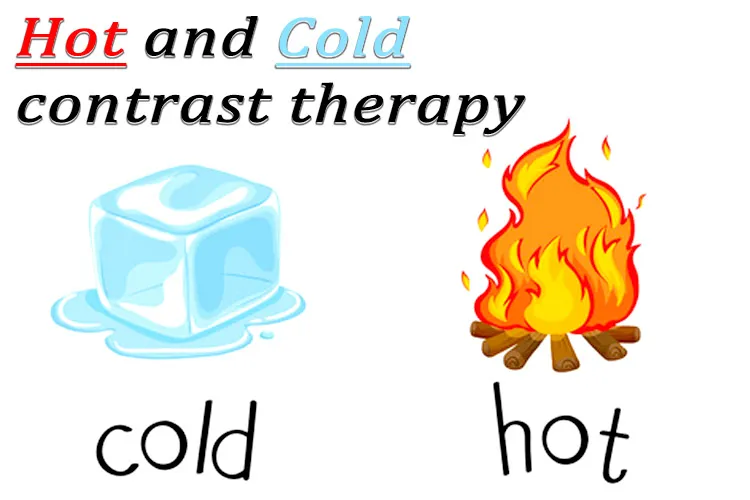
Both hot 、 ice baths can bring health benefits. What effect can be achieved by combining them? How does the alternating hot and cold shock feel to the body?
Take advantage of hot and cold contrast therapy
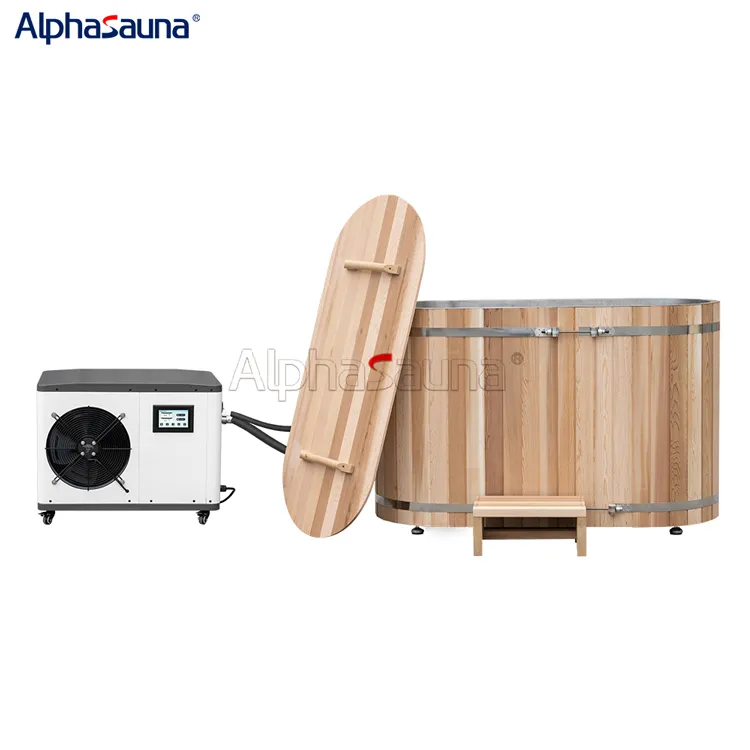
Are you interested in taking on the ice bath challenge? This guide explores different types of ice baths, their benefits, a beginner's guide to purchasing an ice bath, and much more. Join us and dive into the world of cold therapy!
Ice bath:A Must-Have Buying Guide for Beginners"
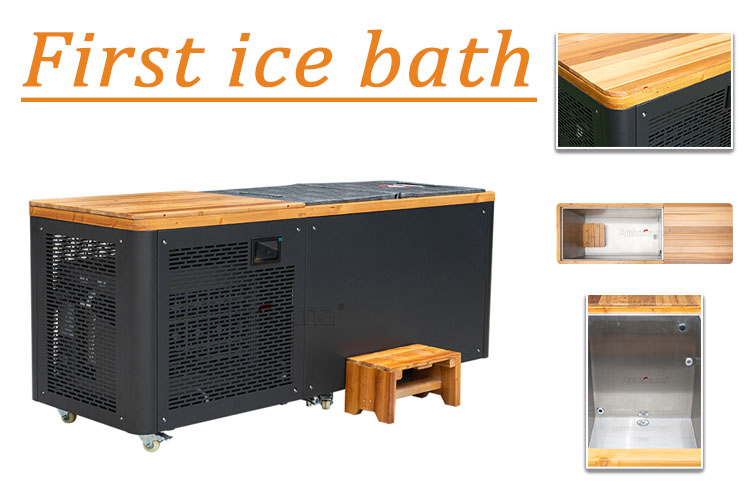
Taking an ice bath for the first time is a thrilling and exciting adventure, as the chill sweeps over you and puts your body on alert. For those of you who have no prior experience, you should acquaint yourselves with the pertinent knowledge regarding ice baths. The theme of this issue is "How long should you stay in your first ice bath?"
How long should a novice stay in the ice bath for the first time?
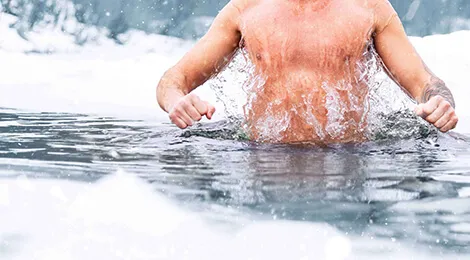
If you're health-conscious, whether you're a novice or a seasoned fitness aficionado, you likely have various approaches to enhancing your physical well-being. However, have you ever considered the benefits and precautions of both ice baths and hot water baths? In this edition, we'll delve into the nuances of ice bathing, exploring its health implications and essential considerations.
Should I take a hot shower after an ice bath?