Do Ice Baths Burn Calories?
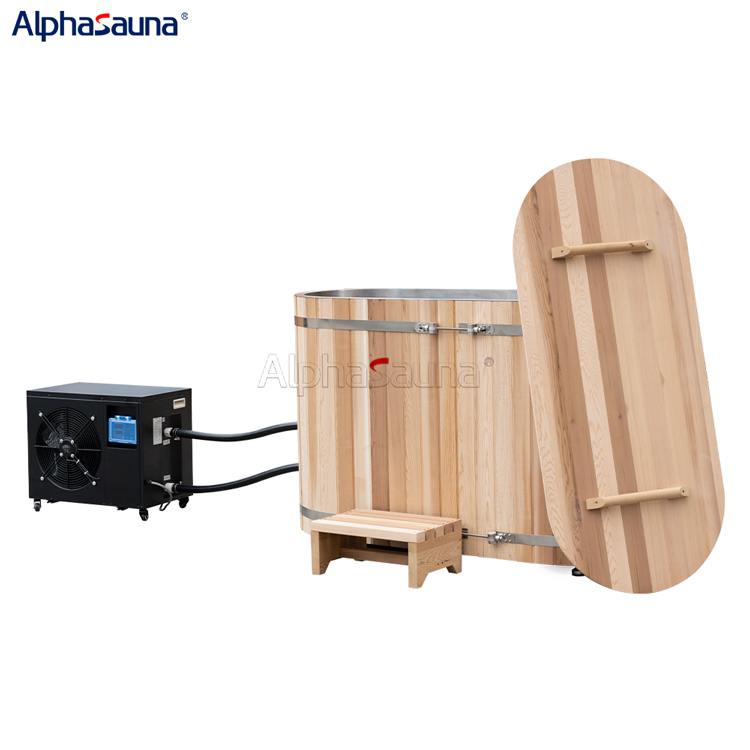
Do ice baths burn calories?
Sauna and ice baths both have a long history and are traditional cultural therapies for health. Sauna is considered a traditional culture in many Nordic countries and has become an indispensable part of people's lives. Ice baths have been discovered since ancient times, when people found that ice water could bring various benefits to the body, such as relieving muscle pain, promoting blood circulation, and purifying the body. For athletes and health enthusiasts, ice baths are an excellent way to accelerate physical recovery after exercise. Sauna and ice baths are often seen as contrasting therapies because their therapies are opposed in temperature. The sauna room affects the body through high temperatures, while the ice bath affects the body through extremely low temperatures. Some people also combine these two therapies, first experiencing the high-temperature environment of the sauna room, then immediately immersing themselves in ice water, which is believed to produce significant physiological effects. It can promote blood circulation, stimulate the immune system, relieve muscle pain, and accelerate recovery. With the increasing awareness of health and the continuous in-depth scientific research on health and thermal therapy, people have gained a deeper understanding of the physiological effects of saunas and ice baths. Scientific studies have confirmed the positive effects of sauna and ice baths on cardiovascular health, immune system, muscle recovery, and cardiovascular system. Although sauna and ice baths are two completely different thermal therapies, they have a similar development history and common ground in the fields of health and leisure. Their development trajectories reflect the continuous pursuit of people's health and relaxation needs and also reflect the importance attached by researchers to health concepts. As ice baths become increasingly popular, more and more people have questions about them. Next, let's learn about ice baths and answer corresponding questions together.

Do ice baths burn calories?
Ice baths, like saunas, cannot be directly used as exercise or activity methods to burn calories. Ice baths may indirectly help burn calories, but their effectiveness may be relatively limited. In ice baths, the body's temperature gradually decreases as it is immersed in ice water, requiring more energy to maintain body temperature, which may lead to some calorie consumption. Additionally, as the body gradually returns to its normal temperature, the metabolic rate may increase, further promoting calorie consumption. Here are several ways in which ice baths may help burn calories:
1. Activating metabolism: Immersing in ice water during an ice bath triggers various bodily reactions to maintain a stable body temperature, thus accelerating metabolism and consuming more energy. Although the energy consumed is minimal, over the long term, it still has an impact on calorie consumption.
2. Muscle recovery: Many individuals use ice baths to accelerate muscle recovery after exercise or intense training. During the recovery process, the body requires energy to repair and rebuild muscle tissue, thereby potentially consuming additional calories.
3. Body adaptation: Regular ice baths can strengthen our willpower, enhance the body's adaptation to cold, and promote the activity of brown adipose tissue, a special type of fat tissue that can help burn more calories to generate heat.
Although ice baths have some impact on calorie consumption, compared to other forms of exercise, calorie expenditure during ice baths is typically relatively low. If the goal is to burn calories for weight loss, it is best to use effective and scientifically proven methods such as aerobic exercise or strength training, as these activities directly increase heart rate, muscle activity, and energy expenditure. The primary purpose of ice baths is not weight loss or calorie burning, but rather to promote physical recovery, and blood circulation, enhance immunity, and strengthen willpower. If weight loss or calorie burning is your primary goal, more effective methods may involve controlling diet and engaging in appropriate aerobic exercise.
Is it safe to take ice baths while pregnant?
Pregnant women are generally not advised to engage in ice baths during pregnancy, as exposure to cold environments may have some effects on the body. Below are some potential risks that may arise:
1. Increased uterine muscle tension: Immersion in ice water during an ice bath may lead to uterine muscle contractions, which is unfavorable for pregnant women, especially in the early stages or in cases of potential pregnancy complications.
2. Impact on blood circulation: Ice baths may cause blood vessel constriction, restricting blood circulation, which may have adverse effects on blood supply to both the pregnant woman and the fetus.
3. Increased risk of infection: Ice baths, if not cleaned properly, may harbor bacteria or other substances, increasing the risk of infection. If the body has wounds or skin damage during an ice bath, it may increase the risk of infection and affect the pregnant woman's immune system, leading to adverse effects.
4. Excessive fatigue: The body of a pregnant woman is already coping with the growth of the fetus and other physiological changes. Exposure to cold environments may increase feelings of fatigue, which is very detrimental to pregnancy health.
During pregnancy, the body undergoes many changes, including blood circulation, temperature regulation, and others. Excessive exposure to extremely cold environments may increase some potential risks, such as increasing the risk of preterm birth or affecting fetal development. If pregnant women are very interested in ice baths, they should consult their doctor's advice beforehand and engage in ice baths under the supervision of experienced individuals to prevent accidents. Generally, doctors will recommend pregnant women choose gentler and safer ways to exercise and relax, such as prenatal yoga and gentle water activities.
When is the best time to take an ice bath?
The best time for taking an ice bath varies from person to person, as each individual's optimal moment is different and depends on their health condition, lifestyle, and purpose. Generally, the following periods are considered suitable for taking ice baths:
1. Morning: Taking an ice bath in the morning can quickly wake up our brain and body, boost energy levels, and mentally prepare us for the day ahead, leaving us feeling refreshed and revitalized.
2. After exercise: Many athletes and health enthusiasts choose to take ice baths after their workouts. Taking an ice bath after exercise can help reduce muscle fatigue, promote blood circulation, aid in muscle recovery, and accelerate recovery time. It can also alleviate muscle soreness and inflammation, enhancing the body's adaptability.
3. Stress relief: For some individuals, ice baths can help alleviate stress and tension. Taking an ice bath when feeling stressed or anxious can relax the body and mind, improving emotional well-being.
4. Before bedtime: Taking an ice bath before bedtime can promote better sleep quality by lowering the body's temperature and facilitating relaxation and sleep.
Overall, regardless of the time of day, it's important to decide when to take an ice bath based on one's body condition and needs, and it's advisable to consult a doctor beforehand, especially for individuals with cardiovascular diseases or other health issues. Additionally, attention should be paid to the duration and temperature of the ice bath to avoid discomfort or injury.
How many calories do you burn in an ice bath?
The number of calories burned in an ice bath varies depending on individual characteristics, and typically, it is relatively low. Ice baths do not directly burn calories. When the body is exposed to extremely cold water, it expends additional energy to maintain body temperature, but this expenditure is relatively minor. The following are factors that determine the calorie expenditure:
1. Individual characteristics: Each person's body composition, mass, metabolism rate, and energy for temperature regulation are different, all of which affect energy expenditure.
2. Duration of the ice bath: The length of time spent in an ice bath also affects calorie burning. The longer the duration of the ice bath, the more energy is expended, which may increase the number of calories burned.
3. Water temperature: The temperature of the ice bath also influences calorie burning. Lower water temperatures require more energy to maintain body temperature, potentially increasing calorie burning.
4. Personal experience and adaptation: For individuals who quickly adapt to the water temperature in ice baths, the body's response to cold may be reduced, resulting in less energy expenditure.
In summary, ice baths are not a direct method for burning a significant number of calories. In contrast, more active exercises such as aerobic exercise or strength training are more effective for calorie burning. If your goal is weight loss or calorie burning, it is recommended to use more scientific and faster methods. The primary purpose of ice baths is generally to restore physical health, relax the body and mind, alleviate muscle pain, and promote overall well-being.
Is a cold shower as good as an ice bath?
While cold water showers and ice baths both involve exposure to cold water, they differ in temperature, duration, and their effects on the body, leading to varying outcomes. Here are the similarities and differences between cold water showers and ice baths:
Similarities:
1. Promoting blood circulation: Both cold water showers and ice baths can enhance blood circulation by causing blood vessel constriction due to exposure to cold water. Upon completion, as the body temperature increases, blood vessels dilate, aiding in improved blood flow.
2. Reducing inflammation: Both cold water showers and ice baths have a certain degree of effectiveness in reducing inflammation, as cold water can decrease tissue blood flow, reducing localized inflammation.
3. Boosting immunity: Both cold water showers and ice baths can enhance the immune system's capabilities. Exposure to cold water may induce stress responses in the body, thereby strengthening the immune system.
Differences:
1. Temperature: Ice baths have lower temperatures, typically approaching zero degrees Celsius, while cold water showers, although cold, do not reach freezing temperatures, making them relatively easier for the body to adapt to.
2. Duration: Ice baths usually last longer, ranging from several minutes to over ten minutes, whereas cold water showers can be more flexible in duration, depending on personal preferences and tolerance levels.
3. Intensity: Ice baths involve lower temperatures, approaching freezing, resulting in a relatively higher level of stimulation for the body, while cold water showers are relatively milder, with shorter durations, making them easier to tolerate. For those trying these therapies for the first time, it is recommended to start with cold water showers before progressing to ice baths.
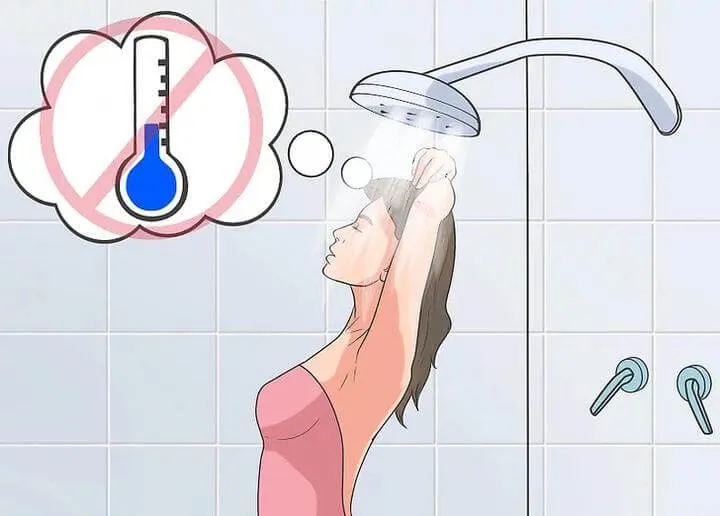
In summary, cold water showers and ice baths offer similar benefits, primarily depending on individual preferences, tolerance, and physical condition. Generally, cold water showers may be more suitable for daily recovery or stimulating circulation, while ice baths are better suited for post-intensive training recovery for athletes or as part of a physical challenge.
In this article on ice baths, we have explored the benefits and potential risks associated with them. Ice baths are not only a form of physical exercise but also a challenge and adventure for the mind. Immersed in the icy water of an ice bath, we not only alleviate muscle fatigue and pain but also strengthen our inner resilience and determination. Ice baths push us to challenge ourselves, overcome fear, and rediscover the vitality and strength of life. Ice baths are not just a way to stay fit but also a way of life.
Can You Put Epsom Salt In An Ice Bath?
What Are The Benefits Of Ice Baths?
Related Article