Do Ice Baths Help You Lose Weight?

Do ice baths help you lose weight?
Ice baths originated as an ancient therapeutic technique, where people discovered that immersing the body in cold water or ice could alleviate pain and muscle tension, thus giving rise to ice baths. As far back as ancient times, both the ancient Greeks and Romans commonly used cold water baths as a form of physical training. It is said that the Spartan warriors of ancient Greece frequently took ice baths to train their bodies and enhance endurance. At that time, people believed that ice baths helped in recovering strength and fortifying the body. Scientific studies have shown that ice baths can reduce muscle inflammation by lowering the body's temperature, thereby alleviating pain and muscle soreness. The origin of ice baths can be traced back to ancient cultures, where they were popular and beloved for their ability to relieve pain, alleviate muscle fatigue, and promote physical recovery. Ice baths continue to be widely utilized in modern health practices, with an increasing number of studies exploring their potential additional benefits. In Nordic countries, particularly in Finland, Sweden, and Norway, cold water baths are regarded as a tradition.
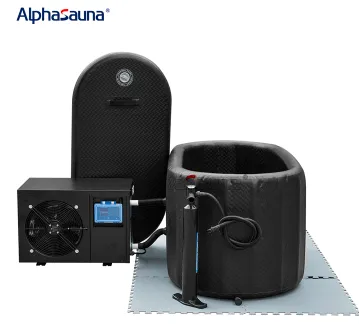
Do ice baths help you lose weight?
Ice baths primarily work by regulating body temperature, stimulating metabolism, and thus promoting fat burning, which may have some impact on weight loss. Ice baths may provide some help with weight loss, but they do not directly promote fat burning. The effects of ice baths on fat may also vary from person to person. Here are the potential effects ice baths may have on weight loss:
Boosting metabolism: During ice baths, the surrounding temperature is extremely low, causing the body to generate more heat to maintain body temperature, which can increase the metabolic rate and potentially lead to energy expenditure.
Relieving muscle fatigue: Ice baths can alleviate post-exercise muscle pain and fatigue, which may encourage you to engage in more physical activity, thus promoting weight loss.
Improving blood circulation: Ice baths may promote blood circulation, increase blood flow, and aid in detoxification and waste removal during the weight loss process.
Increasing energy expenditure: Although ice baths do not consume a significant amount of energy during the bath itself, the body expends energy when returning to its normal temperature after the bath.
While ice baths may have some impact on weight loss, the effects vary from person to person. Moreover, this is not a sustainable weight loss method and may not be suitable for everyone. If you're serious about losing weight, it's advisable to use scientifically proven and effective methods, such as healthy eating and moderate exercise, combined with good sleep and stress management techniques. Weight loss should be approached as a comprehensive plan, including healthy eating, moderate exercise, and good lifestyle habits. If you're considering using ice baths for weight loss, it's recommended to do so under the guidance of a doctor or a professional health expert, while paying attention to your body condition.

How many ice baths a week?
Ice baths are not necessary to be done every day, and too frequent ice baths can also have adverse effects on the body. Generally, it is appropriate to have ice baths one to three times a week, but the specific frequency of ice baths depends on factors such as individual health conditions, bodily reactions, and comfort levels. The frequency of ice baths can be adjusted based on the following factors:
1. Personal health condition: If you have chronic illnesses or health issues such as cardiovascular diseases, high blood pressure, or low blood pressure, it's advisable to consult a doctor before attempting ice baths to avoid exacerbating the condition.
2. Activity level: Ice baths may help relieve fatigue, relax muscles, and promote recovery. If you're an athlete or engage in high-intensity training, you may opt for two to three ice baths per week to aid muscle recovery and alleviate fatigue.
3. Individual response: Everyone responds differently to ice baths. Some may enjoy frequent ice baths without adverse effects on their bodies, while others may not adapt well to them. Excessive ice baths for those individuals might have negative effects.
4. Season and temperature: It's not recommended to have too frequent ice baths during cold weather to prevent the body from getting too cold. However, in hot weather, the body may tolerate ice baths better, allowing for more frequent sessions within the body's tolerance.
5. Personal preference: Preferences for ice baths vary among individuals. Some prefer to have ice baths once a week, while others may prefer them intermittently or even daily. It's essential to follow the advice of a doctor.
Generally, having ice baths one to three times a week may be an appropriate frequency. For beginners, it's recommended to start with one ice bath per week and gradually increase the frequency based on personal health conditions. Adjust the frequency based on individual health and comfort levels, and observe the body's response to ensure there are no discomforts or excessive fatigue. Most importantly, ensure that ice baths are part of a comprehensive health and exercise plan, combined with healthy eating, adequate sleep, and moderate exercise.
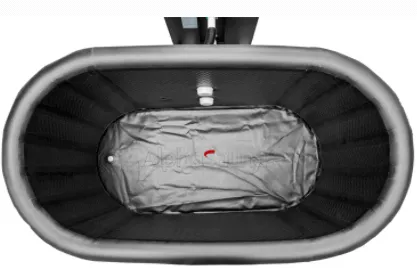
What to do after a ice bath?
After an ice bath, you can take some measures to promote body recovery and comfort. Here are some suggestions:
1. Slowly restore body temperature: After finishing the ice bath, do not immediately enter a hot bath or shower. Instead, gently pat dry your body with a towel and put on dry clothes to rest on the side. Avoid taking a hot shower immediately after the ice bath, as it may have adverse effects on the body.
2. Deep breathing: The temperature of the ice bath is extremely low, which can make people feel nervous or excited upon entering. Therefore, try to maintain deep breathing and a relaxed state. Deep breathing can help calm down and promote body recovery.
3. Hydrate: Ice baths may lead to dehydration, so it's essential to maintain hydration before and after the ice bath to prevent dehydration.
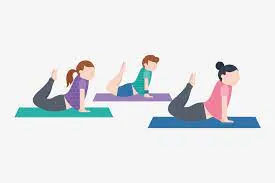
4. Stretching: After the ice bath, you can perform gentle stretching or massage to help muscles recover and relax, reduce muscle fatigue, and relieve soreness.
5. Rest and relax: After the ice bath, it's important to rest appropriately to allow the body to recover. Avoid prolonged standing and excessive activity.
6. Monitor body reactions: Pay attention to your body's condition during the ice bath. If you feel uncomfortable, seek help immediately or leave.
7. Develop habits: If you frequently take ice baths, you can ask a doctor or relevant personnel about activities to help your body recover after bathing. Then, develop these activities into habits to facilitate quick recovery after each ice bath.
The key after an ice bath is to slowly restore body temperature, hydrate, and engage in brief stretching to recover muscles and body. Taking gentle measures after an ice bath can promote body recovery and comfort, avoiding excessive burdens on the body.
How cold does an ice bath need to be?
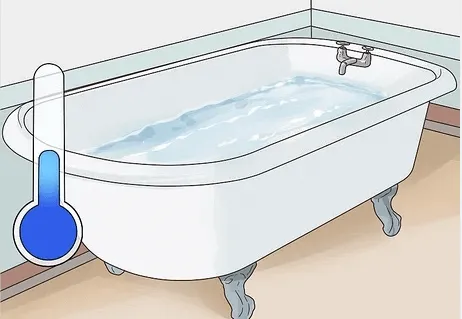
The temperature of an ice bath is typically lower than normal room temperature, but the specific temperature is influenced by individual preferences, health conditions, and environmental temperature. Generally, the temperature of an ice bath is usually below 10 degrees Celsius (50 degrees Fahrenheit), sometimes even lower. Here are some suggestions:
Around 10 degrees Celsius: Most people use this temperature for ice baths, as it provides a cooling effect that promotes body recovery and stimulates metabolism without being too extreme.
Lower temperatures: Some individuals prefer more intense stimulation and can tolerate lower temperatures, such as below 5 degrees Celsius. However, lower temperatures provide stronger stimulation and effects, requiring extra caution to avoid excessive cold exposure.
Personal health: The temperature of the ice bath should be adjusted based on individual health conditions and comfort levels. Individuals with cardiovascular diseases or other health issues are not recommended to take ice baths without consulting a doctor. Blindly taking ice baths is not advisable.
Purpose: The temperature of ice baths may vary depending on the purpose. Some may choose lower temperatures to enhance the effects of muscle and vascular constriction for better muscle recovery and fatigue reduction. It mainly depends on individual needs and body conditions.
It's important to note that the purpose of an ice bath is to stimulate body recovery and overall improvement, not to cause discomfort or excessive pain with low temperatures. Therefore, the temperature of the ice bath should be within a range that individuals can tolerate and feel comfortable with. If trying ice baths for the first time, it's recommended to start with a moderate temperature and gradually adjust it until you find a comfortable level. During ice baths, always monitor your body's condition. If you experience skin redness, stinging sensations, shallow breathing, or any discomfort, stop the ice bath immediately and continue warming up.
How long should i ice bath for?
The duration of an ice bath should be determined based on individual health conditions, comfort levels, goals, and needs. Generally, the time spent in an ice bath typically ranges from a few minutes to around fifteen minutes. Here are some suggestions regarding time:
For beginners: If you are trying ice baths for the first time, it's advisable to start with a shorter duration and gradually increase the time spent in the ice bath. Always monitor your body and leave immediately if you feel any discomfort.
For experienced individuals: Experienced individuals can typically endure longer ice bath durations, depending on their needs and tolerance levels. Some professional athletes or sports trainers may opt for longer ice bath sessions to aid muscle recovery and alleviate soreness.
Purpose: The effectiveness of ice baths varies depending on the purpose. If you're simply looking to experience the sensation of an ice bath, shorter durations may suffice. However, for muscle recovery purposes, longer durations are necessary to achieve desired effects.
Monitor body condition: Regardless of the duration, it's essential to continuously monitor your body's condition during the ice bath. If you experience any discomfort, stop immediately and rest in a comfortable environment.
Professional guidance: Under professional guidance, ice baths can be conducted more safely and effectively, maximizing the benefits of the experience.
The duration of an ice bath should be determined by the individual within their tolerable range. If unsure about the appropriate duration, it's advisable to seek guidance from professionals. Starting with shorter durations and gradually adjusting is also recommended.
Summary: The challenge brought by ice baths brings a sense of joy and clarity, as if finding a unique tranquility and awakening in the cold. Instantly feeling a clear stream in the ice bath, it washes away the fatigue and stress from the body. The cold of the ice bath brings an instant sense of exhilaration, allowing the body to relax completely. It allows people to experience the unique feeling of ice baths, shedding the fatigue of the day. Ice baths are not only a challenge but also a comprehensive relaxation experience. It not only brings satisfaction to our bodies but also strengthens our will. It encourages us to face the challenge of cold fearlessly, bravely challenge ourselves, and overcome ourselves. Ice baths bring not only a physical and mental challenge but also a baptism of the soul.
How Much Ice In An Ice Bath?
What is Cold Hot Therapy?
Related Article