How Much Ice In An Ice Bath?

How much ice in an ice bath?
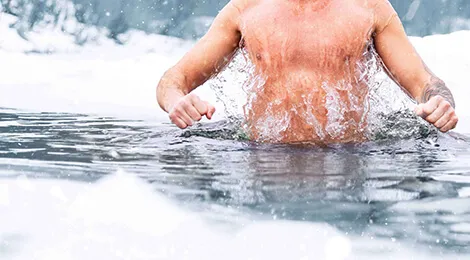
Ice bathing is a form of health therapy that involves immersing oneself in icy water, promoting blood circulation, alleviating muscle fatigue, relieving muscle soreness, and enhancing the immune system, among other effects. Many athletes and health enthusiasts use ice baths to expedite recovery and relieve muscle soreness after training and physical activity. The history of ice bathing dates back to ancient civilizations, when people recognized the benefits of cold water for the body. As early as ancient Greece, cold water baths were used to treat certain ailments and promote health. In modern times, ice bathing has become a common practice in sports training and rehabilitation. Ice baths help athletes recover faster from fatigue and muscle soreness, thereby improving their physical performance. In Nordic countries like Finland, Norway, and Sweden, ice bathing is a common practice, especially during the cold winter months. Finland, in particular, has a rich tradition of sauna bathing, followed by plunges into icy lakes, seen as a purification and invigorating experience for both body and mind. Sauna and ice bathing have become integral parts of their lifestyle and culture. With the growing awareness of health benefits, ice bathing is increasingly embraced as a part of a healthy lifestyle by more and more people. As ice bathing gains popularity, there is a growing interest in understanding its mysteries. Let's explore the secrets of ice bathing together.

With the increasing awareness of health consciousness, ice bathing is becoming increasingly popular among people. Ice bathing indeed offers numerous benefits to the body, especially for athletes and fitness enthusiasts. For them, ice bathing serves as a post-workout activity for self-recovery and relaxation, yet many people lack a deep understanding of its proper usage. While ice bathing can bring many benefits to our bodies, improper use can also pose health risks. Ice bathing is a form of health therapy, typically involving immersing the body in ice water to promote blood circulation, alleviate muscle fatigue, relieve muscle soreness, and enhance the immune system. It can constrict blood vessels, reduce muscle inflammation, and aid in rapid body and muscle recovery. Since ice bathing offers so many advantages, how can we use it correctly? Firstly, there is the common question: "How much ice in an ice bath?" There is no exact answer to this question. The amount of ice used in ice bathing typically depends on individual physical condition, adaptability, and personal preference. Some people are more sensitive to cold and prefer to use a small amount of ice, while others enjoy the stimulation of very cold water and use a large amount of ice. Generally, people can determine how much ice to use based on their preferences and desired effects. Typically, the water temperature in an ice bath is very low, usually below zero degrees Celsius, so sufficient ice is needed to maintain and achieve this temperature. However, there are also ice baths with water temperatures ranging from 10 to 15 degrees Celsius, and in such cases, a large amount of ice may not be necessary. Just a small amount of ice is needed to maintain the water temperature within this range. Some individuals even prefer not to add ice at all, believing that water near freezing temperature is sufficient without additional ice. Therefore, there is significant variation in the amount of ice used in ice baths, and different people have different temperature requirements for ice bathing. Generally, as long as the water temperature in the ice bath is maintained within a comfortable range, and not excessively low to cause discomfort or danger, adding ice serves to maintain the temperature of the water and produces various physical and psychological effects. However, the specific amount of ice used depends on individual preferences and habits. For those new to ice bathing, it is advisable to start with a small amount of ice or none at all to gauge their tolerance level. If any discomfort occurs, it is important to leave the ice bath immediately.
How to make an ice bath?
Ice bathing may seem simple, but it can be dangerous if not done properly. The temperature in an ice bath is particularly low, and blind ice bathing can lead to dangerous temperature differentials between the water and the body. Improper use can even result in bodily injury, so it's crucial to understand how to use ice baths properly. Ice bathing requires caution and adherence to correct procedures to ensure safety and optimal effectiveness. The following are the basic steps for ice bathing:
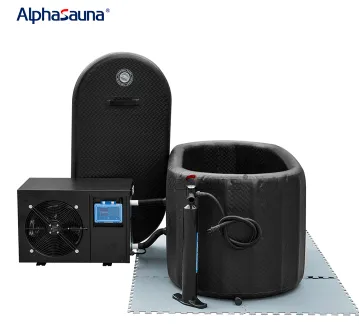
Prepare the ice bath: Prepare a sufficiently large container, such as a bathtub or bucket, to accommodate your body and fill it with cold water. However, be cautious in determining the water temperature to avoid it being too low and having adverse effects on the body.
Prepare water and ice: Prepare enough ice and water to ensure that the water temperature remains within your desired range. Typically around zero degrees Celsius, you can add ice and water as needed to maintain this temperature.
Set a duration: Before starting the ice bath, set a suitable duration for yourself. For beginners, it's advisable not to set too long a time, perhaps only a few minutes, gradually increasing the duration as you become more accustomed to it.
Protect the skin: Before entering the ice bath, apply some moisturizer or protective film to your skin to prevent irritation from the low water temperature. Prolonged immersion may also cause skin damage.
Enter the water slowly: Slowly immerse your body into the ice water, allowing it to gradually adjust to the temperature. Avoid directly sitting in the water, as entering slowly helps your body acclimatize to the temperature.
Maintain breathing: Shivering is common in ice water, so maintain steady breathing to relax the body and alleviate tension, helping to improve tolerance to cold water.
Exit the water: When ending the ice bath, slowly leave to avoid sudden temperature changes. If you feel any discomfort during the process, exit slowly.
Restore body temperature: After exiting the ice bath, immediately dry your body with a clean towel and put on warm clothing. You can also do some gentle stretching or mild activities to help the body recover, or simply stay in a warm room for a while.
Listen to your body: If you experience any discomfort during or after the ice bath, stop immediately and seek medical attention.
Stay hydrated and nourished: After the ice bath, ensure adequate hydration and consider eating nutrient-rich foods to replenish energy and nutrients.
Ice bathing is not suitable for everyone, especially those with heart conditions or other health issues. It's advisable to seek medical advice before considering ice bathing. For first-time ice bathers, it's best to have guidance from experienced individuals to ensure safety and proper usage.
How long to wait to shower after ice bath?
There is no clear research indicating that taking a shower immediately after an ice bath is wrong. Generally, the timing of showering after ice bathing can be determined based on personal preference, habits, and comfort levels. Showering immediately after an ice bath can help rinse off the cold water and aid in restoring body temperature. However, if the body feels like it is gradually recovering after the ice bath, it is acceptable to delay showering. When showering immediately after an ice bath, it's important to ensure that the water temperature is not too hot, preferably opting for a mild temperature. During the shower, one can choose to take a soothing warm water shower or soak in a warm water bath to gradually restore normal body temperature, but the duration of showering or soaking should not be too long. Additionally, it's important to avoid using water that is too hot, as excessive temperature differences may irritate the skin, which can be sensitive and fragile after an ice bath. When washing, it's also advisable to use mild bathing products to prevent drying out the skin.
In summary, the timing of showering after an ice bath can be determined based on personal feelings and needs. However, it's crucial to use mild and soothing water temperatures for rinsing and gentle cleansing products to avoid irritating the skin.

Are ice baths good when sick?
While ice baths can offer numerous benefits to the body and enhance immunity, it is not advisable to undergo ice bathing when you are ill. When you're sick, your immune system is already under stress, and your body needs a lot of energy to fight off the illness. In this situation, ice bathing may only exacerbate the body's burden and not provide any assistance. Immersing yourself in extremely cold ice water may have negative effects on your body, worsening the illness and prolonging recovery time. When you're sick, your body is in a weakened state, and the impact of cold water may lead to additional issues such as cold or fever symptoms. Furthermore, the immune system is compromised when you're ill, and continued ice bathing may further fatigue you and worsen your condition.
Therefore, it's best to avoid ice bathing when you're sick to prevent worsening the illness. Instead, opt for gentler and more effective methods to improve comfort and expedite recovery, such as staying hydrated, resting, keeping warm, appropriate medication, and following medical advice. If you have any other concerns, consult a doctor for advice to ensure taking healthy measures and avoid exacerbating the illness.
Are ice baths dangerous?
As ice baths gain popularity, more and more people continue to engage in them. However, some may worry about the safety aspect and ask, "Are ice baths dangerous?" It can be said that in general, they are safe, but due to various uncertainties, it's difficult to confirm the percentage of safety. There are potential risks, but overall, they are relatively safe. Here are some possible dangers and precautions:
Hypothermia: Prolonged exposure to extremely low temperatures can easily damage the skin, leading to frostbite and hypothermia. Skin and tissues are particularly vulnerable to damage with prolonged exposure and extremely low temperatures. For first-time ice bathers, it's crucial to control the duration and temperature and pay attention to the body's signals.
Cardiovascular issues: Ice baths may stress the cardiovascular system. Individuals with heart or blood pressure issues are at increased risk of cardiac strain, irregular heartbeat, or other cardiovascular events. Therefore, individuals with heart or vascular diseases should consult a doctor before engaging in ice baths to avoid worsening their condition.
Respiratory problems: Immersion in cold water can cause rapid or difficult breathing. If experiencing these symptoms, it's essential to stop the ice bath immediately.
Sudden symptoms: In extremely cold environments, the body may experience symptoms such as dizziness, nausea, or vomiting. If these symptoms occur, it's crucial to stop the ice bath immediately.
Infection risk: Ensure that ice bath equipment is clean, regularly cleaned, and disinfected to prevent the proliferation of bacteria or other pathogens, which could increase the risk of infection.
Overall, if one's health is good and ice baths are done correctly following safety guidelines, they are safe. However, individuals with cardiovascular diseases, children, pregnant women, or those with specific conditions should consult a doctor before engaging in ice baths to avoid adverse effects on their bodies.
Summary: In this article, we have delved into various precautions and benefits of ice baths. Ice bathing is a confrontation with cold and challenge, enhancing our courage. It is not merely a healthy practice but also an adventurous journey of the soul. Ice baths can boost our immune system, promote blood circulation, stimulate metabolism, alleviate fatigue, and reduce anxiety. However, it's essential to be mindful of the risks associated with ice baths, such as hypothermia, cardiovascular issues, and infection risks. Ice bathing brings us feelings of relaxation, joy, and revitalization, offering a new experience for our physical and mental well-being. Additionally, before engaging in ice baths, it's crucial to proceed with caution and follow safety guidelines to ensure safety.
What Are The Benefits Of Ice Baths?
Do Ice Baths Help You Lose Weight?
Related Article