What Are The Benefits Of Ice Baths?

What are the benefits of ice baths?
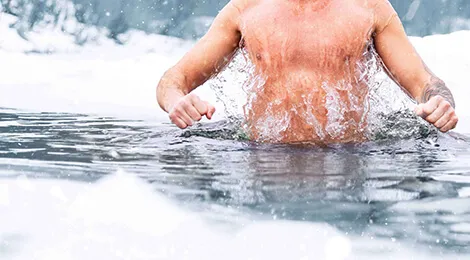
The origin of cold bathing can be traced back to ancient civilizations. Early humans discovered that immersing the body in cold water could bring about a certain degree of relief and therapeutic effects, giving rise to the practice of cold bathing. Cold bathing is a traditional health practice where people use cold water bodies for hydrotherapy or bathing. During cold seasons, individuals would immerse themselves in lakes or icy rivers to enhance immunity and promote blood circulation. Nowadays, research also suggests that cold bathing can alleviate muscle pain, reduce inflammation, boost immunity, and facilitate body recovery and restoration. The origins of cold bathing can be traced back to ancient civilizations and have evolved into various forms across different cultures. Modern individuals continue to use cold bathing as a health practice to promote physical and mental well-being. However, whether cold bathing truly offers these benefits and whether it has any other effects on the body are questions worth exploring. Let's delve into the mysteries of cold bathing together.

Are ice baths good for you?
As mentioned above, cold bathing can bring many benefits to the body, but it can also vary from person to person. It depends on individual factors such as constitution, and the effects of cold bathing may differ for different people. Below are some potential benefits that cold bathing may bring:
1. Promote blood circulation: Cold bathing can stimulate blood vessel constriction and dilation, thereby promoting blood circulation. This helps improve blood flow, enhance the efficiency of oxygen and nutrient delivery to various parts of the body, reduce the risk of arteriosclerosis, strengthen cardiovascular health, and improve heart health.
2. Alleviate fatigue: Cold bathing can reduce muscle fatigue and soreness. The low temperature of cold water can alleviate the inflammatory response of muscles, reduce pain, and promote rapid muscle recovery.
3. Boost immunity: Some studies suggest that cold bathing can increase the activity of the immune system, enhance its function, make the body more resistant, and reduce the risk of infection.
4. Relieve muscle pain: Cold bathing can alleviate muscle fatigue and soreness. Rapid changes in body temperature can reduce inflammation and damage to muscle tissue, aiding in muscle recovery and repair.
5. Improve mental health: Immersion in cold water can activate the body's natural stress response, releasing chemicals that contribute to mental health. It can bring a feeling of alertness and excitement, making the mindset younger, and some believe it can help combat depression.
6. Reduce anxiety and stress: The extremely low temperature of cold bathing may induce some physical and psychological reactions, making people feel relaxed, thereby reducing anxiety and stress. It brings a stimulating and relaxing experience.
7. Accelerate recovery: Cold bathing helps reduce muscle pain and swelling, thereby speeding up the body's recovery process. This is very beneficial for athletes and health enthusiasts.
8. Enhance willpower: Physically and psychologically, experiencing cold bathing requires a certain amount of willpower and endurance. If cold bathing is done regularly, it can cultivate personal willpower, increase tolerance to stress and discomfort, and enhance one's willpower.
It is worth noting that not everyone is suitable for cold bathing. Especially for those with cardiovascular diseases, hypertension, hypotension, heart problems, or other health issues, they should consult a doctor before cold bathing and do so under the guidance of a doctor. Especially if you have any health concerns or doubts. Also, ensure safety during cold bathing, control the time and water temperature, and avoid prolonged exposure to extreme temperatures to prevent adverse physical reactions.
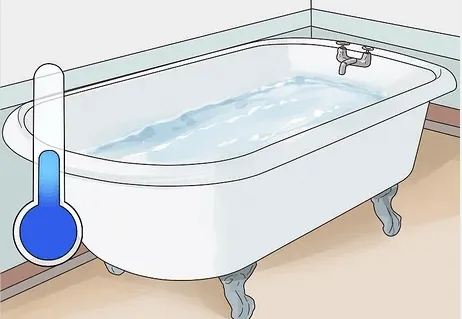
Are ice baths healthy?
Cold bathing is relatively safe under certain conditions, but there are also some considerations regarding the health effects of cold bathing:
Benefits:
1. Promotion of circulation: Cold bathing can stimulate blood circulation, thereby reducing muscle soreness and relieving fatigue.
2. Muscle recovery: Cold bathing can alleviate muscle pain and inflammation, promoting muscle recovery. It can also relieve muscle inflammation, improving overall comfort and functionality.
3. Boosting immunity: Some studies suggest that cold bathing can stimulate the immune system, enhancing immunity and the body's ability to fight infections and diseases.
4. Mental health: Cold bathing may bring a feeling of alertness and exhilaration, with some even considering it as a method to combat depression.
Risks:
1.Cardiovascular burden: Cold bathing may impose a certain burden on the cardiovascular system, particularly for individuals with heart problems or hypertension, potentially exacerbating their condition or increasing the risk of heart problems.
2. Low temperature: Prolonged exposure to excessive cold may lead to hypothermia, causing symptoms such as colds, fever, and even hypothermia symptoms like chills, fatigue, etc.
3. Breathing difficulties: The extremely low temperature of cold bathing may cause nervousness or extreme excitement, leading to rapid or shallow breathing. It may result in difficulty breathing or worsening asthma, especially for those with asthma or respiratory issues.
4.Skin issues: Prolonged immersion in ice water may cause skin dryness, irritation, or damage, especially for those with sensitive skin, who may benefit from applying gentle skincare products before cold bathing.
5. Psychological aspect: Cold bathing can bring excitement, but it can also cause anxiety and discomfort. Very cold water can induce feelings of anxiety and tension, especially for those sensitive to cold or with low psychological resistance.
Overall, cold bathing is healthy under certain conditions, but there are also risks and limitations. Careful consideration is necessary before attempting cold bathing, preferably under the guidance of professionals to avoid accidents. For individuals with cardiovascular diseases, muscle injuries, or other health issues, it's crucial to consult a doctor before continuing cold bathing to avoid worsening the condition or causing other health problems. Also, remember to replenish fluids and nutrients, as cold bathing can deplete significant amounts of water and nutrients from the body. After cold bathing, in addition to replenishing fluids, it's essential to consume nutrient-rich foods.

Why are ice baths good?
The popularity and appeal of cold bathing stem from its numerous benefits, especially for athletes and health enthusiasts. The advantageous effects of cold bathing result from a series of physiological responses it induces, leading to various health benefits. Here are some reasons why cold bathing is beneficial for health:
1. Promotion of circulation: In cold water, blood vessels rapidly constrict, helping to lower blood pressure and slow heart rate. Upon exiting the cold water, the body warms up, causing blood vessels to quickly dilate, promoting blood circulation. This process, known as the "vascular constriction-rebound response," aids in improving blood flow, enhancing oxygen and nutrient delivery, and contributing to cardiovascular health.
2. Muscle relaxation and recovery: Cold bathing can alleviate muscle fatigue and soreness, reducing post-exercise muscle soreness and facilitating quicker recovery. It is often used by athletes and health enthusiasts as part of their recovery regimen to expedite physical recovery.
3. Inflammation relief: Cold bathing can also reduce inflammatory responses, helping to alleviate joint pain and muscle inflammation. The low temperature of cold water decreases muscle temperature, reducing inflammation and injury, thus mitigating the pain associated with inflammation.
4. Immune system: Some studies suggest that exposure to cold water may stimulate the immune system's response, enhancing resistance to infections and diseases, thereby strengthening the body's immune function. Cold bathing may enhance the body's defense against illnesses.
5. Psychological aspect: Cold bathing may evoke a sense of alertness and exhilaration, inducing a state of excitement. Some even view it as a method to combat depression. The stimulation of the skin and overall sensation in cold water activates the body's natural stress response, releasing chemicals beneficial for mental health, such as endorphins and adrenaline.
6. Stress reduction: Cold bathing may elicit physical and psychological responses that promote relaxation of the body and mind. It brings about a feeling of relaxation and comfort, contributing to improved psychological well-being.
In summary, cold bathing exerts positive effects on the body through various mechanisms, including improving blood circulation, promoting muscle recovery, activating the immune system, and enhancing psychological well-being. While the benefits of cold bathing are numerous, it may not be suitable for everyone, thus caution is advised. Individuals with cardiovascular diseases or other health issues should consult with a doctor before engaging in cold bathing. It's essential to consider personal health conditions and comfort levels when deciding to partake in cold bathing.
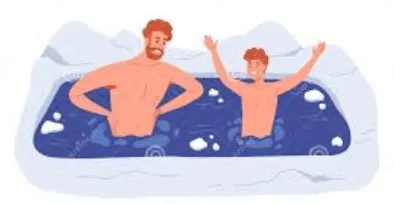
Are ice baths good for your heart?
Ice baths may have some positive effects on the heart, but they also come with certain risks. Therefore, patients with heart disease should choose with caution, and the effects of ice baths vary from person to person. Here are some potential effects ice baths may have on heart health:
Potential Benefits:
1. Promote cardiovascular health: Ice baths can promote blood vessel constriction and dilation, thereby enhancing blood circulation, improving cardiovascular health, and reducing the burden on the heart.
2. Lower heart rate: Ice baths may lead to a slower heart rate, reducing the workload of the heart and contributing to heart health.
3. Psychological stimulation: The extremely low temperature of ice baths can stimulate the brain, bringing a feeling of alertness and exhilaration, which may promote resistance to depression. This stimulating feeling can also benefit mental health and positively influence heart health.
Potential Risks:
1. Cardiovascular burden: Ice baths may impose a certain burden on the cardiovascular system. Immersion in ice-cold water may cause changes in heart rate and blood pressure. Rapid temperature changes coupled with blood vessel constriction and dilation may increase the risk to the heart.
2. Arrhythmias: Ice baths may lead to arrhythmias. If there are existing symptoms of arrhythmia or irregular heartbeat, ice baths may exacerbate severe arrhythmias.
3. Cold water stimulation: Immersion in ice-cold water may elicit intense bodily reactions. These reactions may adversely affect the heart and vascular system, potentially resulting in severe responses.
Overall, while ice baths may promote vascular health, lower blood pressure, and regulate heart rate, there are also many potential risks, especially for those with cardiovascular disease or other health issues. Therefore, before attempting ice baths, factors such as individual physical fitness and health status should be considered. It's best to consult a doctor for advice to ensure accuracy and safety during ice baths.
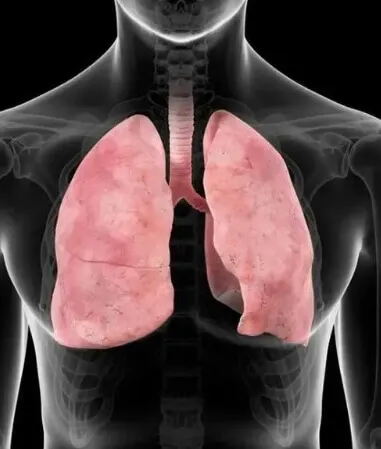
Summary: Ice bathing, as a health practice, offers numerous benefits to the body, including promoting blood circulation, alleviating muscle fatigue, boosting immunity, and improving mental well-being. Although ice bathing carries some risks, moderate ice bathing can still be an effective way to enhance overall health and vitality, favored by many athletes and health enthusiasts. Ice bathing remains effective in enhancing physical health and vitality. If your body is generally healthy, you can consider trying ice bathing. However, safety should be a priority. Choose and consider based on individual health conditions and comfort levels to avoid unnecessary health risks. Hopefully, ice bathing can bring various benefits to you, maintaining health and vitality, making life healthier and more energetic.
Do Ice Baths Burn Calories?
How Much Ice In An Ice Bath?
Related Article