


Can ice baths cause hypothermia?
author: Jerry
2023-12-05
Can ice baths cause hypothermia?
In today's society that pursues health and physical condition, ice bathing has become a high-profile fitness and recovery method. However, as interest in the therapy grows, a controversial question has emerged: Do ice baths cause hypothermia? This issue involves many fields such as human physiology, rehabilitation medicine, and sports science, and has attracted widespread attention and research. Before we delve into this topic, let’s first understand the basics of ice bathing and its effects on the human body.
The principle of ice bath
Ice baths, also known as cold water immersion therapy or cold water therapy, are a health practice that reaps the benefits of immersing the body in ice water. The basic principles involve the effects of temperature on human physiology and metabolism.
Vasoconstriction: Immersion in ice water can cause vasoconstriction, a narrowing of blood vessels. This physiological response helps slow blood flow and reduce blood pressure, thereby reducing inflammation and swelling.
Metabolic regulation: The body attempts to maintain body temperature balance in cold environments, which causes the body to speed up metabolic processes to generate more heat. This may promote fat burning and increase energy expenditure, which may have positive effects for some people pursuing fat loss.
Analgesic Effects: Cold water immersion is believed to have analgesic effects, reducing muscle soreness and pain. Cold therapy produces this effect by slowing down the speed at which nerve impulses are transmitted.
Rehabilitation and Muscle Recovery: Cold water immersion is widely used for rehabilitation and muscle recovery among athletes, especially after intense training or competition. By reducing muscle inflammation and promoting waste elimination, ice baths can help speed up the muscle recovery process.
However, despite these potential benefits, ice baths need to be used with caution. Extreme cold water immersion can cause hypothermia and may not work for everyone. An individual's health, cardiovascular status, and any underlying medical issues should be fully considered before practicing ice bathing. Before starting any new health practice, it is best to seek the advice of a physician or professional health professional. This is why some people have raised the issue that ice baths can cause hypothermia.

Can ice baths cause hypothermia
Ice baths may cause hypothermia in your body. The basic principle of ice bathing involves exposing the body to cold water, usually between 0 and 15 degrees Celsius. The original intention of this approach is to trigger the body's own regulatory mechanism through the stimulation of cold water, thereby producing a series of physiological effects. One of these is vasoconstriction, which causes blood flow to slow down, lowering blood pressure and helping to reduce inflammation and swelling.
Ice water immersion can also cause metabolism to accelerate, because the body will work hard to generate more heat in a cold environment to maintain body temperature balance. This may help promote fat burning and increase energy expenditure, which may be a welcome effect for individuals seeking to lose fat and get in shape.
In addition, ice baths are widely used in athletes' rehabilitation and muscle recovery processes. By slowing down muscle inflammation and promoting the elimination of waste products, ice water soaking can speed up muscle recovery and prepare you for the next high-intensity training or competition.
However, while ice baths offer a range of potential benefits, they must be used with caution. Ice baths that are too long or too cold can cause low body temperature, known as hypothermia. This may manifest as chills, fatigue, confusion, or even coma, and is a severe physiological reaction.
To avoid potential risks, individuals should carefully consider their health, body temperature sensation, and any underlying medical issues before taking an ice bath. Especially for patients with cardiovascular disease or those with weak body temperature regulation ability, ice bathing should be carried out with caution and under the advice of a doctor.
In practice, reasonable control of the time and temperature of the ice bath is crucial. Generally speaking, the recommended ice bath time is 10 to 20 minutes, and the temperature should be within the appropriate range. Additionally, to ensure safety and effectiveness, it's best to seek the advice of your doctor or professional health professional before beginning an ice bath.
As a special method of recovery and fitness, ice baths do have their own unique features. But in order to prevent you from hypothermia, you should still use it wisely.
Can you get hypothermia from cold showers
Taking a cold shower usually does not cause hypothermia because the body has a self-regulating physiological mechanism to maintain a balanced body temperature. However, in general, cold showers cause a drop in surface temperature but do not have a significant effect on core body temperature.
When the body is exposed to cold water, the temperature of the skin drops, triggering physiological responses such as vasoconstriction and shivering. This is the body's response to slow the drop in surface temperature and maintain core temperature. This response helps slow blood flow to the body's surface, reducing heat loss and triggering the body to produce additional heat in response to the effects of cold water.
The length and temperature of cold showers are key factors that affect body temperature regulation. Short periods of cold water immersion typically do not cause hypothermia, and this short burst of cold water stimulation is even thought to be beneficial in increasing circulation, relieving fatigue, and improving skin health.
However, if you are exposed to extremely cold water for an extended period of time, or if the water temperature is extremely low, there is a risk of hypothermia. Especially for some special groups, such as the elderly, infants, patients with cardiovascular disease, and people with poor body temperature regulation ability, they should be more cautious and avoid excessive cold water stimulation.
Overall, cold showers are relatively safe under the right conditions and may provide some health benefits for some people. However, individual differences are large, so it is best to understand your physical condition before trying it, and seek medical advice if necessary. By following reasonable times and temperatures, you can better enjoy the benefits of a cold shower without causing discomfort or risk.
Cold plunge precautions: shock reaction
Best time of day to cold plunge
Related Article
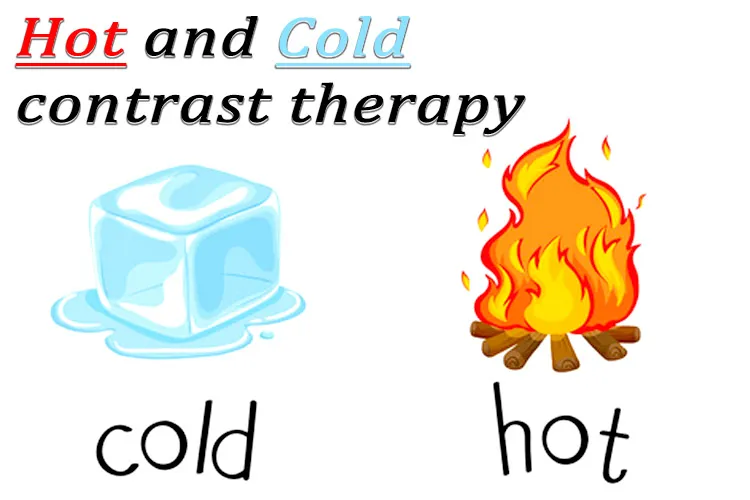
Both hot 、 ice baths can bring health benefits. What effect can be achieved by combining them? How does the alternating hot and cold shock feel to the body?
Take advantage of hot and cold contrast therapy
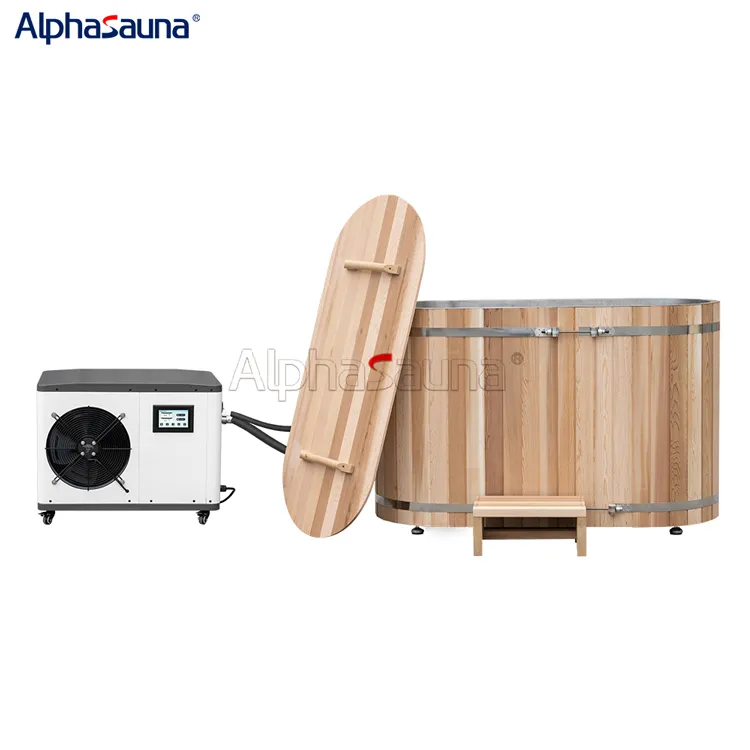
Are you interested in taking on the ice bath challenge? This guide explores different types of ice baths, their benefits, a beginner's guide to purchasing an ice bath, and much more. Join us and dive into the world of cold therapy!
Ice bath:A Must-Have Buying Guide for Beginners"
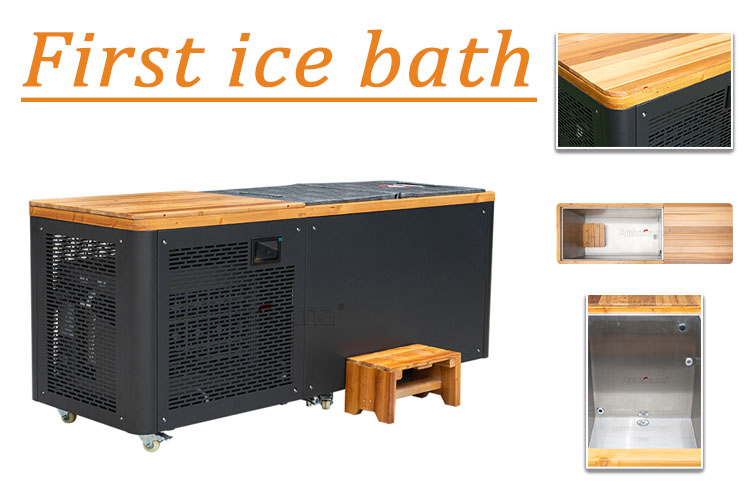
Taking an ice bath for the first time is a thrilling and exciting adventure, as the chill sweeps over you and puts your body on alert. For those of you who have no prior experience, you should acquaint yourselves with the pertinent knowledge regarding ice baths. The theme of this issue is "How long should you stay in your first ice bath?"
How long should a novice stay in the ice bath for the first time?
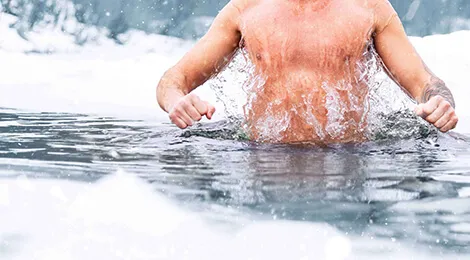
If you're health-conscious, whether you're a novice or a seasoned fitness aficionado, you likely have various approaches to enhancing your physical well-being. However, have you ever considered the benefits and precautions of both ice baths and hot water baths? In this edition, we'll delve into the nuances of ice bathing, exploring its health implications and essential considerations.
Should I take a hot shower after an ice bath?