


What's the Optimal Water Temperature for a Cold Plunge?
author: Jerry
2023-10-31
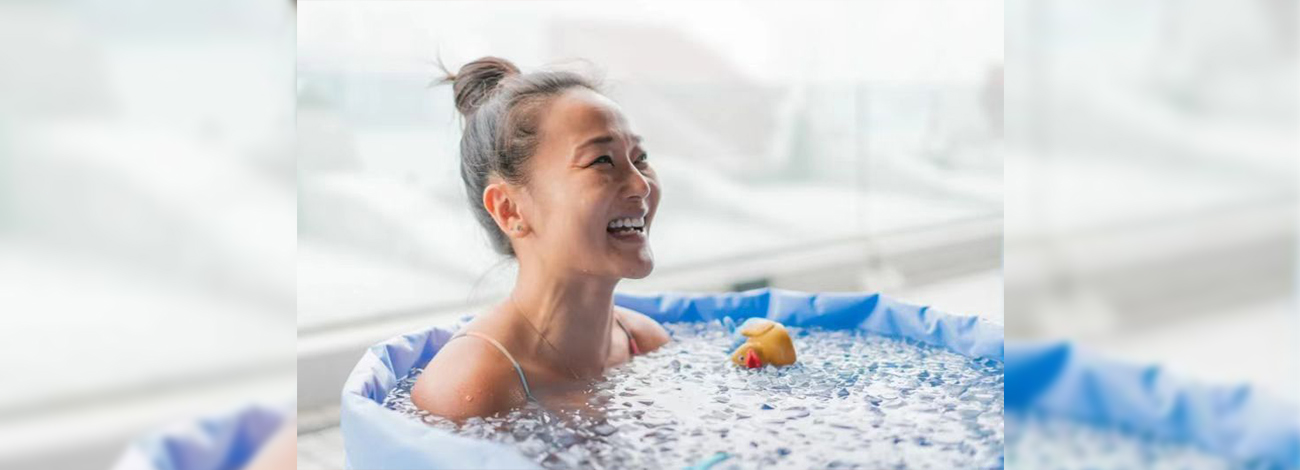
What's the Optimal Water Temperature for a Cold Plunge?
Cold plunge is a practice loved by many people. It is also called ice bath. Especially for fitness enthusiasts, they like to take ice bath after exercise because cold plunge helps to recover from exercise and relieve pain. Muscle soreness and other effects, then the question also arises, what is the best cold plunge temperature. The following article will introduce it to you.
What is a cold plunge?
Cold plunge is a therapy that involves rapidly immersing the body in cold water, triggering a variety of physiological reactions. It is understood that acute cold stimulates the release of norepinephrine. This hormone is beneficial in regulating mood, reducing anxiety and depression, promoting better sleep, reducing inflammation and swelling, and has many other health benefits.
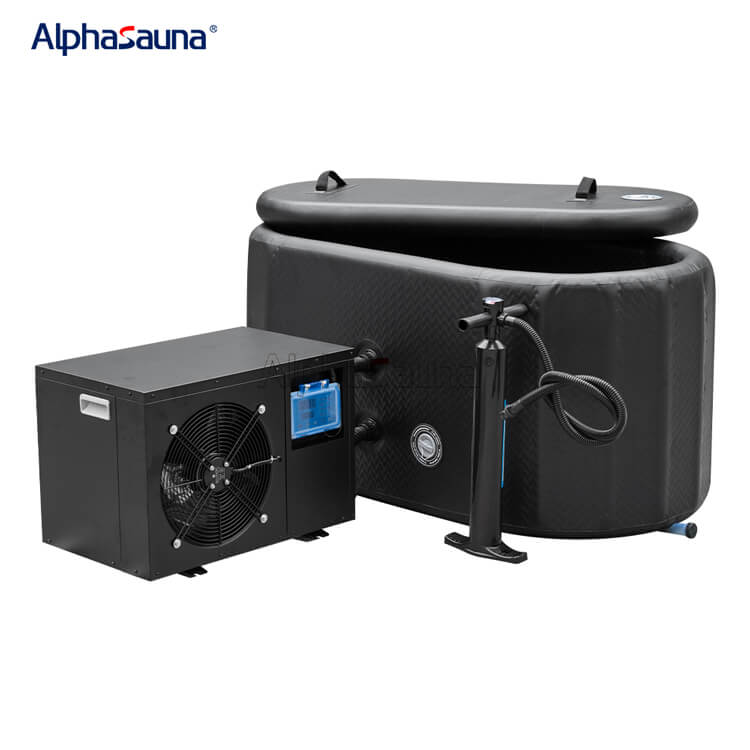
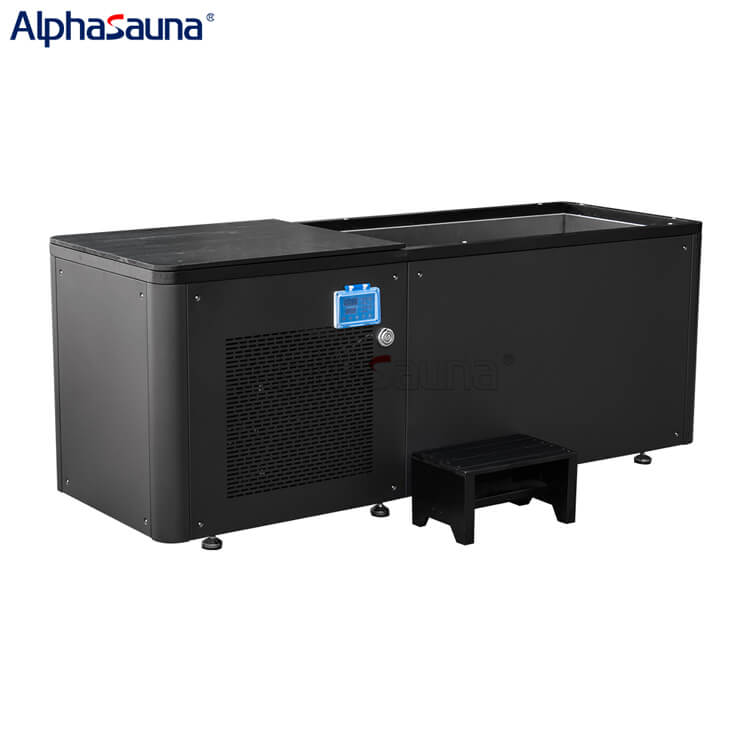
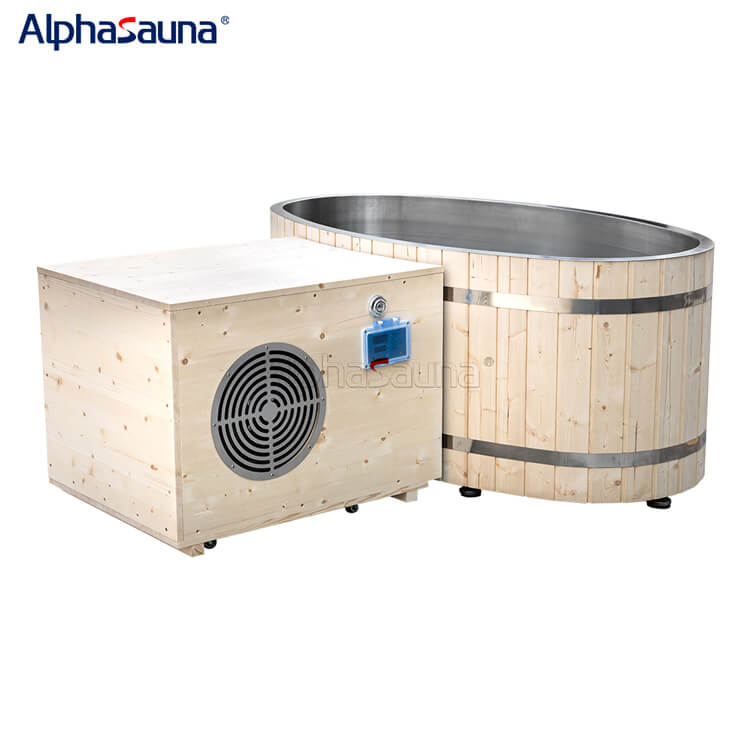
How Cold does Water have to be for Cold Plunge?
The best water temp for cold plunge is 10°C (50°F) to 15°C (60°F), which is the ideal temperature. But the cold plunge water temperature depends on your experience with cold exposure, your tolerance for cold, and your goals for the soak. Some people prefer water temperatures close to freezing, around 0°C, while others may find water temperatures in the 10°C (50°F)-15°C (60°F) range more tolerable and still provide benefits.
For beginners
If you are new to cold plunge, we recommend starting with a warmer temperature for your cold plunge water temperature and then gradually acclimating to lower temperatures. You can choose a water temperature around 15 degrees Celsius (59 degrees Fahrenheit) as a starting point and watch how your body reacts. Once you feel acclimated and comfortable, you can slowly decrease the water temperature to gradually increase the level of chill.
For experienced people
If you are already a cold plunge veteran, you can try lower temperatures and longer durations. But remember, reasonable time and temperature can achieve greater benefits, and the cold plunge water temperature should not be too low.
Finding a temperature that is challenging but still tolerable for you is the optimal cold plunge temperature. Some people may prefer cooler temperatures of around 10°C (50°F), while others may find 15°C (59°F) more suitable. Try different temperatures based on how your body reacts to determine what works best for you. When undergoing cold water immersion therapy, always prioritize your comfort and safety.
How long should you cold plunge?
The length of your cold jump training also plays an important role in getting the most out of its benefits. According to recent research, the lowest effective dose of cold plunge is 11 minutes a week, divided into multiple sessions of 2-4 minutes each. However, it is important to note that this advice is based on already adapting to the cold. Therefore, we recommend that beginners start with shorter exposure times, such as 30 seconds to a minute. As tolerance increases, gradually extend the cold water soak time.
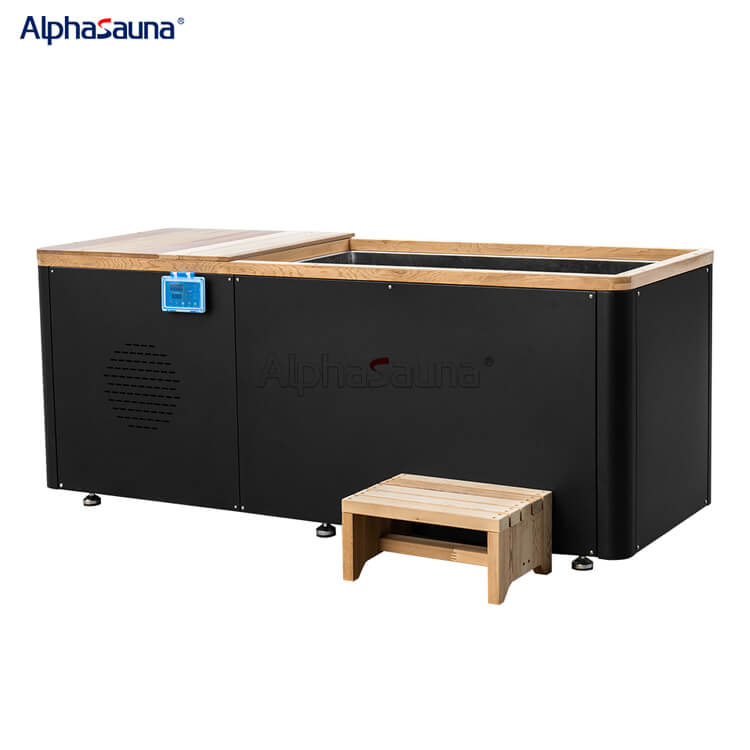
How to perform a cold plunge?
- Warm your body: Make sure your body is warm before taking a cold water soak. This can be accomplished through a light body warm-up, showering, or yoga practice. Warming up can help reduce the shock of the cold.
- Gradually enter the water: Enter the cold water slowly and do not rush to fully submerge in one go. You can start with your ankles or arms and then gradually lower your body into the water.
- Control your breathing: Once you are fully in the water, try to stay calm and control your breathing. Deep breathing can help cope with the cold and reduce tension in the body.
- Gradual adaptation: Beginners can start with short exposure times, such as 30 seconds to 1 minute. Then, gradually increase the time of cold water soaking to increase tolerance.
- Stay safe: Always monitor your body's reactions. If you feel uncomfortable, get out of the cold water immediately. Make sure someone is nearby in case help is needed.
- Exiting the Soak: After completing the cold water soak, exit the sink or tub slowly and carefully. Dry yourself with a towel and put on warm clothing to help your body rewarm.
- Drink enough water: Drink warm water to maintain fluid balance, as cold water immersion may cause fluid loss
At last
Cold jump temperature is subjective and depends on your personal preference and tolerance. Generally, the recommended temperature range for cold water immersion is between 10-15 degrees Celsius (50-60 degrees Fahrenheit).
It's important to listen to your body's signals, adjust the water temperature to your comfort level, and gradually lengthen your soak as you become more acclimated to the cold.
With proper preparation and careful practice, cold water immersion can provide many benefits to your physical and mental health. You can find more information about cold therapy on our blog.
Exploring the Benefits of Hot and Cold Therapy: A Comprehensive Guide
Best cold plunge tub 2023;The ultimate cold plunge guide
Related Article
Both hot 、 ice baths can bring health benefits. What effect can be achieved by combining them? How does the alternating hot and cold shock feel to the body?
Take advantage of hot and cold contrast therapy
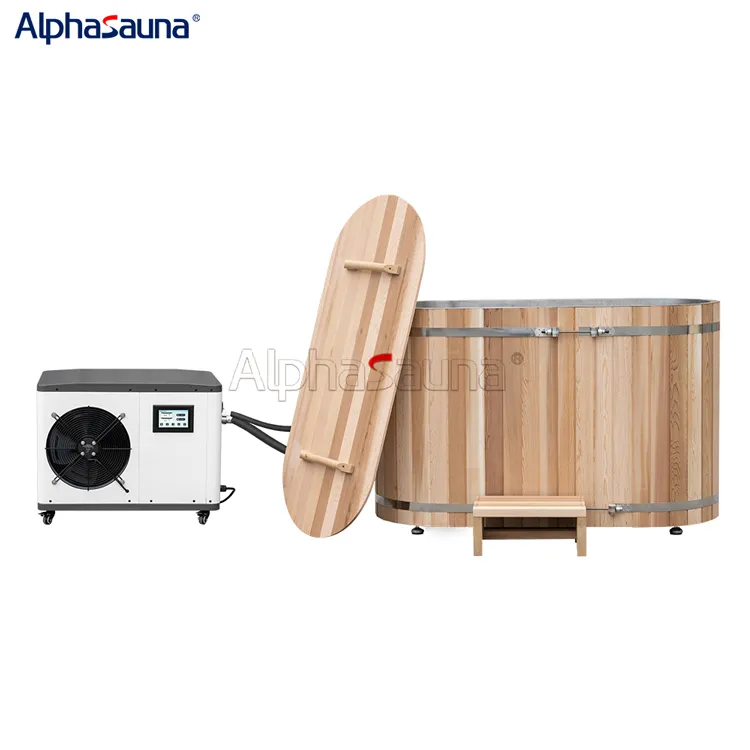
Are you interested in taking on the ice bath challenge? This guide explores different types of ice baths, their benefits, a beginner's guide to purchasing an ice bath, and much more. Join us and dive into the world of cold therapy!
Ice bath:A Must-Have Buying Guide for Beginners"
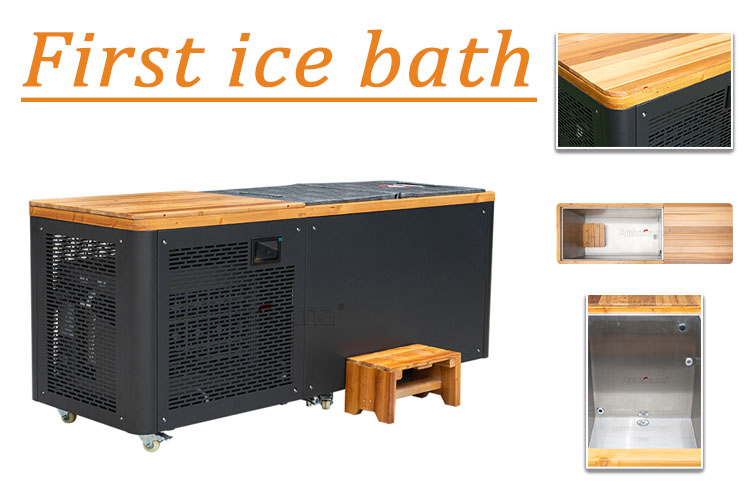
Taking an ice bath for the first time is a thrilling and exciting adventure, as the chill sweeps over you and puts your body on alert. For those of you who have no prior experience, you should acquaint yourselves with the pertinent knowledge regarding ice baths. The theme of this issue is "How long should you stay in your first ice bath?"
How long should a novice stay in the ice bath for the first time?
If you're health-conscious, whether you're a novice or a seasoned fitness aficionado, you likely have various approaches to enhancing your physical well-being. However, have you ever considered the benefits and precautions of both ice baths and hot water baths? In this edition, we'll delve into the nuances of ice bathing, exploring its health implications and essential considerations.
Should I take a hot shower after an ice bath?