


Cold plunge precautions: shock reaction
author: Jerry
2023-12-13
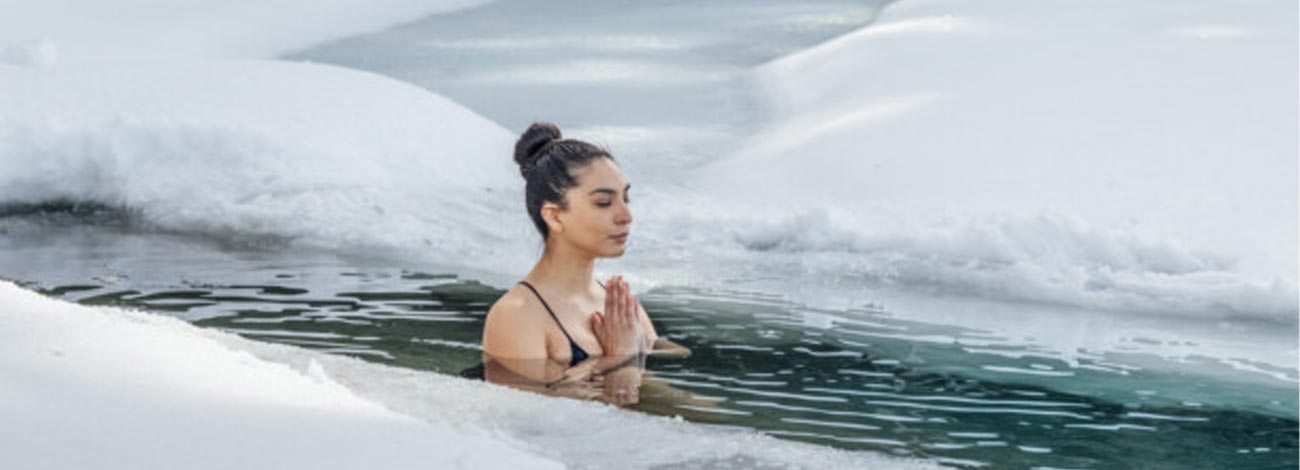
Cold plunge precautions: shock reaction
Cold plunge has unknowingly become a challenge to people's oral health in recent years. I do not deny the benefits that cold plunge brings to us. Studies have shown that people who do cold plunge all year round will have improved immunity and will be less susceptible to diseases. At the same time, cold plunge can also promote blood circulation and improve immunity. But we cannot ignore the risks brought by cold plunge. When you suddenly fall into cold water, you will have a shock reaction, that is, difficulty breathing, shortness of breath, etc. So how can we avoid it? This article will help you answer the questions together.
Benefits of cold water baths and basic procedures of cold plunge tub
Let’s first understand the benefits of cold water bathing and the correct basic procedures for taking a cold water bath.
Benefits of cold baths:
Improves circulation: Cold baths may help stimulate circulation, which can help improve blood flow and cardiovascular health.
Boost your immune system: Some research suggests that cold baths may help boost immune system function.
Reduces fatigue and muscle pain: Cold baths are thought to reduce muscle pain and fatigue because it helps reduce inflammation and promote muscle recovery.
Improves focus and alertness: Cold water may stimulate the nervous system and increase alertness and focus.
The basic process of cold water bath:
Preparation: Before you begin, make sure you are in good physical condition, especially if you have a chronic illness or other health problem. It is best to consult a doctor before trying a cold bath.
Choose the right time: It's best to take a cold bath in the morning or after activity, as it helps increase alertness and promotes recovery.
Gradually cool down: Do not shower with very cold water right away as this may cause physical discomfort. You can start with cool water and gradually reduce the water temperature.
Adaptation time: When trying for the first time, it is best to control the soaking time to a few minutes, and then gradually extend it according to personal feelings.
Full body immersion: Try to expose your entire body to cold water, including your head. If a full-body soak isn't possible, try a partial cold bath in a bathtub.
Warm up slowly: When you feel comfortable, you can gradually increase the water temperature to help your body adapt to the stimulation of cold water.
Pay attention to body signals: Throughout the process, pay attention to your body's reactions. If you feel uncomfortable, stop immediately.
What is a symptom of cold shock
Shock is a severe physiological reaction usually caused by the body's inability to maintain adequate blood flow to vital tissues and organs. Shock can be an emergency condition that requires prompt medical intervention. Here are some possible signs of a shock reaction:
Loss of consciousness or confusion: Shock may cause a lack of oxygen to the brain, causing loss of consciousness, confusion, or obtundation.
Feelings of weakness and fatigue: Patients may feel extremely weak and tired because their organs and tissues are not receiving enough oxygen and nutrients.
Skin Conditions: The skin may become pale, clammy, and sweaty. In some cases, the skin may take on a cyanotic (purple) hue.
Rapid breathing and heartbeat: In shock, the body may try to increase oxygen delivery by increasing breathing and heartbeat, causing rapid breathing and a rapid heartbeat.
Hypotension: Shock is often accompanied by a drop in blood pressure, which can lead to dizziness, vertigo, and possible syncope.
Cold Sweat and Humidity: The skin may feel clammy and cold sweat occurs due to blood being forced away from superficial organs to more important internal organs.
Rapid or shallow breathing: Breathing may become rapid or shallow as the body attempts to increase oxygen uptake.
Weak or irregular pulse: The pulse may become weak or irregular, reflecting the heart's efforts to cope with shock.
The main factors that may cause a shock reaction to cold plunge include:
Excessive temperature difference: Rapidly entering cold water from a warm environment, especially when the temperature difference is very large, the body may not be able to adapt quickly, leading to a shock reaction. This is because cold water causes blood vessels to constrict, rapidly lowering body temperature and possibly triggering the thermoregulatory mechanism.
Individual differences: Different people have different adaptability to cold water. Some people may be relatively tolerant, while others may be more susceptible to a shock reaction. Factors such as physique, age, health status, etc. will all affect an individual's response to cold water.
Cardiovascular disease: If a person has cardiovascular disease or other related health problems, performing a cold plunge may place additional strain on the heart and vascular system, increasing the risk of shock.
Overexcitement or nervousness: When immersed in cold water, being overly excited or nervous may trigger the body's stress response, leading to symptoms such as increased heart rate and shortness of breath, increasing the risk of shock.
Prolonged exposure: Prolonged exposure to extremely cold water may increase the risk of shock. Even for people accustomed to cold water immersion, excessive time can still cause physical discomfort.
Before engaging in cold water immersion, especially if you have underlying health conditions, it is recommended to seek medical advice to ensure that this activity is safe for your body. If you feel any discomfort, you should stop cold water soaking immediately and seek medical help.
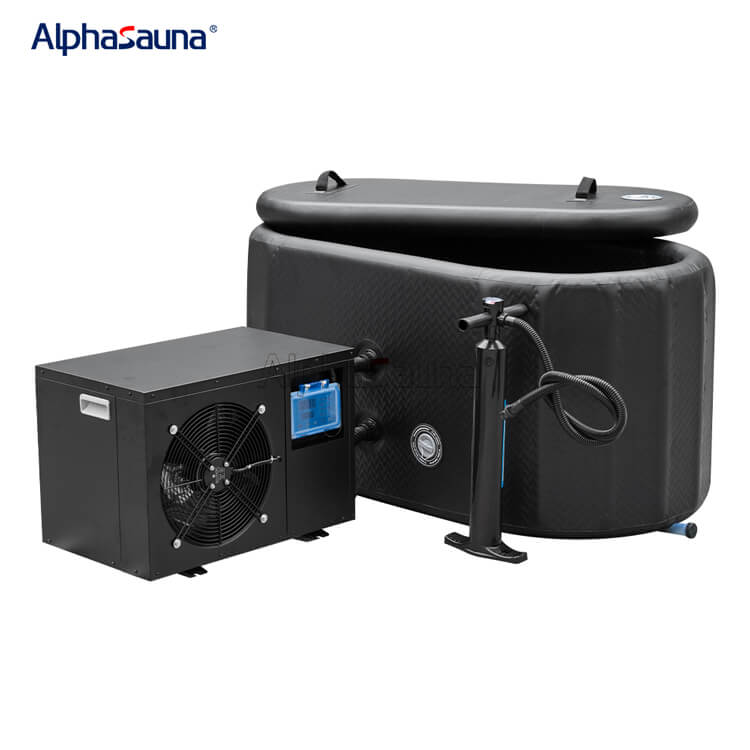


Why does cold water take your breath away?
Cold Water Stimulation Reflex: When the body is exposed to cold water, temperature receptors in the skin are stimulated, sending signals to the brain. These signals activate neural reflexes in facial and respiratory muscles, resulting in a spontaneous respiratory depression response.
Diving Reflex: The diving reflex in cold water is an instinctive reaction, especially when the face and neck are stimulated by cold water. This reflex acts on the larynx and trachea, causing the glottis to close to prevent water from entering the respiratory tract. This also includes holding your breath to prevent water from entering your lungs.
Respiratory muscle contractions: Cold water can cause spasms and contractions in the respiratory muscles, which makes breathing more difficult. To avoid water entering the respiratory tract, the body may automatically hold its breath.
These physiological responses are to protect the respiratory system and prevent water from entering the lungs, especially in cold water. These reflex physiological changes help maintain the function of the respiratory system and protect the respiratory tract from damage.
How to prevent the risk of shock during cold plunge
Gradually cool down: If you are trying cold water immersion for the first time, or are immersing in colder water, it is recommended to gradually lower the water temperature. Choose relatively warm water to start with and gradually turn the temperature down.
Short time: Initially, do not stay in cold water for too long. The soaking time can be very short at first and then gradually increased. The first few soaks can be limited to a few minutes, and then gradually lengthened according to adaptation.
Avoid cold conditions: Avoid being in cold conditions before and after cold water immersion. Make sure you are able to rest in a warm place before and after your cold soak.
Pair it with exercise: If possible, do some light exercise before your cold water soak. This helps increase body temperature and blood circulation and reduces condensation in cold water.
Monitor your body signals: During your cold water immersion period, always pay attention to your body signals. If you feel discomfort such as excessive coldness, shortness of breath, or rapid heartbeat, you should exit the cold water immediately.
Avoid taking a cold plunge alone: It is best to take a cold plunge with someone close by so that someone is always available to help.
Adaptation training: If you plan to perform cold water immersions frequently, you can increase your body's adaptability to the cold by gradually increasing the intensity and duration of your training.
Gradual adaptation: Try to avoid sudden, extreme cold water immersion. Use a gradual approach to gradually acclimate your body to the cold water environment.
Responses to shock situations
Get out of cold water quickly: If you feel signs of shock, get out of cold water immediately to prevent further exposure.
Stay Warm: Wrap yourself as soon as possible, put on warm clothing, and use a towel or blanket to cover your body. This helps increase body temperature.
Breathe deeply: Taking deep breaths can help restore normal breathing patterns and improve oxygen supply.
Warm up slowly: Avoid sudden exposure to warm environments that can cause reactive vasoconstriction. Choose a slow and gentle way to warm up, such as a warm shower.
Massage: Gently massage the limbs to help promote blood circulation.
Drink warm liquids: Drinking warm beverages, such as warm water or warm tea, can help raise your body temperature.
Get medical attention: If symptoms of shock persist or worsen, or if other serious symptoms occur, seek medical attention immediately. Shock is a serious vital sign that requires help from a professional medical team.
I hope this knowledge helps you learn about Alphasauna’s cold plunge tub!



Maintaining The Temperature of Ice Bath Cold Plunge Water——“cold”
Can ice baths cause hypothermia?
Related Article
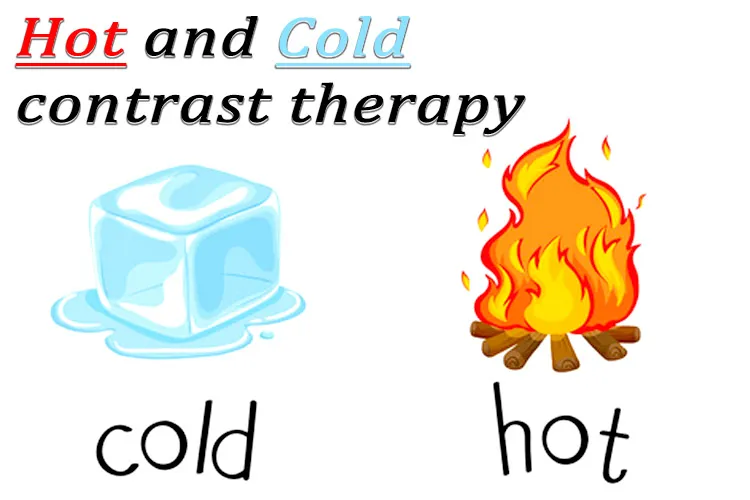
Both hot 、 ice baths can bring health benefits. What effect can be achieved by combining them? How does the alternating hot and cold shock feel to the body?
Take advantage of hot and cold contrast therapy

Are you interested in taking on the ice bath challenge? This guide explores different types of ice baths, their benefits, a beginner's guide to purchasing an ice bath, and much more. Join us and dive into the world of cold therapy!
Ice bath:A Must-Have Buying Guide for Beginners"
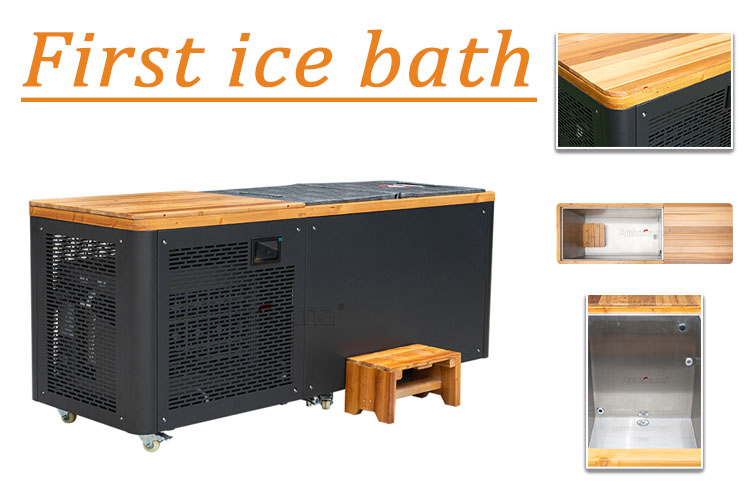
Taking an ice bath for the first time is a thrilling and exciting adventure, as the chill sweeps over you and puts your body on alert. For those of you who have no prior experience, you should acquaint yourselves with the pertinent knowledge regarding ice baths. The theme of this issue is "How long should you stay in your first ice bath?"
How long should a novice stay in the ice bath for the first time?
If you're health-conscious, whether you're a novice or a seasoned fitness aficionado, you likely have various approaches to enhancing your physical well-being. However, have you ever considered the benefits and precautions of both ice baths and hot water baths? In this edition, we'll delve into the nuances of ice bathing, exploring its health implications and essential considerations.
Should I take a hot shower after an ice bath?