


What to do After Cold Plunge?
author: Jerry
2024-01-26
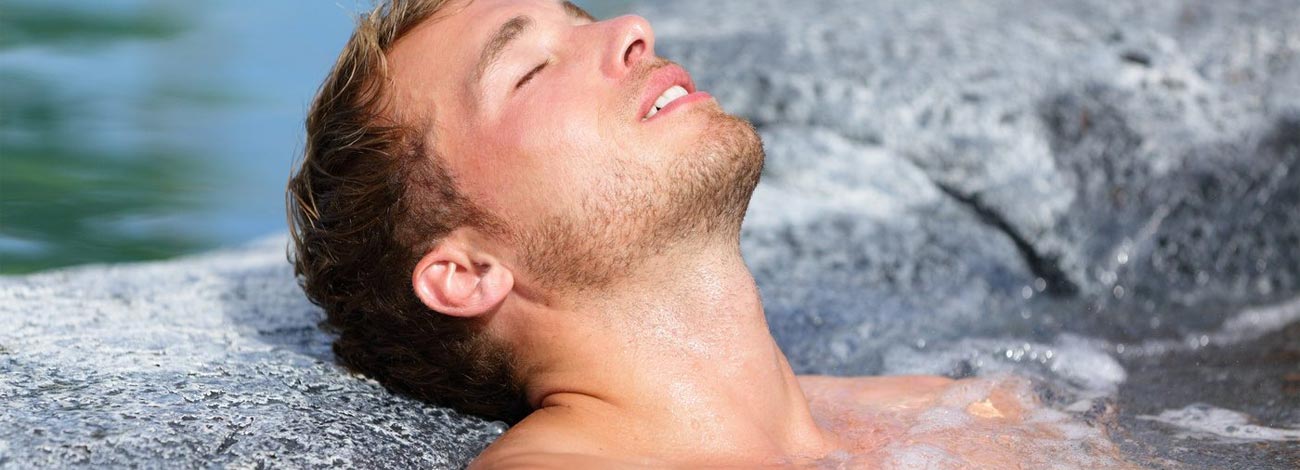
What to do after cold plunge?
There’s nothing more exciting than dunking yourself into a bucket of ice water after a strenuous workout, a tiring day at work, or even just waking up! More and more people are loving cold plunge because of the incredible benefits it can bring to your physical and mental health. To take full advantage of these health benefits, it's important to understand exactly how to use ice baths correctly and how they fit into your health routine. What to do after a cold plunge and what mistakes to avoid after a cold plunge.
In this article, we will explore the basic steps after an ice bath to maximize the benefits of an ice bath and help you avoid the dangers of a cold plunge. If you want to know what to do after an ice bath and how to take advantage of a cold plunge True Potential, read on as we guide you through the dos and don’t of effective and safe cold plunges.
What to do after Ice Bath
After an exhilarating cold plunge, proper care of your body is crucial to ensuring you reap the full rewards of this powerful health practice. Cold plunge helps with muscle recovery, reduces inflammation and enhances overall health. The following is an in-depth discussion of the measures to be taken after a cold plunge to maximize the potential of a cold plunge.
Dry off and slowly allow body to warm up
Emerging from icy water can be a shock to your system, and rapid changes in body temperature can stress your body. To prevent this from happening, take a moment after a cold plunge to dry yourself off and put on warm clothing, or wrap yourself in a comfortable towel to help your body retain heat and allow your body to slowly recover.
Gentle warm-up exercises
You can do some stretching exercises or yoga. A light warm-up or even yoga can get your blood flowing, helping to clear your metabolism and promote muscle recovery. Please avoid strenuous exercise after exercise, as your muscles may still be feeling the effects of the cold.
Supplement body needs
Cold plunge will cause the body to lose necessary nutrients and electrolytes. In order to replenish the water in the body system, you can drink warm drinks such as warm water, warm tea, or lemon warm water to replenish water. Supplementing with snacks or other foods that contain nutritious carbohydrates and protein can also support muscle recovery.
Skin care
Prolonged exposure to cold water can dry out and irritate skin. Follow a cold plunge with a hydrating treatment to moisturize and protect your skin. Use a gentle, nourishing moisturizer to keep skin hydrated and promote healing.
What not to do after an ice bath
- In addition to knowing what to do after a cold plunge, it is also crucial to know what not to do after a cold plunge.
- Avoid taking a hot shower immediately after a cold plunge, as the difference in temperature can stress your body.
- Avoid alcohol and caffeine immediately after a cold plunge as they may interfere with the body's natural recovery process.
- Avoid strenuous physical activity after a cold plunge, which may strain your muscles and cause injury
How to deal with emergencies after cold plunge
We've discussed what to do after a cold plunge and what not to do after a cold plunge, but if you notice any strange symptoms, you'll want to learn to deal with them on an emergency basis. While most of these reactions are normal and expected, it’s important to know how to deal with them effectively to have a safe and enjoyable cold plunge experience. Here’s what we’ll cover:
How to deal with shivering after an ice bath
Shivering is the body's natural response to cold and occurs as your body attempts to adjust to normal core temperature. Although shivering can be very uncomfortable, you must treat it as part of your body's natural recovery process. Here are some ways to deal with tremors:
- Dry yourself immediately after a cold plunge and wear warm clothing to preserve body heat
- Find a warm environment to allow the body to naturally return to normal core temperature
- Perform light stretches, including yoga, to help generate heat and improve blood circulation
- Drink a warm cup of tea or water to raise your body temperature
- Practice deep breathing or meditation to calm your mind and body and help reduce tremors
How to deal with temporary numbness and tingling
After a cold plunge, you may feel temporary numbness or tingling in your limbs due to the constriction of blood vessels to protect the dissipation of heat and protect vital organs. This is also a normal phenomenon, but we must solve it correctly to prevent subsequent problems. If you feel numbness and tingling after a cold plunge, here are some suggestions:
- Gently rub your limbs with your hands to gradually warm them up
- Move your hands, feet and toes regularly to promote blood flow
- Avoid exposing limbs to extreme heat immediately after an ice bath to prevent injury
This feeling should return to normal as your body warms and circulation improves.
How to deal with redness and itchiness
If your skin becomes red or itchy after a cold plunge, especially on the side that comes into contact with cold water, this is also what happens to some people and is a normal reaction. You don’t need to be overly concerned. It may be caused by dry skin. This phenomenon is called cold-induced urticaria or "cold urticaria." Since everyone’s body is different, here’s how to control post-ice bath redness and itching after an ice bath:
- Avoid excessive scratching of the affected area to prevent further irritation
- Apply a soothing moisturizer to the area to keep it moisturized to help relieve dryness and itchiness
If redness and itching persist or worsen, consider consulting a healthcare professional to rule out any underlying allergies or sensitivities.
More tips on getting the most out of your cold plunge
Ice bath and cold plunge are invigorating experiences on their own, but incorporating certain techniques and practices can enhance their benefits and overall impact on your health. These additional tips will help you get the most out of your cold plunge:
Incorporate breathing techniques
Controlled breathing can greatly enhance your cold plunge experience. When you submerge yourself in the cold water, practice deep, controlled breathing to help relax your body and mind. Inhale slowly through your nose and breathe slowly through your mouth at the same time. This breathing method not only helps to relieve the initial shock of cold plunge, but also allows you to stay focused during cold plunge. Controlled breathing also supports the body's natural regulates body temperature and helps you extend your time in cold water if needed.
Use hot and cold therapy with a sauna
For a comprehensive contrast therapy experience, consider combining a cold plunge with a sauna. The alternation of extreme temperatures can further stimulate blood circulation, enhance muscle recovery, promote the release of endorphins, and bring a unique feeling of rejuvenation.
Proper planning is key
Instead of doing cold plunges blindly and letting the cold erode your body, it is better to consider regular and moderate cold plunges and incorporate cold plunges into your daily life. Persistent practice can allow your body to adapt to the cold over time. , thereby improving tolerance, which will bring greater benefits in the long run.
When is the best time to do a cold plunge?
The time that fits your schedule and preferences is the best cold plunge time, and you can choose to wake up in the morning to feel energized. Or maybe after a workout to allow your muscles to recover. Or to end a stressful day after a hard day's work.
How many times a week should you do a cold plunge?
For beginners, doing it once a week is enough. If you are an experienced person, you can proceed according to your preference.
How long should you stay in a cold plunge?
For beginners, 2-3 minutes is the best. After you adapt to the temperature, you can gradually increase the time to increase your tolerance.
Cold plunge temperature
Not all cold plunges require very low temperatures, nor does it mean that lower is better. You can try different temperatures to find the water temperature that works for you. Water that is too cold may be too irritating for some people, while slightly warmer water can provide benefits without putting too much stress on your body. The key is to find a temperature that's both challenging and sustainable, and cold plunge temperatures are typically 50-59 degrees Fahrenheit.
Alphasauna optimizes your cold plunge experience
If you're wondering how to do a cold plunge at home, there are actually several methods to choose from. Some people try to imitate a cold plunge by using a cold shower, but they are actually very different and a cold shower does not give you the same physiological responses or health benefits. Some people invest in a custom home ice bath, but this can cost thousands of dollars. Some people also learn how to DIY a cold plunge, but the cost of materials and your time can add up quickly.

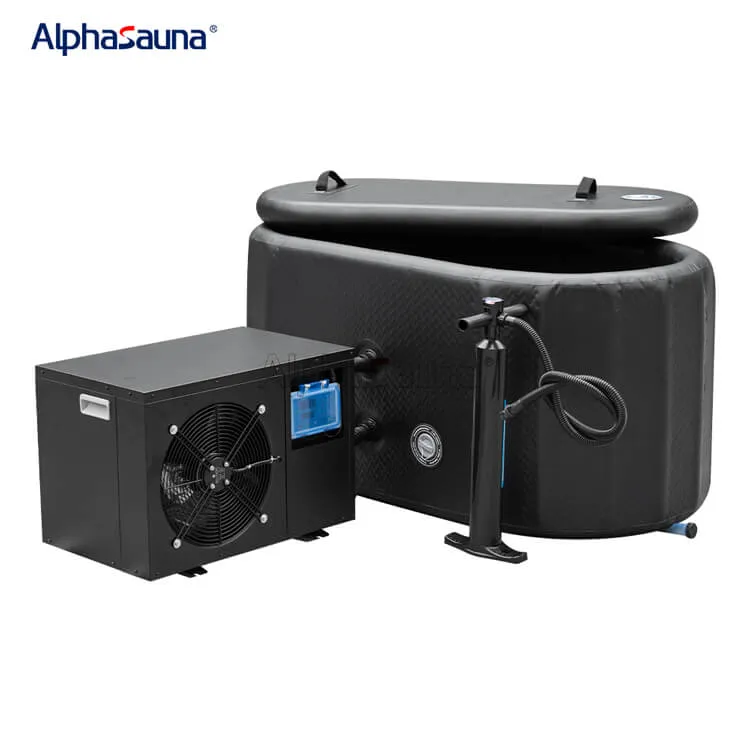
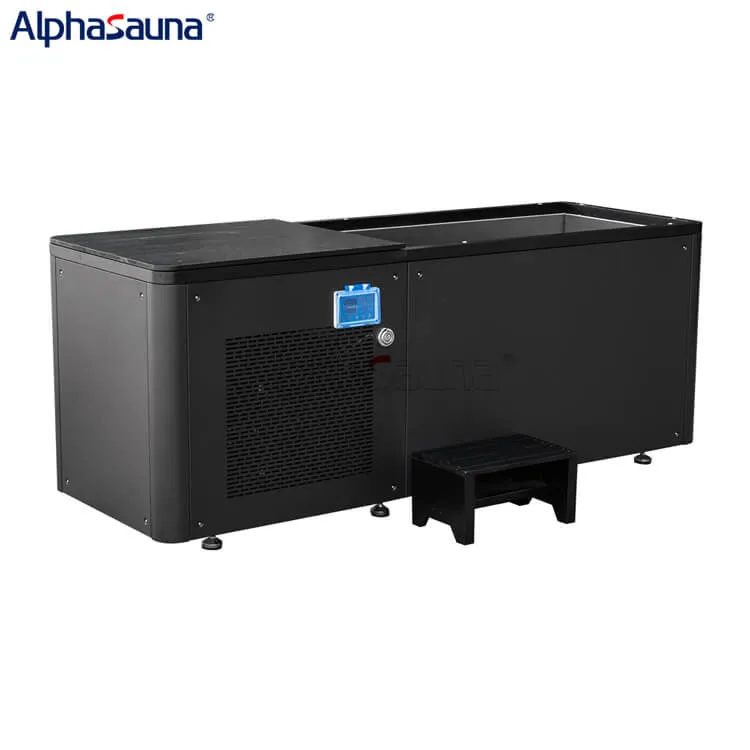
Fortunately, there is an affordable, effective new option that you can enjoy in the comfort of your own home. That is, at Alphasauna, our cold plunge can meet your needs and only takes a few minutes to assemble. If you want to cool your cold plunge, you can simply use an ice pack, or you can invest in our Chiller, which means your tub is always ready for use and can save you a ton of money on ice.
Whether you want to increase circulation, reduce inflammation, clear your mind, sleep better, strengthen your immune system, improve your mood or reduce muscle soreness, cold plunge has what you need.

What is Cold Hot Therapy?
When Should I Cold Plunge?
Related Article
Both hot 、 ice baths can bring health benefits. What effect can be achieved by combining them? How does the alternating hot and cold shock feel to the body?
Take advantage of hot and cold contrast therapy
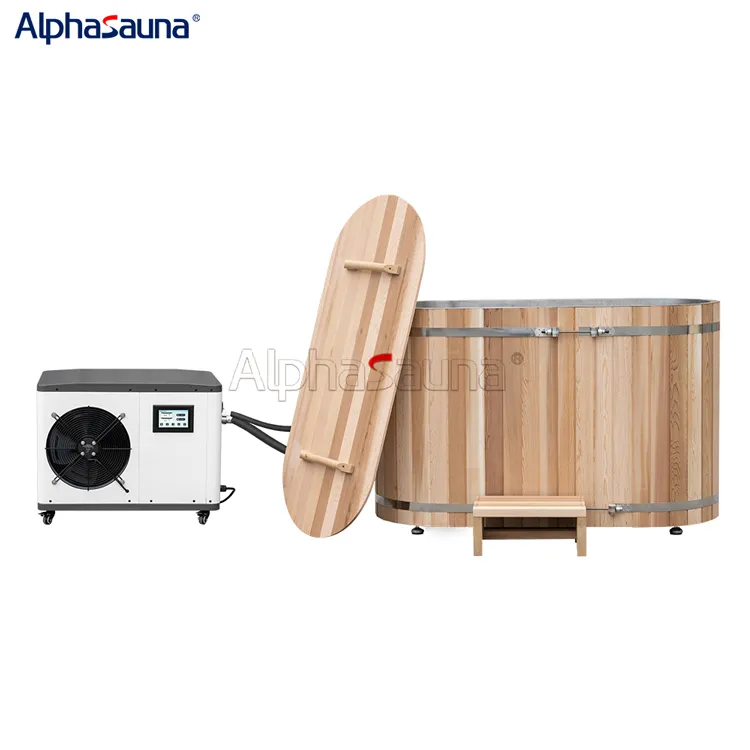
Are you interested in taking on the ice bath challenge? This guide explores different types of ice baths, their benefits, a beginner's guide to purchasing an ice bath, and much more. Join us and dive into the world of cold therapy!
Ice bath:A Must-Have Buying Guide for Beginners"
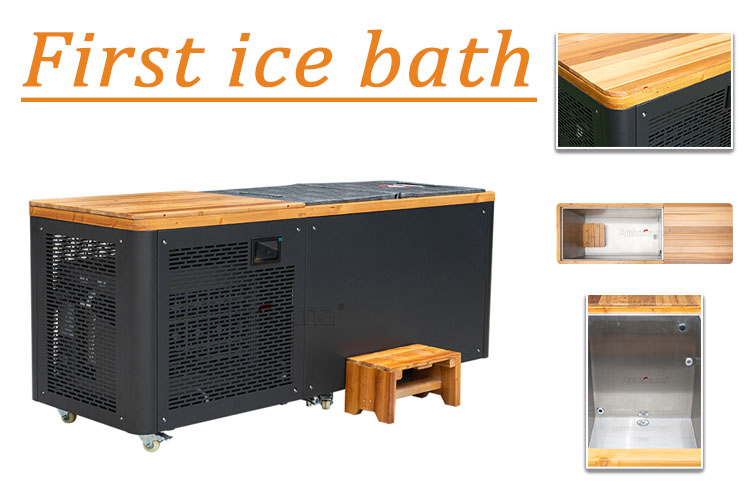
Taking an ice bath for the first time is a thrilling and exciting adventure, as the chill sweeps over you and puts your body on alert. For those of you who have no prior experience, you should acquaint yourselves with the pertinent knowledge regarding ice baths. The theme of this issue is "How long should you stay in your first ice bath?"
How long should a novice stay in the ice bath for the first time?
If you're health-conscious, whether you're a novice or a seasoned fitness aficionado, you likely have various approaches to enhancing your physical well-being. However, have you ever considered the benefits and precautions of both ice baths and hot water baths? In this edition, we'll delve into the nuances of ice bathing, exploring its health implications and essential considerations.
Should I take a hot shower after an ice bath?