


Best time of day to cold plunge
author: Jerry
2023-12-05

Best time of day to cold plunge
In the fast pace of modern life, people often pursue various health and wellness methods, and cold plunge has become one of the most popular ones. People who travel between yoga studios and gyms can often find that invigorating coolness in a pool or dedicated soaking facility. However, to experience the maximum benefits of cold water exposure, choosing the right time is crucial. So, when is the best time to do a cold plunge? Before that, let’s first understand the benefits of cold plunge.


Benefit of cold plunge
Cold Plunge, also known as cold water therapy or cold bath, is a therapy that promotes health and enhances physical performance by immersing the body in cold water. This approach has many potential benefits, including:
Improves blood circulation: Cold water immersion stimulates the contraction and dilation of blood vessels, thereby promoting blood circulation. This helps increase the efficiency of blood transport, delivering oxygen and nutrients to various parts of the body more efficiently, while helping to eliminate waste and toxins.
Reduces Muscle Fatigue and Soreness: Cold water immersion is widely used to reduce muscle soreness and fatigue after exercise. Cold water slows muscle inflammation, reduces pain, and helps muscles recover faster.
Speeds recovery: For athletes or people with minor injuries, cold water immersion can help reduce inflammation in muscles and joints, promote wound healing, and speed up the recovery process.
Improves immune system function: Cold water immersion helps enhance immune system function by activating the body's response mechanisms to cold stimuli. This means the body is more able to fight off viruses and disease.
Improves mental health: Cold water immersion is not only good for the body, it also has a positive impact on mental health. The stimulation of cold water releases dopamine and other neurotransmitters, lifting your mood and relieving anxiety and depression.
Boosts metabolism: Cold water immersion activates brown adipose tissue, a type of tissue that burns fat and produces heat. This helps regulate body weight and promotes a healthy metabolism.
Improves concentration and alertness: The stimulation of cold water stimulates the nervous system, helping to increase concentration and alertness, making people more awake.
Although cold water immersion has many benefits, some people, especially those with heart disease, low blood pressure, or other chronic conditions, should seek the advice of a doctor before using cold water therapy to ensure safety.
By understanding the benefits of cold plunge, we are better able to determine when is the best time to do cold plunge. Generally speaking, the best time to do a cold plunge is in the morning or evening.


Cold plunge morning or night
Benefits of Morning Cold Plunge:
A cold water soak in the morning has unique physical and psychological benefits. First, it is a great way to wake up and refresh your mind. The stimulation of cold water can quickly activate the sympathetic nervous system, increase heart rate and breathing rate, and quickly put the entire body into a high-energy state. This helps replace the traditional caffeine boost, keeping people more alert and focused in the morning.
Secondly, cold water soaking in the morning can promote blood circulation. The constriction and dilation of blood vessels caused by cold water can speed up the flow of blood in the body and improve the efficiency of transporting oxygen and nutrients. This is essential to provide enough energy to maintain the normal function of various parts of the body.
An active immune system also benefits from a morning cold water soak. This stimulating therapy stimulates white blood cell activity in the body and enhances immune cell production and function, allowing the body to more effectively fight potential pathogens. Therefore, a cold water soak in the morning helps to strengthen the body's immunity and make it more resistant.
Additionally, a cold water soak in the morning can help relieve muscle fatigue. After a night's rest, muscles may become stiff or tense. The calming effect of cold water helps reduce this discomfort and promotes muscle relaxation and recovery. For those who regularly engage in high-intensity exercise, a morning cold water soak is an ideal recovery tool.
Benefits of Cold Plunge at Night:
Cold water soaking at night has its own benefits, especially when dealing with the physical and mental state after a stressful day of activity.
First, a cold water soak at night can help relax tense muscles. A day at work, sports, or other activities can cause muscle tightness and fatigue. Taking a cold water soak at night helps reduce this tension through a cooling and soothing effect, making the body more relaxed and comfortable.
Secondly, a cold water soak at night can help promote better sleep. This is because cold water immersion can cause fluctuations in body temperature, prompting the body to enter a deeper sleep stage. Deep sleep is essential for the body's repair and recovery, and cold water soaking at night can help adjust the biological clock and improve the quality of sleep.
An evening cold water soak is also an effective way to relieve the stress of the day. Cold water stimulation activates the parasympathetic nervous system, a nervous system associated with relaxation and recovery in the body. By stimulating activity in this system, an evening cold water soak can reduce tension and anxiety throughout the day, paving the way for a restful night.
When is the best time to do a cold plunge
Taking a cold water soak at night can also help improve sleep quality. Improvements in deep sleep are closely linked to mental health and physical recovery. By taking a cold water soak at night, you can enhance the proportion of deep sleep, leaving you more energetic and refreshed the next day.
Cold water soaking, whether done in the morning or at night, offers a range of physical and psychological benefits. In the morning, cold water soaking can quickly wake up the body, promote blood circulation, strengthen the immune system, and relieve muscle fatigue. And at night, cold water soaks bring tranquility and comfort to the end of the day by relaxing muscles, promoting sleep, and relieving stress.
Choosing when to perform a cold water soak depends on your individual lifestyle habits and health goals. It should be noted that the time and frequency of cold water immersion should be adjusted according to the individual's physical constitution and adaptability to avoid causing discomfort. The bottom line is that whenever you do cold water immersion, it should be done gradually and in moderation to ensure you maximize the benefits of this therapy.
Can ice baths cause hypothermia?
Cold Plunge trivia
Related Article
Both hot 、 ice baths can bring health benefits. What effect can be achieved by combining them? How does the alternating hot and cold shock feel to the body?
Take advantage of hot and cold contrast therapy
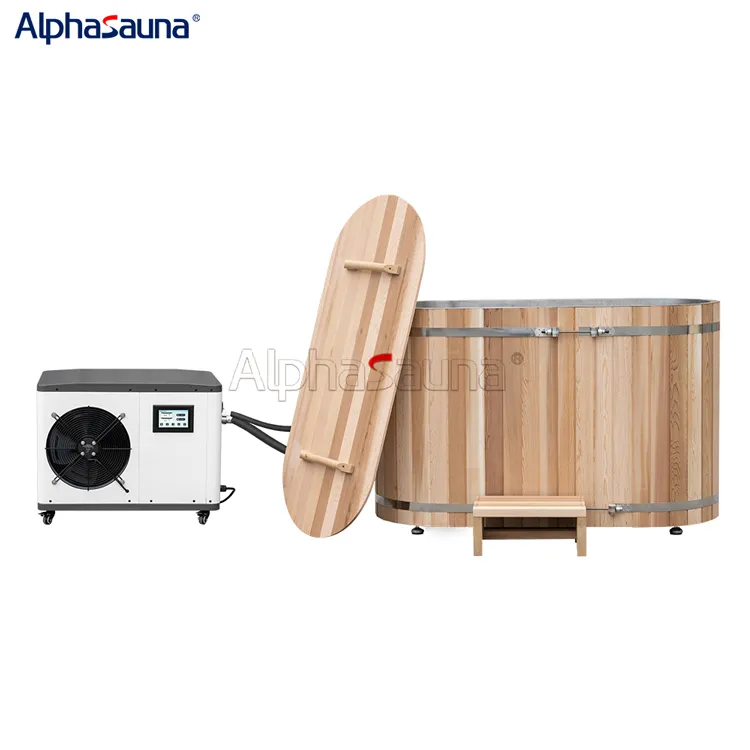
Are you interested in taking on the ice bath challenge? This guide explores different types of ice baths, their benefits, a beginner's guide to purchasing an ice bath, and much more. Join us and dive into the world of cold therapy!
Ice bath:A Must-Have Buying Guide for Beginners"
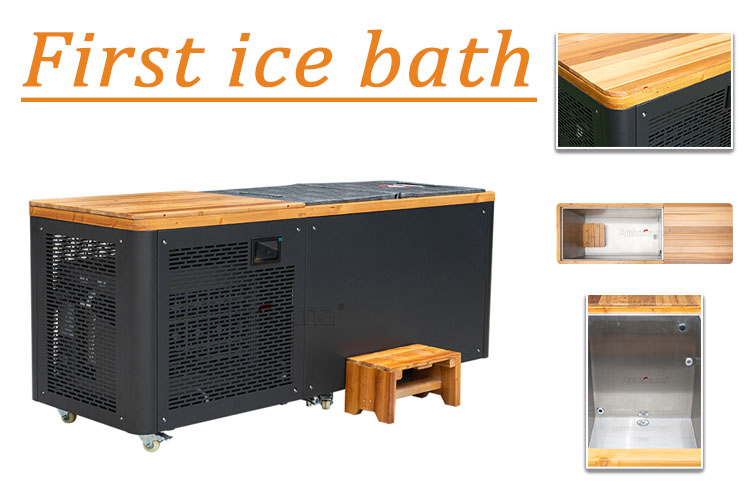
Taking an ice bath for the first time is a thrilling and exciting adventure, as the chill sweeps over you and puts your body on alert. For those of you who have no prior experience, you should acquaint yourselves with the pertinent knowledge regarding ice baths. The theme of this issue is "How long should you stay in your first ice bath?"
How long should a novice stay in the ice bath for the first time?
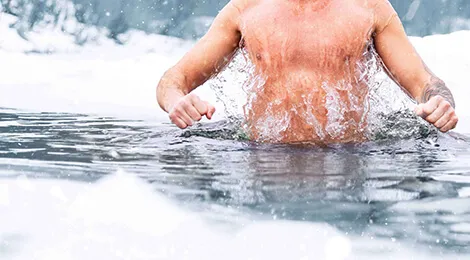
If you're health-conscious, whether you're a novice or a seasoned fitness aficionado, you likely have various approaches to enhancing your physical well-being. However, have you ever considered the benefits and precautions of both ice baths and hot water baths? In this edition, we'll delve into the nuances of ice bathing, exploring its health implications and essential considerations.
Should I take a hot shower after an ice bath?