


Cold Plunge Overview: What it is and why!
author: Tina
2022-12-05

Barrel Sauna | Square Sauna | Indoor sauna | Infrared Sauna | Wooden Hot Tub | Cold Plunge Tub | Wooden Bathtub | Sauna Accessories
Cold Plunge Overview: What it is and why!
A cold dip is when you completely immerse your body in water below 59 degrees Fahrenheit (15 degrees Celsius) up to your neck.
According to Dr. Susanna Soeberg, 59° F - two to four times a week for a total of 11 minutes - is enough to cause a measurable metabolic boost.

Her research on cold immersion was carried out on winter streamers. This means breaking the thermal barrier of moving water. This is different from a cold dip in still water (manger or bucket filled with ice) or a low float rate cold dip/ice bath/cold bath.
Another frame of reference to consider: You should cold dip at uncomfortably cold but safe temperatures. This is an important rule of thumb created by Dr. Andrew Huberman.
You have a unique cold tolerance. Think of cold exposure not as a competition, but as a way to develop insight, resilience, and experience cascading health benefits.
Some people are born with a high tolerance; Others naturally have a low tolerance.
If you are just starting out, start with higher temperatures and shorter durations. Identify your progress over time and identify your sweat points. Once you know your thresholds/limits, you can begin to explore different temperatures and times to improve your adaptability in cold weather.
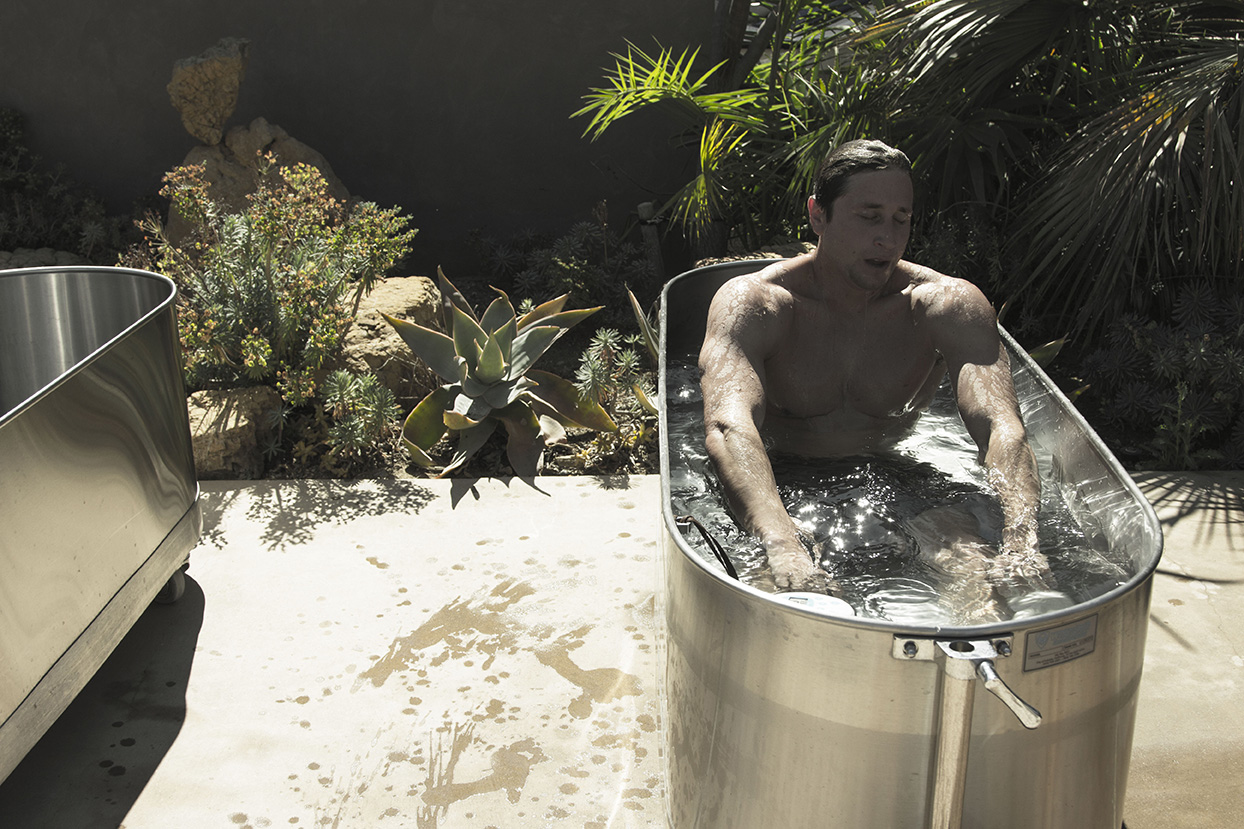
As Dr. SUSANNA SOEBERG points out
Cold bath/sauna session
Do two to four cold/ice baths/winter swims at 59 degrees Fahrenheit for 11 minutes per week. This is the minimum threshold for promoting metabolism and adipose Browning (mitochondrial uncoupling).
Sauna for 57 minutes two to three times a week.
Most literature on saunas recommends a minimum temperature of 180 degrees Fahrenheit.
Why is it cold to the neck?
Cold water immersed in the neck, completely immersed in the water, provided
A higher dose of cold exposure than a cold shower.
If you have the opportunity to do cold water diving, please do it in person
Know the difference between a submerged chin and a submerged shoulder. In addition
"And explore the difference between submerging your arm and submerging it
.
You will notice that immersing the neck and arms will increase strength.
Also, you can try
The head is completely submerged at the beginning and end of the cold jump. This can lead to
Your body undergoes further adaptation/adjustment in the cold environment.
Why cold dip?
Cold dipping is nothing new - for thousands of years, cultures around the world have treated cold exposure as
Part of the renewal ritual/protocol. What is missing is peer-reviewed science, emphasized
Cold Cut offers tremendous, multifaceted benefits.
Here's how the study started
List of revealed health benefits. Also, Youtube videos/articles
Highly educational for cold immersion/cold exposure.
• Boosts the immune system
• Improve cardiovascular health
• Alleviates Alzheimer's disease and dementia
• Increased testosterone
• Relief from arthritis
• Stabilizes blood sugar (increases insulin sensitivity) • Elimination
anxiety
• Address mental health
• Helps with longevity
• Speed up recovery times
• Reduces inflammation
• Eliminating depression
• Tap into feel-good hormones
• Makes skin and hair look radiant
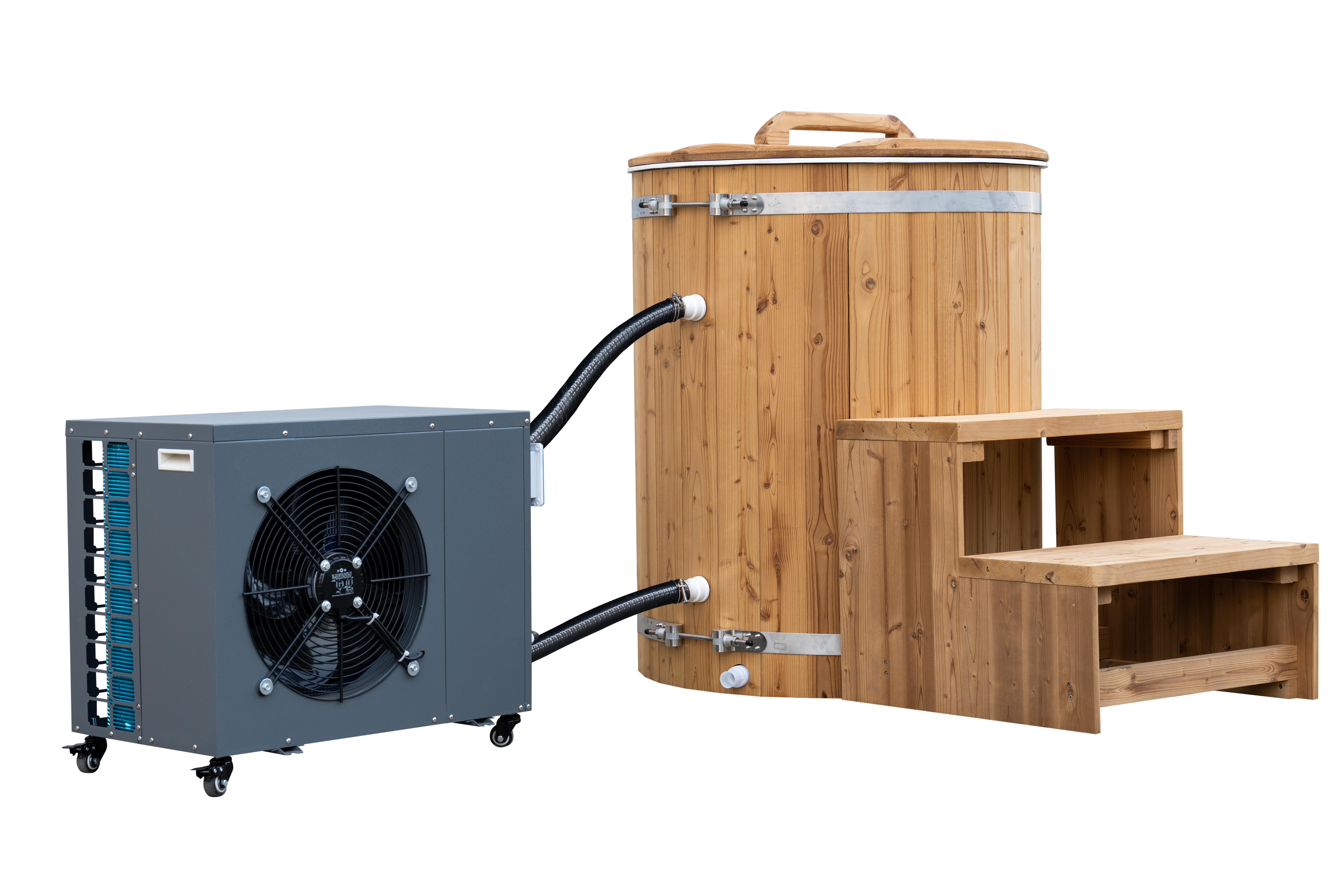
At what temperature and for how long should you chill?
Once you know your tolerance, changing the temperature and duration is very useful for keeping your body guessing at all times.
Think of changing temperature and duration as similar to changing weights, sets, and repetitions while exercising. The goal is to keep your body guessing and adapting to get the most out of it.
When Dr. Susanna Soeberg was asked about the optimal temperature and duration, her response was "The perfect temperature is changing it constantly."
Exercise, cold exposure (cold water rush), heat exposure (sauna), and intermittent fasting are all excitatory stressors. All of these protocols can provide the greatest benefits by changing your daily activities.
Japanese Wooden Soaking Tub,Japanese Wooden Soaking Tub manufacturer,Japanese Wooden Soaking Tub price
Japanese Wooden Soaking Tub,Japanese Wooden Soaking Tub manufacturer,Japanese Wooden Soaking Tub price
Japanese Wooden Soaking Tub,Japanese Wooden Soaking Tub manufacturer,Japanese Wooden Soaking Tub price
5 Benefits of ice bath
How to take an ice bath safely?
Related Article
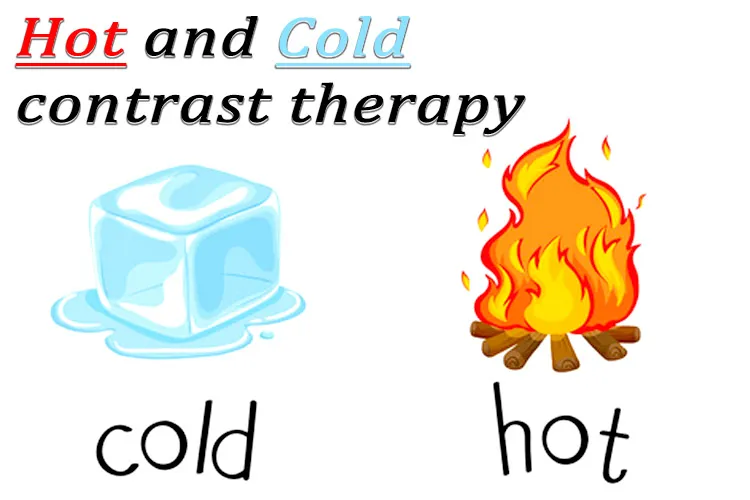
Both hot 、 ice baths can bring health benefits. What effect can be achieved by combining them? How does the alternating hot and cold shock feel to the body?
Take advantage of hot and cold contrast therapy
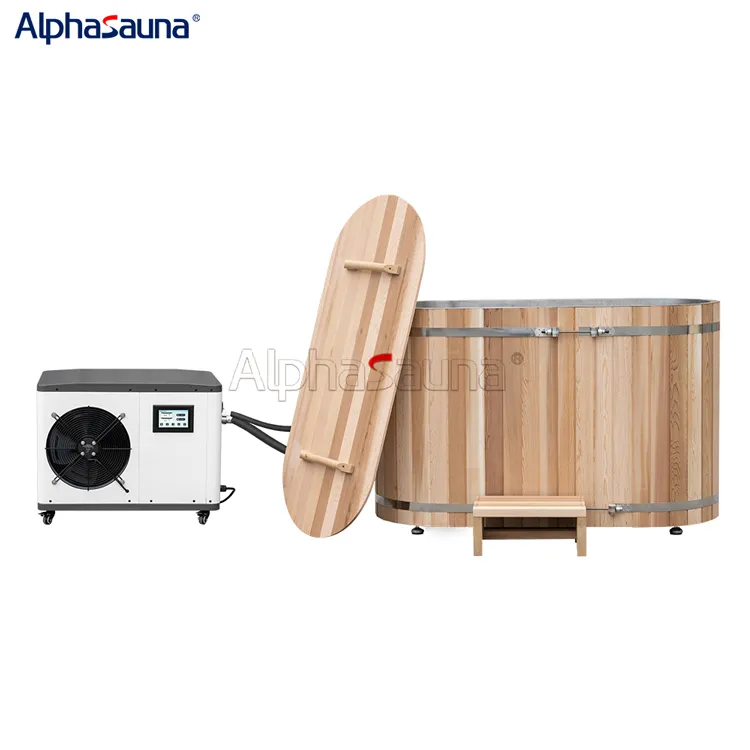
Are you interested in taking on the ice bath challenge? This guide explores different types of ice baths, their benefits, a beginner's guide to purchasing an ice bath, and much more. Join us and dive into the world of cold therapy!
Ice bath:A Must-Have Buying Guide for Beginners"
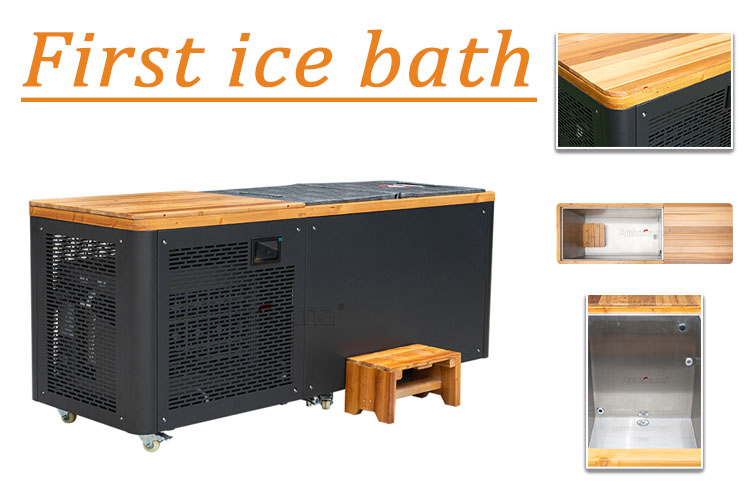
Taking an ice bath for the first time is a thrilling and exciting adventure, as the chill sweeps over you and puts your body on alert. For those of you who have no prior experience, you should acquaint yourselves with the pertinent knowledge regarding ice baths. The theme of this issue is "How long should you stay in your first ice bath?"
How long should a novice stay in the ice bath for the first time?
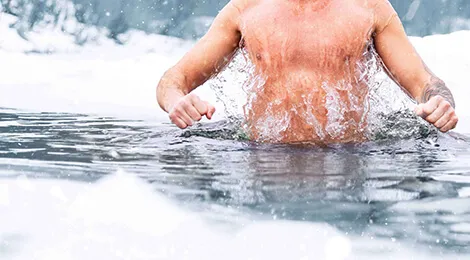
If you're health-conscious, whether you're a novice or a seasoned fitness aficionado, you likely have various approaches to enhancing your physical well-being. However, have you ever considered the benefits and precautions of both ice baths and hot water baths? In this edition, we'll delve into the nuances of ice bathing, exploring its health implications and essential considerations.
Should I take a hot shower after an ice bath?