


What is the difference between an ice bath and a cold shower?
author: Xin Rui
2024-04-02
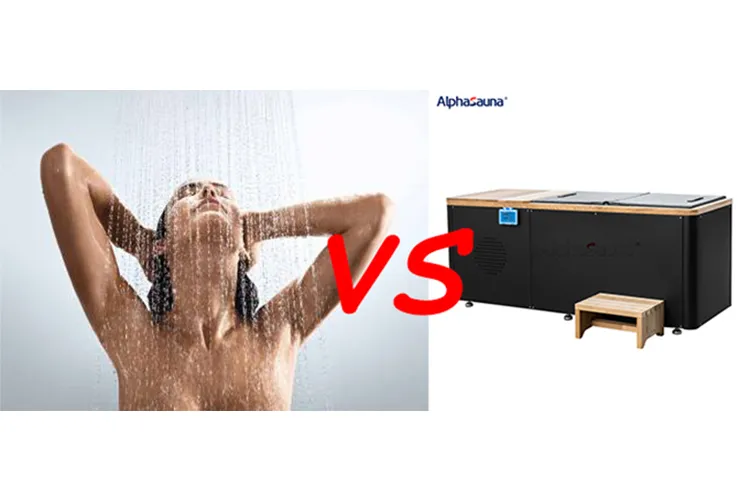
Showers and baths are indeed one of life's pleasures and are likely beneficial if hot water is avoided." Cold showers and ice baths, also known as 'cold therapy,' can aid in quicker body recovery.And long-term use of this method can also enhance the body's immunity."
What are cold showers and ice baths?
cold showers:
A cold shower involves using cold water instead of hot water during bathing. This practice is typically done to promote good health and boost immunity.
Ice bath:
An ice bath is a type of cold water therapy in which the body is fully immersed in ice-cold water and remains submerged for a period of time. It is frequently utilized by athletes and fitness enthusiasts.
What are the temperatures for cold showers and ice baths?
Cold shower temperature
cold shower typically range between 10°C -20°C. This temperature range can trigger the body's stimulating response to cold water without causing excessive discomfort or coldness.
Ice bath temperature
Ice bath temperature typically refers to the water being close to or below the freezing point, approximately between 0°C -15°C. Sometimes it may be even lower.
Benefits of Cold Showers and Ice Baths
Benefits of cold showers
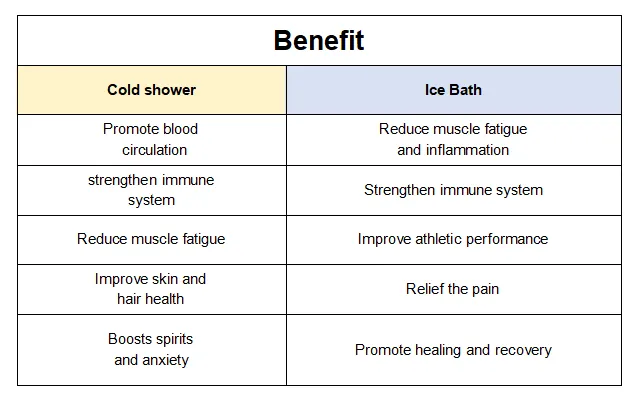
•Promotion of blood circulation
Cold water stimulates the contraction and expansion of blood vessels, increasing blood circulation speed, and promoting the transportation of oxygen and nutrients, as well as the removal of harmful metabolites.
•Strengthening the immune system
Cold water exposure may stimulate the immune system and increase the production of white blood cells.
•Reducing muscle fatigue:
Cold showers can alleviate muscle fatigue and soreness, and accelerate muscle recovery.
•Improving skin and hair health:
Cold water stimulates pore shrinkage and reduces sebum secretion.
•Mood enhancement and anxiety relief:
Cold water stimulation of the nervous system releases brain neurotransmitters, thereby boosting mood and relieving anxiety and stress.
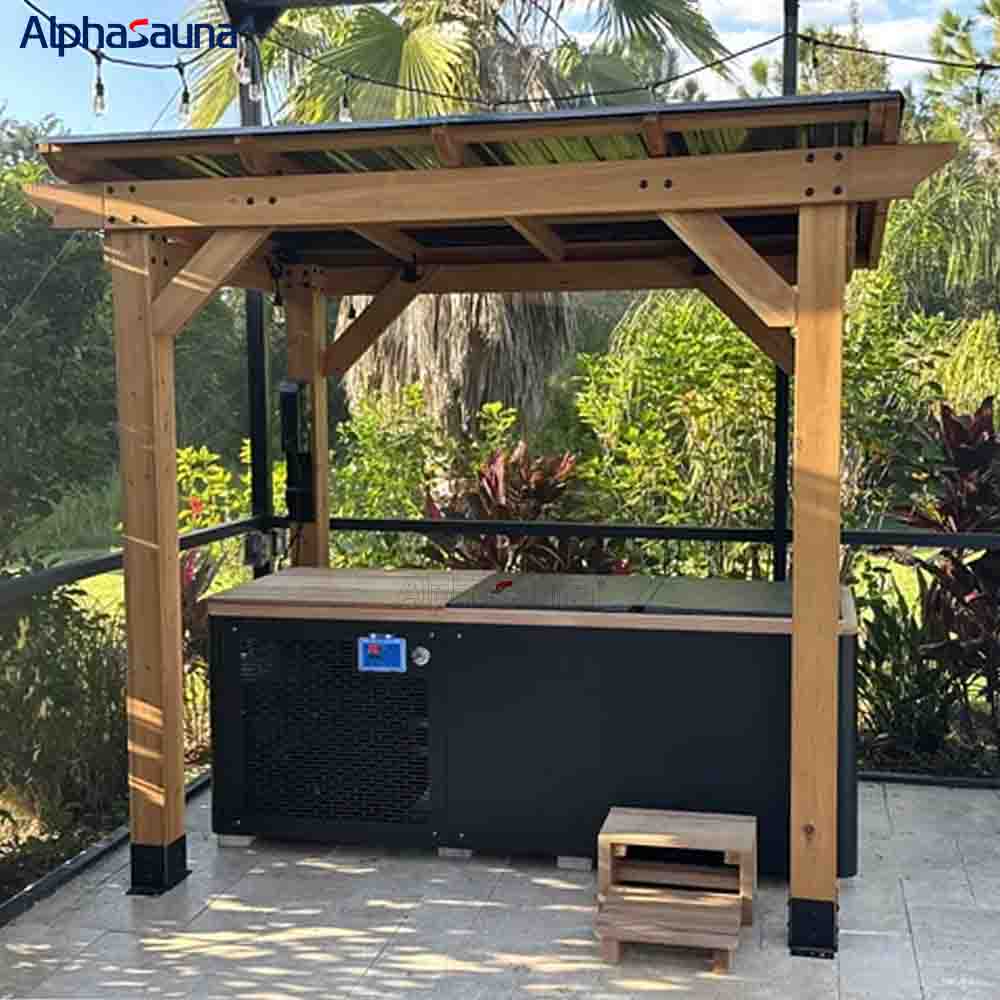
Benefits of ice bath
•Reduces muscle fatigue and inflammation
Cold water stimulation constricts blood vessels, reducing blood flow to muscles and consequently decreasing inflammation and muscle soreness.
•Promotes healing and recovery
Enhanced blood circulation and decreased inflammation enable nutrients and oxygen to reach damaged muscle tissue, facilitating recovery.
•Improved performance
Ice baths reduce muscle fatigue and enhance recovery rates, enabling athletes to improve their performance and reach their training goals more rapidly.
•Pain relief
Cold water can reduce nerve transmission and alleviate pain, exerting a certain effect on relieving joint pain, muscle pain, etc.
•Improvement of immune system function
Cold water exposure may stimulate the immune system and increase the production of white blood cells.
The difference between a cold shower and an ice bath is as follows
Temperature difference
Cold showers typically involve tap water showers, with temperatures generally ranging between 10-20 degrees Celsius.
Ice baths typically range from about 0-32 degrees Fahrenheit, and some people add ice cubes to achieve even lower temperatures.
Compared to cold showers, ice baths may be more effective for post-exercise recovery and reducing inflammat reducing inflammation.
Water coverage area:
Most showers are taken while standing, limiting the area covered by water. During an ice bath, your body is fully immersed in ice-cold water, allowing for a more thorough and even distribution of cold temperatures.
Cost and convenience
Cold showers are easy to implement, whether at home or outdoors. No additional equipment is required, and typically only the cost of water is needed.
Ice baths require a larger container or bathtub, as well as ice cubes, making subsequent costs relatively high.
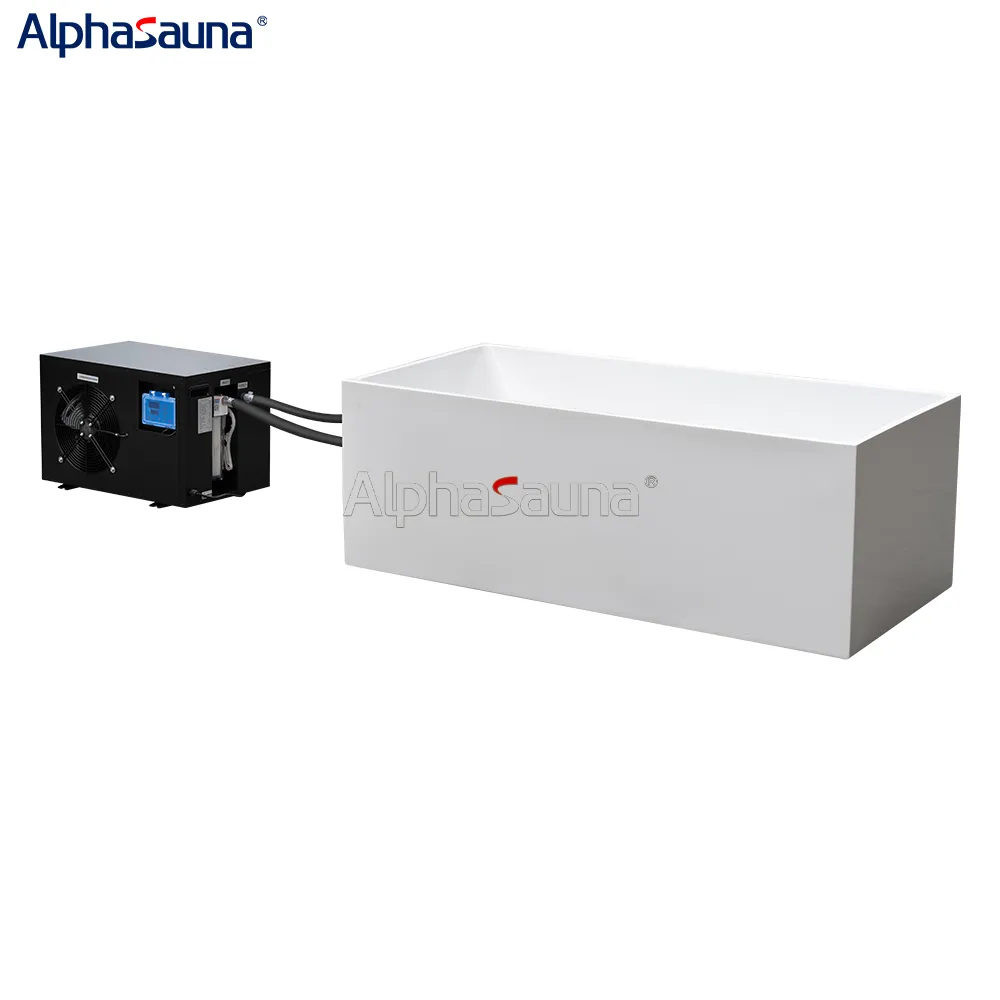
Of course, you can also invest in a chiller with an ice bath feature, which not only saves you the cost of purchasing ice cubes later, but also allows you to experience the pleasure of cold immersion.
Related questions
•Which is better, a cold shower or an ice bath?
Both forms of cold water therapy offer numerous health benefits. However, an ice bath involving full-body immersion is typically more intense compared to a cold shower. It is often preferred for reducing inflammation and aiding in post-exercise recovery. Nevertheless, the choice between an ice bath and a cold shower ultimately depends on personal preference. Additionally, it's important to start slowly and gradually adapt according to your individual health needs.
•How often should you take cold showers and ice baths?
Decide to use cold water showers and ice baths based on your own health. It is generally recommended to do so about 1-3 times a week, depending on your physical condition and adaptability to cold water therapy. However, there may be specific circumstances where one method is more appropriate than the other.
The situations introduced below can serve as a reference for your choice of cold therapy method:
1:If you want to integrate cold therapy into your daily routine, cold showers may be more suitable. Not only is it convenient to use, but it also offers similar benefits to an ice bath.
2:If you aim to improve your skin and hair health, cold showers can help tighten pores, reduce oil secretion, and enhance the overall health of your skin and hair.
3:If you aim to develop mental toughness, an ice bath may be a better choice. Enduring the cold can be a highly challenging experience, symbolizing courage and perseverance.
4:If you are an athlete or fitness enthusiast seeking to reduce inflammation and promote blood circulation to facilitate faster muscle healing and recovery, an ice bath may be more suitable for you.
•Can I take a cold bath or ice bath when I'm sick?
Although cold therapy brings various benefits to our bodies, if you intend to use it while you are sick, be sure to consult your doctor first. Because the body is already under stress due to illness, cold therapy will also impose new stress, potentially exacerbating the condition. Individuals with medical conditions such as heart disease or respiratory infections should be especially careful.
•How long does it take to take an ice bath?
The temperature of an ice bath is typically lower than that of a cold shower. It is recommended to soak for around 15 minutes while being mindful not to exceed the body's limits.("Do not exceed 15 minutes, as it may put stress on your body.")
•Precautions before and after cold water therapy:
1:If you are a novice, you should start slowly. Begin by exposing your body to cold water for a short period of time, then gradually adapt and extend the duration of use.
2:Focus on breathing exercises. Cold water therapy may cause discomfort, so take a deep breath to prepare yourself. Maintain gentle breathing to stay calm and relaxed throughout the process.
3:Pay attention to your body's signals. If you experience discomfort or pain during cold therapy, it's important to stop and allow your body to recover.
4:You need to replenish water before and after cold water therapy to ensure that the body stays hydrated and to prevent discomfort.
5:After cold water therapy, dry your body with a towel, put on clothes, and engage in some suitable exercises to help your body regain its normal temperature.
Ten million to pay attention to these key points about ice bath chillers
Do Ice Baths Help With Loose Skin?
Related Article
Both hot 、 ice baths can bring health benefits. What effect can be achieved by combining them? How does the alternating hot and cold shock feel to the body?
Take advantage of hot and cold contrast therapy
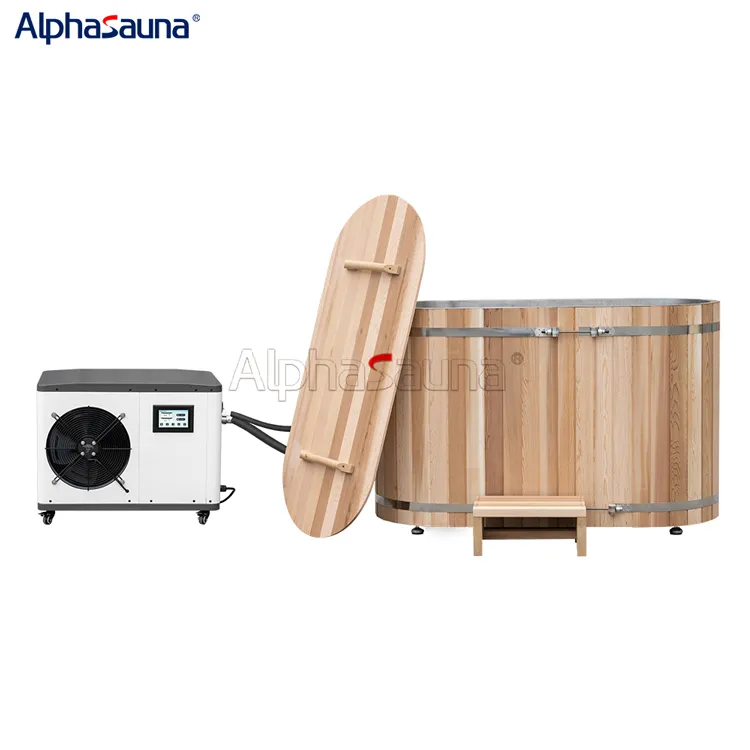
Are you interested in taking on the ice bath challenge? This guide explores different types of ice baths, their benefits, a beginner's guide to purchasing an ice bath, and much more. Join us and dive into the world of cold therapy!
Ice bath:A Must-Have Buying Guide for Beginners"
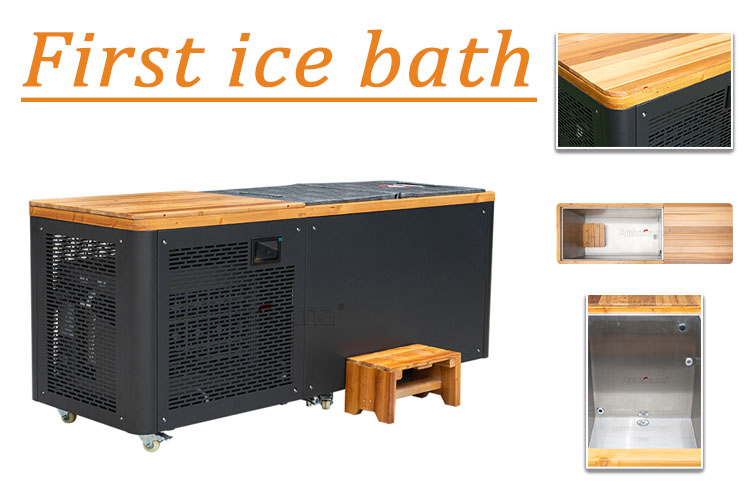
Taking an ice bath for the first time is a thrilling and exciting adventure, as the chill sweeps over you and puts your body on alert. For those of you who have no prior experience, you should acquaint yourselves with the pertinent knowledge regarding ice baths. The theme of this issue is "How long should you stay in your first ice bath?"
How long should a novice stay in the ice bath for the first time?
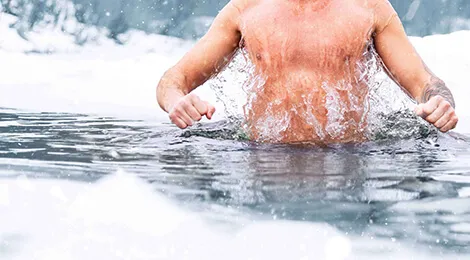
If you're health-conscious, whether you're a novice or a seasoned fitness aficionado, you likely have various approaches to enhancing your physical well-being. However, have you ever considered the benefits and precautions of both ice baths and hot water baths? In this edition, we'll delve into the nuances of ice bathing, exploring its health implications and essential considerations.
Should I take a hot shower after an ice bath?