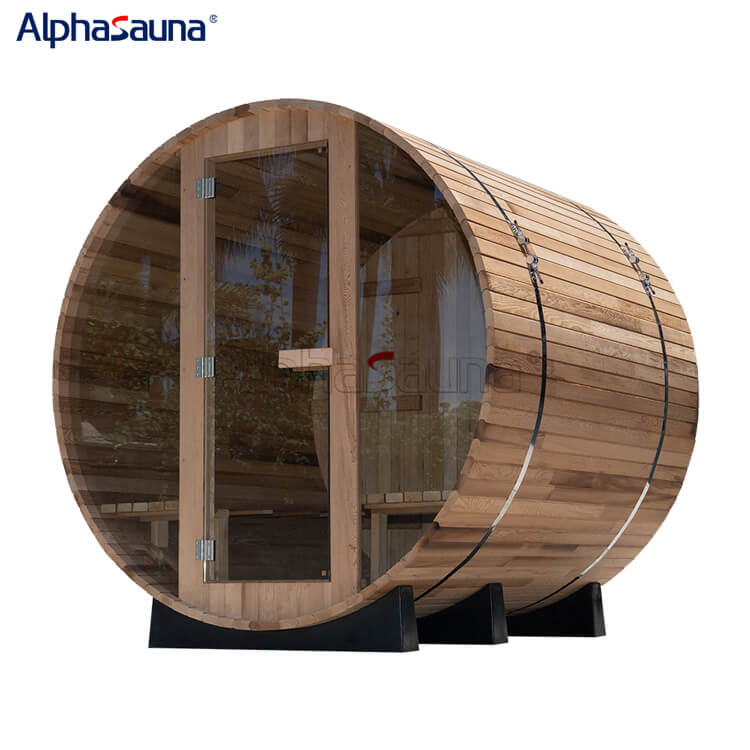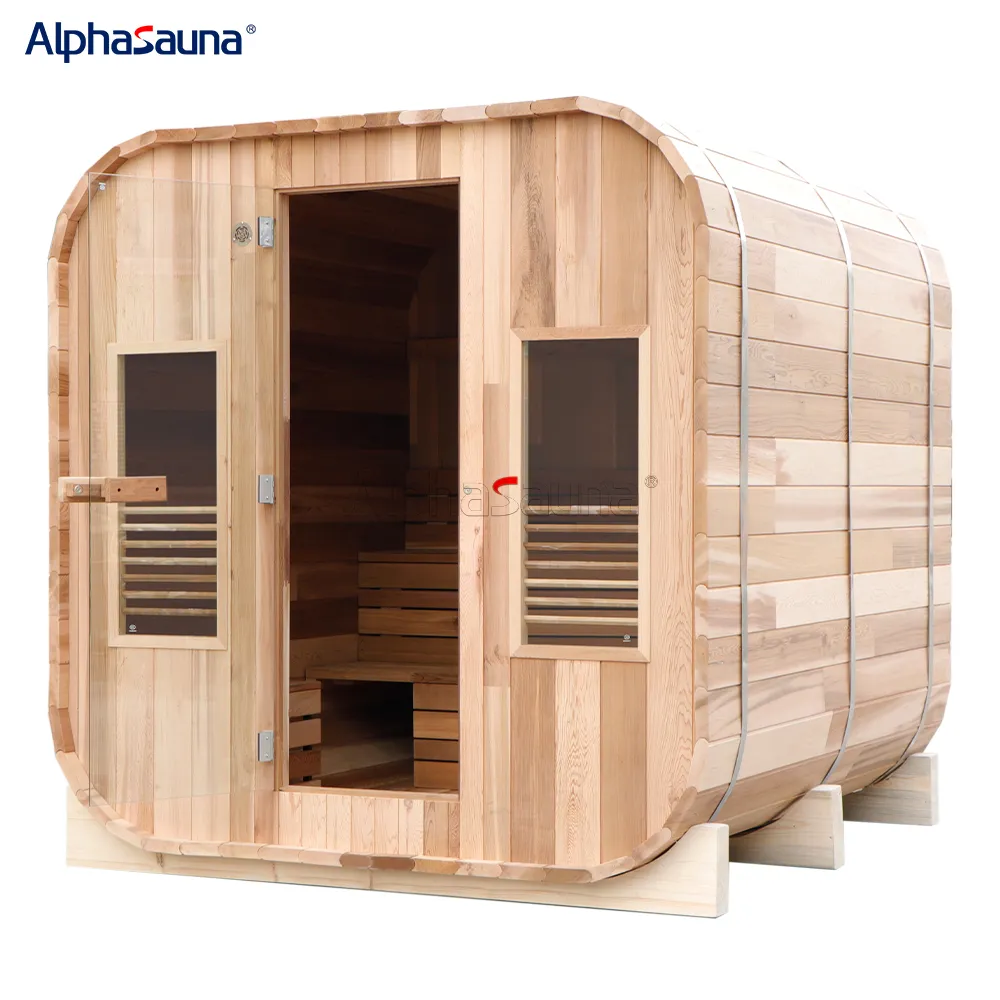
How much does an infrared sauna cost?
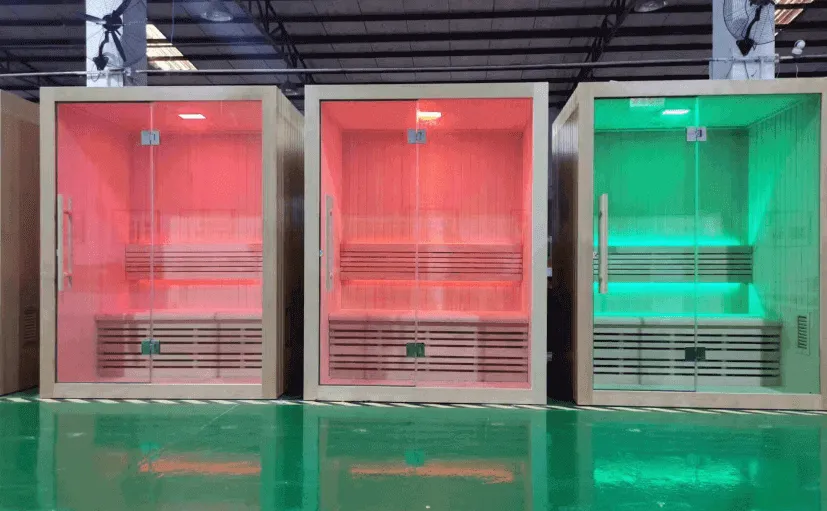
How much does an infrared sauna cost?
Saunas originated in the Nordic region, particularly in Finland, where they have a long history. The winters in the Nordic region are extremely cold, prompting people to use high temperatures to warm themselves, giving rise to the practice of saunas. Traditional saunas in ancient times typically featured wooden structures and heated stones to generate steam. With the development of electric technology, electric sauna stoves were introduced in the early 20th century. In the mid-20th century, infrared technology was introduced into the medical and health fields. Because infrared rays have penetrative properties and can directly warm the interior of the human body, this technology was also incorporated into saunas, leading to the emergence of infrared saunas.
How much does an infrared sauna cost?
The emergence of infrared saunas has gained increasing popularity among people. The price of infrared saunas has also attracted considerable attention, as many individuals assess whether the cost-effectiveness surpasses that of traditional saunas. After conducting some research on infrared saunas, here are some data:
Home Infrared Saunas:
Entry-level desktop or foldable models: approximately $200 - $800.
Mid-range home models: around $800 - $2,500.
High-end models: $2,500 and above.
Commercial Infrared Saunas:
Small commercial saunas: approximately $2,000 - $8,000.
Large commercial saunas: $8,000 and above.
Freestanding Infrared Saunas:
Specifically designed standalone structures for infrared saunas typically range in price from $1,000 to $3,000, depending on size and features.
The pricing of infrared saunas varies based on factors such as brand, model, region, size, and additional features. Generally, prices can range from a few hundred dollars to several thousand dollars. The provided price ranges are approximate, and the specific prices will depend on what each individual vendor offers.
How hot do infrared saunas get?
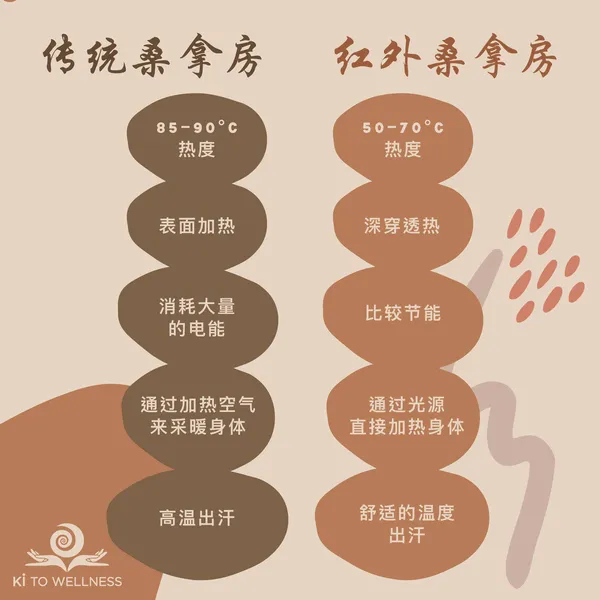
Infrared saunas operate at relatively lower temperatures compared to traditional steam saunas. Unlike traditional steam saunas that generate steam by heating stones, infrared saunas heat the body by emitting infrared radiation, resulting in lower temperatures. In an infrared sauna, the temperature typically ranges between 49°C to 65°C, which is relatively low but sufficient to induce relaxation and comfort, providing a fulfilling sauna experience.
Because infrared saunas heat the body by radiating directly into our bodies, elevating internal body temperature, they bring about effects such as relaxation, improved blood circulation, and relief from muscle fatigue. Compared to traditional saunas, not only are the temperatures lower, but the moderate warmth allows for a comfortable sauna experience without the need to endure extremely high temperatures. Infrared saunas focus on creating a gentler and more comfortable sauna environment, making sauna experiences more accessible and enjoyable. This is particularly suitable for those who cannot tolerate or endure the high temperatures of traditional saunas.
How to use infrared sauna
Using an infrared sauna is relatively straightforward compared to traditional saunas. Here are some steps and precautions for using an infrared sauna:
1. Preparation Phase:
Ensure proper ventilation for air circulation.
Ensure there are no flammable or explosive materials around the equipment.
2. Attire:
Typically wear lightweight clothing to allow direct contact and penetration of infrared radiation into the skin.
Avoid wearing excessive or tight-fitting clothing.
3. Hydration:
Continuous sweating during sauna sessions may lead to dehydration. Rehydrate not only during the sauna but also before and after to prevent dizziness, nausea, and dehydration.
4. Rest and Relaxation:
During the sauna, relax, meditate, close your eyes, or listen to music to facilitate a quicker entry into a relaxed state, enhancing the sauna's effects for a comfortable mind and body.
5. Adaptation and Adjustment:
After the sauna, sit calmly for a while to allow the body to cool down gradually.
Slowly exit the sauna to avoid dizziness or fainting. Do not stay in the sauna for an extended period to prevent discomfort.
6. Equipment Cleanup:
Turn off the infrared sauna equipment and clean it according to the instructions to ensure it's ready for the next use.
Precautions:
Follow the manufacturer's instructions strictly to ensure safe and effective usage.
If there are health concerns or chronic conditions, consult a doctor to determine whether infrared sauna use is suitable.
Always adhere to safety guidelines and recommended practices for using infrared saunas.
How to build an infrared sauna?
1. Planning and Design:
Determine the location and size of the sauna room.
Specify the dimensions and layout of the sauna room, ensuring adequate ventilation and sufficient space for installation.
2. Material Selection:
Purchase wood that meets construction requirements, typically using materials like pine or redwood for sauna construction.
Alternatively, choose high-temperature-resistant and moisture-resistant materials suitable for saunas, such as infrared-transparent glass or specially treated wood. Avoid materials that may compromise the lifespan of the sauna.
Select heating elements suitable for infrared saunas, ensuring they meet safety and performance standards.
Choose materials of high quality to avoid the release of harmful substances and odors during usage.
3. System Installation:
Choose and install the infrared heating system, with qualified electricians handling the electrical components.
Install a ventilation system to ensure proper air circulation within the sauna room.
4. Safety Considerations:
Install safety features such as emergency exits, fire alarm systems, etc., ensuring a safe exit during emergencies.
After construction, perform regular maintenance to ensure the proper functioning and extended lifespan of the equipment.
5. Interior Decoration:
Prepare for sauna room decoration, including seating and lighting, using moisture-resistant and rot-resistant materials suitable for sauna environments.
6. Testing and Adjustment:
Conduct testing and adjustments after assembly to ensure proper functioning before use.
Notes:
Due to the unique characteristics of infrared saunas involving electricity and high temperatures, it is advisable to engage professional architects, electricians, and technical personnel in the design and construction process. This ensures compliance with safety standards and building regulations, guaranteeing a safe and comfortable environment during use and enhancing overall safety.
Is infrared sauna good for a cold?
As widely known, saunas offer numerous benefits to the human body. However, is an infrared sauna good for a cold?
An infrared sauna may have some positive effects in alleviating cold symptoms to a certain extent, but it should not be considered a treatment for a cold. Infrared saunas primarily function by generating infrared radiation to heat the body, thereby promoting blood circulation, muscle relaxation, and increased metabolism. When dealing with a cold, it's essential to employ appropriate methods for relief. Here are some methods and recommendations:
Temperature Elevation:
Infrared saunas use radiation to heat the body, potentially triggering a natural antiviral response similar to the body's reaction during a fever.
Circulation Promotion:
Infrared saunas can stimulate blood circulation, increase blood volume, and enhance the activity of the immune system, accelerating the body's recovery.
Muscle Pain Relief:
Infrared saunas can alleviate muscle pain and joint discomfort, providing relief for muscle pain and joint discomfort caused by a cold.
Boosting the Immune System:
Moderate heat therapy may stimulate the immune system, contributing to enhanced immunity. The sauna's temperature and humidity may also help alleviate respiratory discomfort symptoms, such as nasal congestion and coughing.
Precautions:
Ensure proper hydration throughout the sauna session to prevent dehydration.
Pay attention to rest and avoid excessive exhaustion.
Be mindful of your body's condition and health throughout the sauna session. If any discomfort arises, exit the sauna immediately, as individual reactions to infrared saunas vary.
It is crucial to stay hydrated, avoid dehydration, and take breaks to prevent excessive fatigue during the sauna session. Additionally, constant awareness of your body's condition is essential, and if any discomfort arises, it is advisable to leave the sauna promptly, as individual responses to infrared saunas can vary.
How long should you stay in an infrared sauna?
There is no specific time duration prescribed for the use of an infrared sauna; it should be determined based on individual factors such as physical condition, tolerance, health status, and personal comfort. Generally, sauna sessions typically range from 15 to 45 minutes. Here are some recommendations and precautions:
First-time Use:
For first-time users of an infrared sauna, start with a short sauna session and gradually increase the duration as you acclimate. If there are no issues, you can extend the time to around 30 minutes.
Maintain Hydration:
Regardless of the sauna duration, it is essential to stay hydrated before, during, and after the sauna session to prevent dehydration.
Monitor Body Condition:
If you experience dizziness, fatigue, nausea, or any other discomfort, exit the sauna immediately, rest, and avoid prolonged stays in the sauna.
Medical Advice:
For elderly individuals, pregnant women, those with chronic illnesses, or other health concerns, consulting a doctor before using the sauna is advisable. This ensures the safety of infrared sauna use for their health.
In summary, regardless of the type of sauna, the duration should be personalized based on individual conditions. Avoid prolonged and indiscriminate sauna sessions to prevent symptoms like dizziness, fatigue, or nausea. Seeking medical advice before sauna use is recommended to ensure its safety for individual health.
How many calories do you burn in an infrared sauna?
Infrared saunas operate by radiating heat into the body, transmitting temperature, promoting blood circulation, and thereby inducing metabolism, which, to a certain extent, results in a calorie expenditure. However, this calorie expenditure is minimal, so relying on saunas for calorie reduction is not realistic. The calorie burn in an infrared sauna is influenced by individual factors, health conditions, sauna temperature, and duration of stay.
While infrared saunas do not directly burn calories, they elevate the temperature, prompting the body to undergo a series of physiological responses that consume energy. Sweating in an infrared sauna, for instance, is a process similar to mild aerobic exercise. According to estimates, sauna use for 30 to 45 minutes may lead to an energy expenditure of approximately 300 to 500 calories.
It's crucial to note that the calorie burn in an infrared sauna is affected by individual constitution, health status, sauna temperature, and duration, and it should not be considered a primary method for significant calorie reduction.
How to clean an infrared sauna?
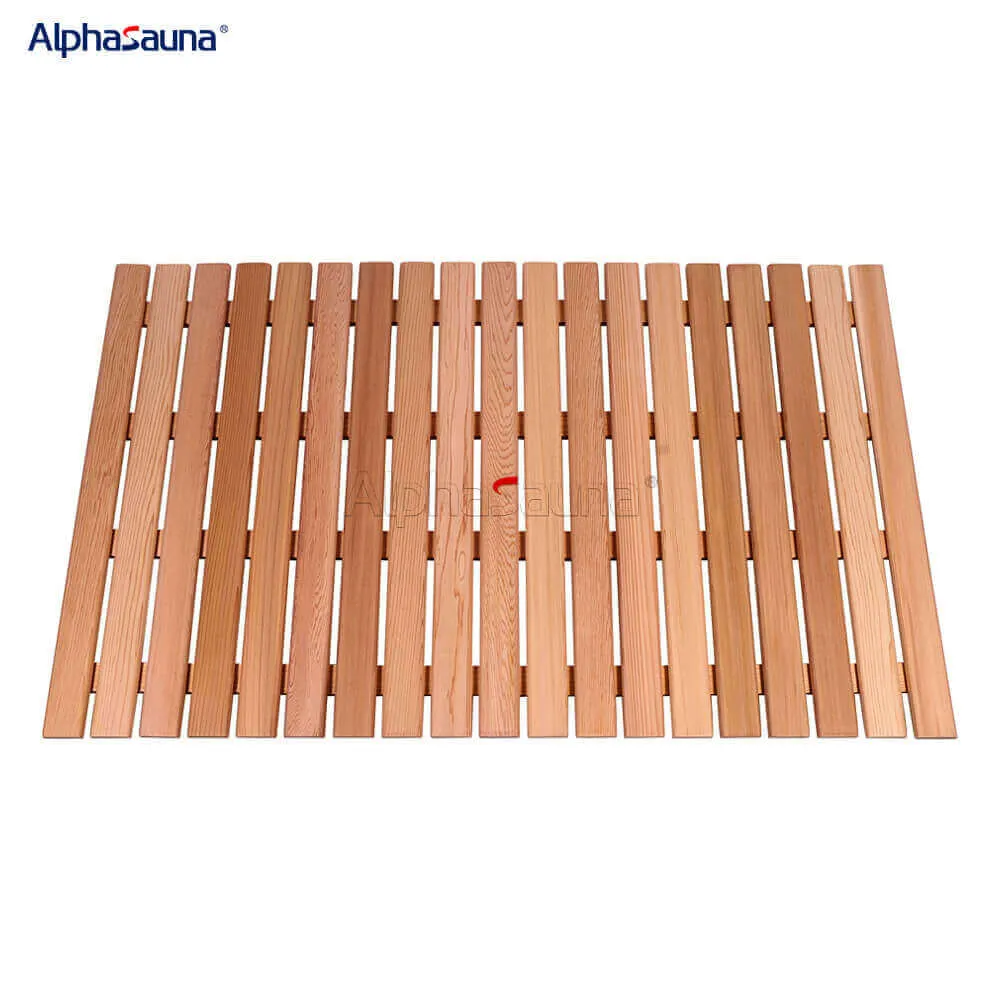
Many people have concerns about this issue, as improper cleaning and maintenance can easily reduce the lifespan of an infrared sauna. Here are some suggestions for cleaning an infrared sauna:
Ensure Safety:
Before cleaning the sauna, disconnect all power sources and allow the equipment to cool to prevent accidents.
Clean the Interior:
Use a mild, non-irritating cleaner and a soft cloth to wipe the surfaces and seats inside the sauna. If the sauna has a glass door, use a glass cleaner suitable for the glass to ensure a thorough cleaning. Wipe the floor with a damp cloth to remove dust and dirt.
Wooden Materials:
If the sauna has a wooden structure, use a specialized wood cleaner to prevent damage to the wood from other cleaning agents, maintaining the cleanliness and preservation of the wooden surface.
Towels and Seat Cushions:
Regularly clean towels and seat cushions to prevent bacterial growth.
Ventilation System:
Ensure clean ventilation openings to maintain air circulation. Keep the interior dry to prevent the growth of bacteria and mold.
Regular Inspection:
Periodically inspect all parts of the sauna and promptly address any issues to ensure everything is in proper working order.
These are partial recommendations, and before cleaning, it's essential to refer to the sauna's user manual to understand the specific cleaning and maintenance methods provided by the manufacturer.
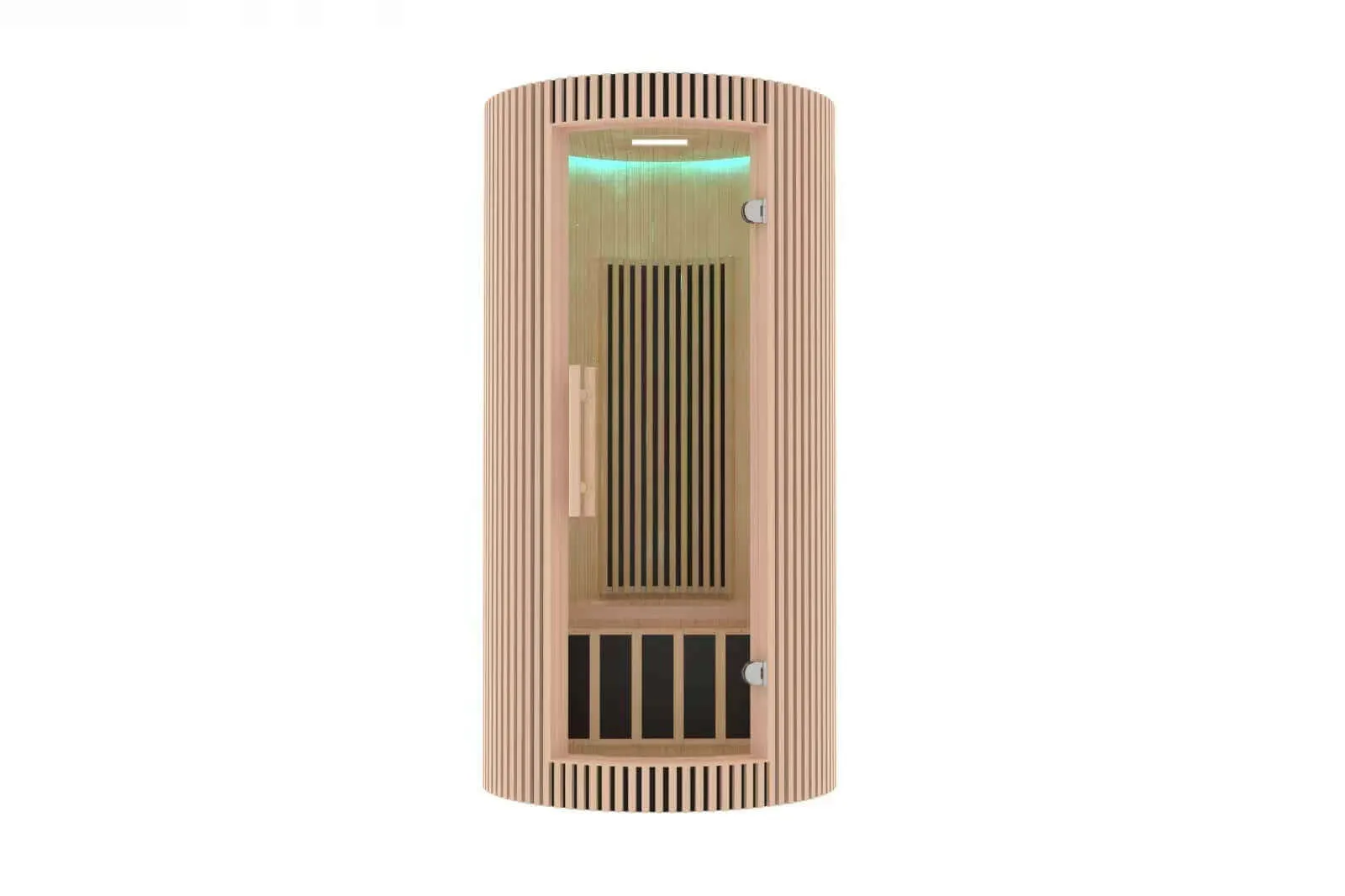
Summary: Infrared saunas, with their uniquely straightforward heating method, bring numerous health benefits. Infrared saunas can warm the body from the inside, promote blood circulation, contribute to relaxation, alleviate stress, and soothe fatigue. They notably aid in relieving joint and muscle pain, promote physical relaxation, reduce stress, thereby improving the quality of sleep. Additionally, infrared saunas help cleanse pores, leaving the skin more radiant and enhancing overall skin quality. The benefits of infrared saunas are extensive, inviting us to explore the world of infrared sauna together!
Can Cold Plunge Help with Weight Loss?
How Hot do Infrared Saunas Get?
Related Article