Are Hot Tubs Worth It?
Are hot tubs worth it?
Are hot tubs worth it?
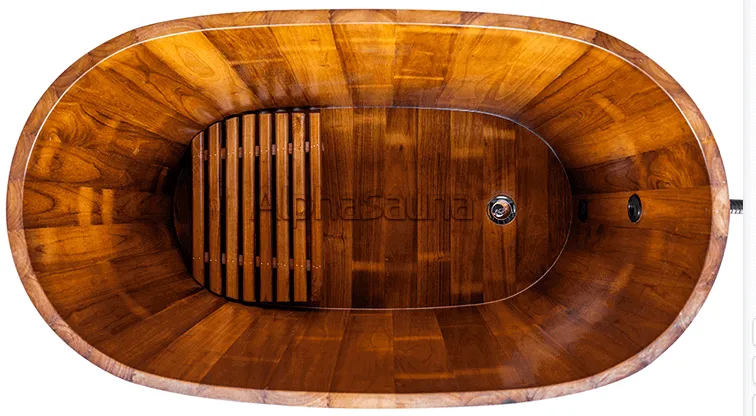
A hot tub is a luxury rather than a necessity, providing a source of self-indulgence and fatigue relief. Therefore, whether it's worth buying depends on individual preferences. For those who truly enjoy the pleasures of hot water bathing, a hot tub is undoubtedly a worthwhile investment. Here are some factors to consider when deciding whether a hot tub is worth purchasing:
Relaxation and Comfort: A hot tub offers a relaxing and comfortable environment, making it a worthwhile purchase for those who thoroughly enjoy at-home spa experiences. The warmth of the water can help alleviate muscle tension and reduce stress.
Health Benefits: Hot water baths can be beneficial for certain health issues such as arthritis and muscle pain. Additionally, they contribute to mental relaxation and stress relief, providing benefits for both the body and mind.
Social and Entertainment Value: Hot tubs have become a social activity, offering a comfortable and relaxing space for quality time with family and friends. Enjoying the pleasures of bathing in the company of loved ones can be a delightful and entertaining experience.
Energy Costs: Consider the ongoing costs associated with maintaining a hot tub, including energy consumption. It's essential to evaluate whether the potential energy costs align with your budget and capabilities.
Space and Installation: Hot tubs require sufficient space, and the installation process involves certain expenses. Ensure you have enough space and can afford the associated costs before making the decision to purchase.
Maintenance Costs: Regular maintenance, including cleaning and water quality management, is necessary for hot tubs. Additional costs may arise from purchasing chemicals for maintenance or repairing damaged accessories.
In conclusion, if you have a genuine interest in enjoying spa experiences at home and possess the budget to afford the purchase, installation, and maintenance of a hot tub, it can be a worthwhile investment. However, if you lack significant interest or face financial constraints, purchasing a hot tub may not be deemed as cost-effective. It's crucial to make a well-informed decision based on individual needs and financial considerations.
How long does it take to heat a hot tub?
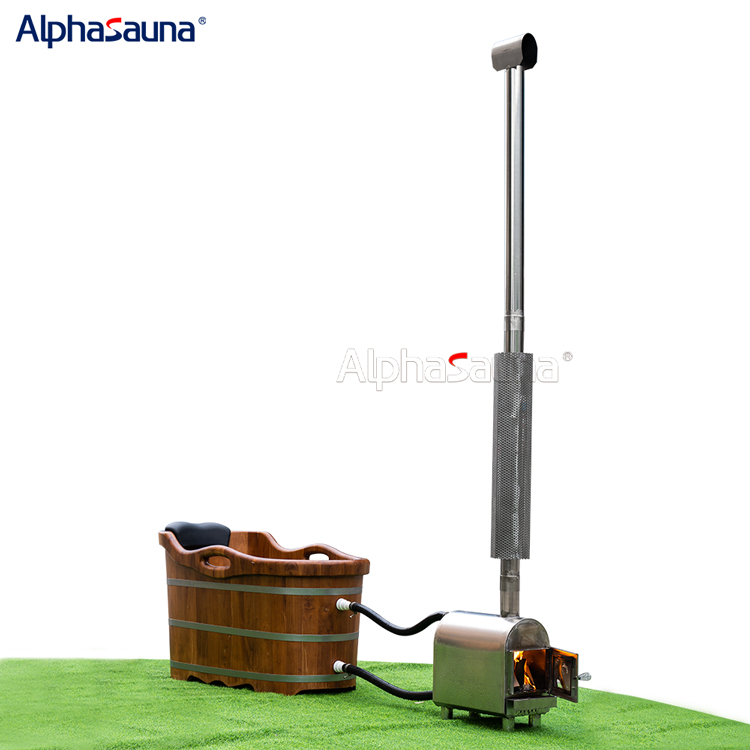
The heating time of a hot tub depends on various factors, including the size of the tub, the heating system's power, initial temperature, surrounding environment, and more. Here are some factors that can influence the heating time:
Tub Size: The larger the tub, the more water it can hold, requiring a longer heating time.
Heating System Power: Systems with higher power can heat water more quickly, and some hot tubs come with a rapid heating feature.
Initial Temperature: Starting with a higher initial temperature will result in a longer heating time, while a lower initial temperature will require more time for heating.
Surrounding Environment: Warmer surroundings will lead to shorter heating times, while colder environments will extend the time needed for heating.
Heating Element Condition: Regular maintenance and cleaning of the heating elements contribute to their proper functioning, ensuring the heating system works efficiently and improving heating performance.
Before purchasing a hot tub, it is essential to understand the heating capabilities of the product. It is advisable to consult the product's manual or inquire with the vendor to obtain information on the heating time of the hot tub you are considering.
Why does my hot tub foam when jets are on?
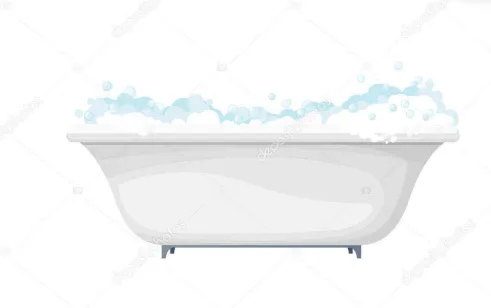
The reasons for the formation of foam in the hot tub when the jets are turned on include:
Residual Cleaning Agents or Soap: If cleaning agents have been recently used in the hot tub and not thoroughly rinsed, it can lead to foam when the jets are turned on. Excessive use of soap or other bathing products that are not adequately rinsed can also contribute to foam. It is essential to ensure thorough rinsing of the body after bathing and to rinse the hot tub thoroughly after using cleaning agents to minimize residue.
Water Quality Issues: High mineral and impurity content, such as magnesium and calcium, in the water can chemically react with water or bath products, resulting in foam.
High Water Pressure: Excessive water pressure, especially during entry into the bathtub, can create a forceful impact with the water surface, leading to foam formation.
Pipeline Issues: Presence of foreign substances or residues from bathing products in the pipelines can react with water, forming foam.
To address these issues, the following measures can be taken:
Thoroughly Clean the Tub: Perform a comprehensive cleaning of the hot tub, including the pipelines, to prevent any residual substances.
Check Water Quality: Measure parameters such as water hardness and pH. If water quality is suboptimal, consider improving it by installing water quality improvement devices or water softeners.
Adjust Water Pressure: If water pressure is too high, attempt to adjust it. If the issue persists, seek advice from relevant experts.
Install Filters: Install filters in the pipelines to filter out impurities and prevent them from accumulating in the pipes. If these measures do not resolve the issue, seeking assistance from professionals may be necessary.
How long can you be in a hot tub?
The duration one can spend in a hot tub is influenced by various factors such as individual preferences and environmental conditions. Here are some recommendations regarding the duration of time spent in a hot tub:
Individual Differences: Generally, the temperature of a hot tub should be between 37°C to 40°C, providing a comfortable experience for most people. However, individuals may have varying preferences, with some finding this temperature not hot enough and opting for prolonged heating, leading to extended soaking. It's important to note that some individuals may not be suitable for extended stays in a hot tub, as prolonged immersion in hot water can contribute to dry skin.
Health Conditions: People with health issues such as heart problems, low blood pressure, or other conditions should avoid prolonged stays in a hot tub. Additionally, paying attention to the body's response is crucial. If symptoms such as dizziness, nausea, or fatigue occur, it's advisable to exit the hot tub immediately to prevent fainting or other adverse reactions.
Hydration: Extended periods in a hot tub can contribute to dehydration, so it's not recommended to stay in the hot tub for too long.
Environmental Factors: If the surrounding environment is cold, the water temperature in the hot tub is likely to decrease more rapidly, making it unsuitable for prolonged stays.
The duration each person can spend in a hot tub varies, and it's important to decide based on individual conditions and the surrounding environment. If there are any health concerns or discomfort, it's crucial to cease hot tub use promptly, move to a well-ventilated area, and, most importantly, listen to one's own body.
How many amps does a hot tub use?
Under usual circumstances, the use of a hot tub does not involve direct amperage measurement but rather concerns power and voltage. Generally, the purchased product will explicitly state the numerical value of the power. If more detailed information is needed, one can refer to the product manual or inquire with the seller for a comprehensive understanding. The power of hot tubs varies based on the model and manufacturer, typically ranging from 1500 watts to 7000 watts. Regular models are approximately 1000 watts to 2000 watts; mid-range models are around 2000 watts to 2500 watts, and high-end models range from about 2500 watts to 3000 watts.
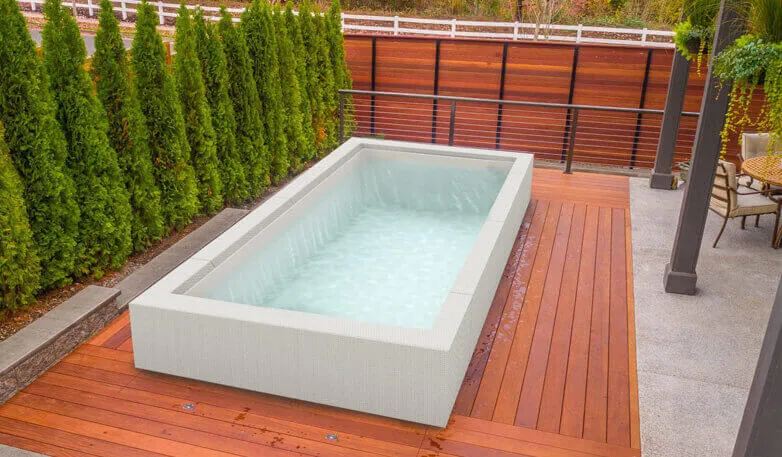
How to build a deck for a hot tub?
Building a deck for a hot tub is a project that requires certain construction skills. If you lack sufficient construction experience, it is advisable to seek the assistance of professionals for the construction. Below are some basic steps you can refer to:
Site Selection: Choose a flat and sturdy location as the foundation for the hot tub. Ensure that the ground can support the weight of the hot tub and water.
Design: Design the shape and dimensions of the deck to withstand the weight of the hot tub, water, and occupants.
Measurement and Marking: Measure and mark the dimensions and shape according to your design.
Material Preparation: Based on the design, gather the necessary wood and other accessories.
Construction: Assemble the prepared wood and accessories, ensuring structural integrity.
Waterproofing Treatment: Apply waterproof and moisture-resistant coatings to the surface of the wood to prevent moisture absorption.
Placement of the Tub: Place the hot tub on the deck and assess its suitability.
Testing and Adjusting: If adjustments are needed, modify accordingly based on requirements.
The above steps are provided for reference only. Constructing a deck for a hot tub involves specialized knowledge. If you have no knowledge of construction, structural safety, and water and electrical connections, it is highly recommended to seek the assistance of qualified professionals to ensure both quality and safety.
When is the best time to buy a hot tub?
Hot tubs offer different advantages in various seasons, so purchasing one at any time of the year has its own merits, primarily depending on individual needs. Here are some suggestions:
Sales Events: Often, businesses host promotional events during specific seasons or holidays. Purchasing during these times may yield more discounts, providing a more favorable deal on the hot tub.
New Model Releases: When retailers introduce new product models, they might discount older models to clear inventory. Therefore, buying before or after a new product release can be cost-effective.
Off-Peak Seasons: In some regions, demand for hot tubs may decrease during certain seasons, such as winter. Businesses may lower prices during off-peak seasons to stimulate sales.
Personal Needs: The primary consideration for purchasing a hot tub is aligning with personal needs and budget. If there's an urgent need for a hot tub, it could be a practical time to make the purchase.
When buying a hot tub, in addition to focusing on the price, it's crucial to ensure product quality, warranty services, and post-purchase support. Before making a purchase, remember to compare prices from different retailers.

Are inflatable hot tubs any good?
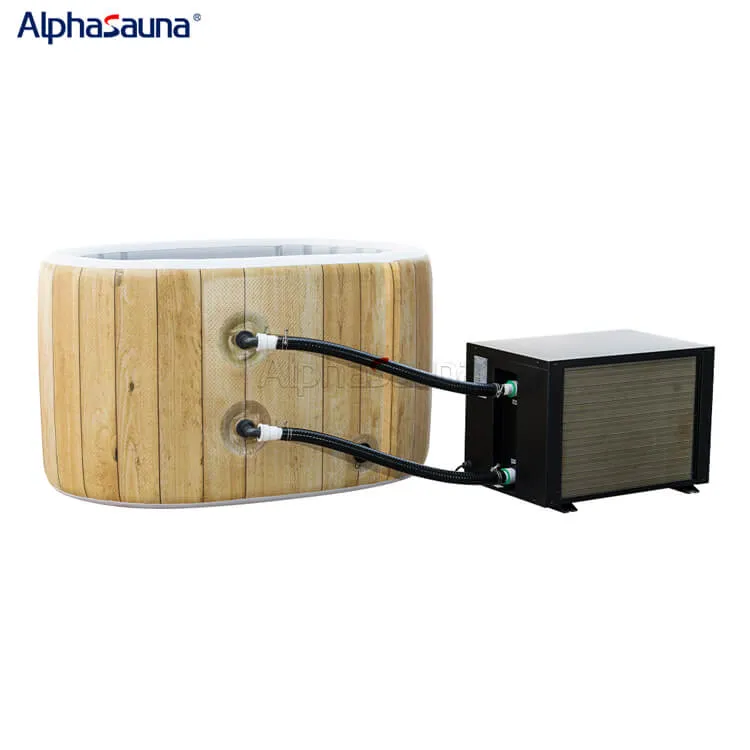
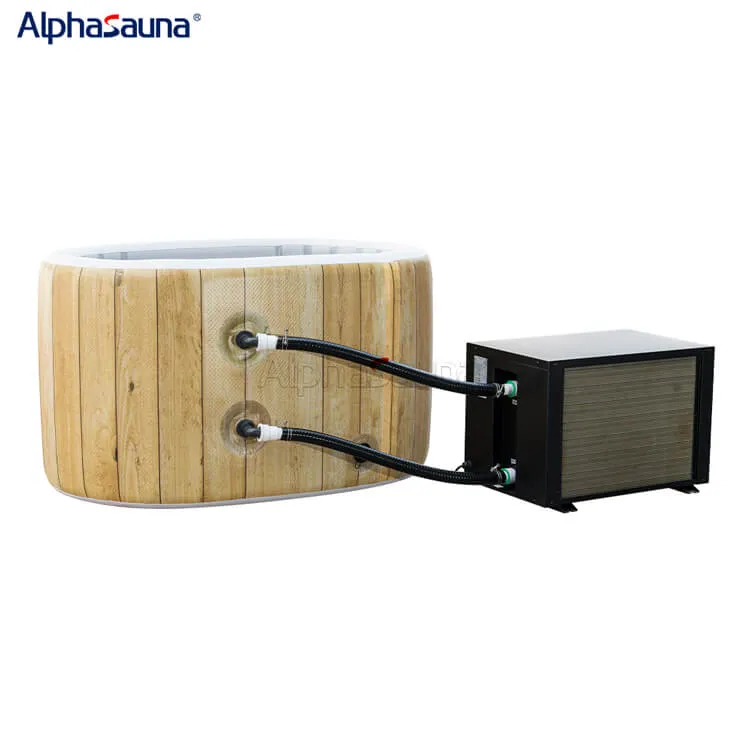
Compared to wooden hot tubs, inflatable hot tubs are more lightweight, portable, and easy to carry. They can be placed outdoors, on a terrace, or in various locations with relatively limited space. Of course, they come with certain limitations. Here are some advantages and considerations for inflatable hot tubs:
Advantages:
Convenience: Inflatable hot tubs are extremely lightweight and easy to carry, suitable for placement in various outdoor locations, such as a terrace.
Cost: Compared to traditional hot tubs, inflatable ones have a lower cost, making them more budget-friendly.
Ease of Installation: Inflatable hot tubs have a relatively simple and convenient installation process, without the need for complex setup procedures.
Considerations:
Insulation: The insulation performance of inflatable hot tubs is not as effective as traditional ones, so additional measures may be required to maintain warmth in cold weather.
Durability: The materials of inflatable hot tubs are not as sturdy as those of wooden or other solid-material hot tubs. They are susceptible to punctures or scratches, so careful usage is essential to prevent tearing and damage.
Regular Maintenance: Inflatable hot tubs require frequent checks and maintenance, especially concerning components like air chambers, valves, and pumps.
Capacity Limitation: Inflatable hot tubs generally have smaller capacities and are not suitable for group use.
In conclusion, inflatable hot tubs are more convenient and affordable but have a shorter lifespan compared to traditional fixed hot tubs. If durability is a significant concern, it is not recommended to purchase an inflatable hot tub.
Summary: A hot tub can bring us many unexpected benefits, adding a touch of brilliance to our busy lives. In the warm waters of the hot tub, we can relax our minds, ease our brains, and let the warm water wash away our fatigue and stress. It helps us alleviate tiredness, purify our minds, and rejuvenate our spirits. The hot tub is not just a bathing apparatus; it is a companion that warms us, brings us joy, and contributes to our well-being. Let us, in this wonderful dream of hot water, savor life and create a beautiful existence.
What Chemicals Are Needed For A Hot Tub?
Can You Put Epsom Salt In Hot Tub?
Related Article