What Chemicals Are Needed For A Hot Tub?

What chemicals are needed for a hot tub?
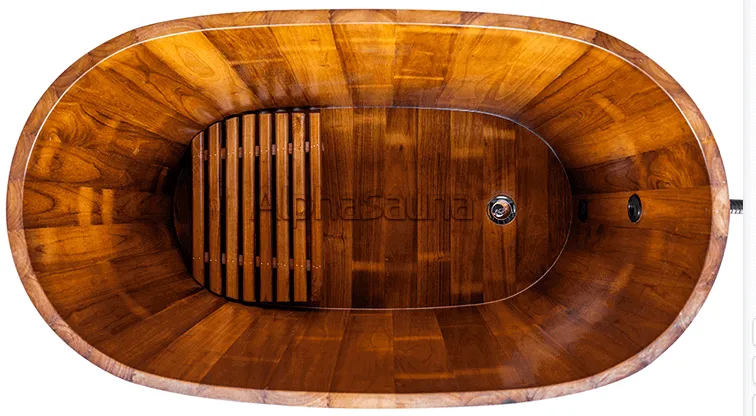
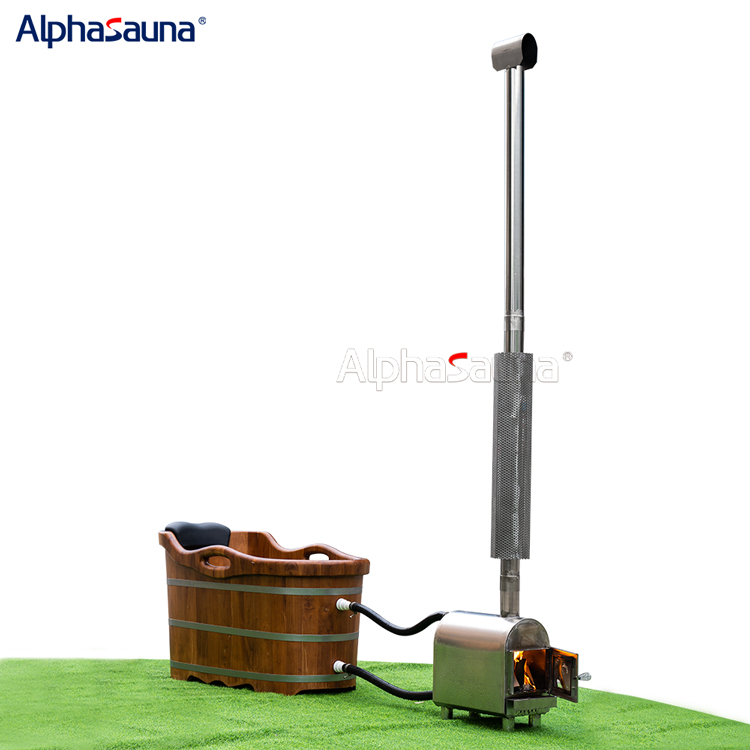
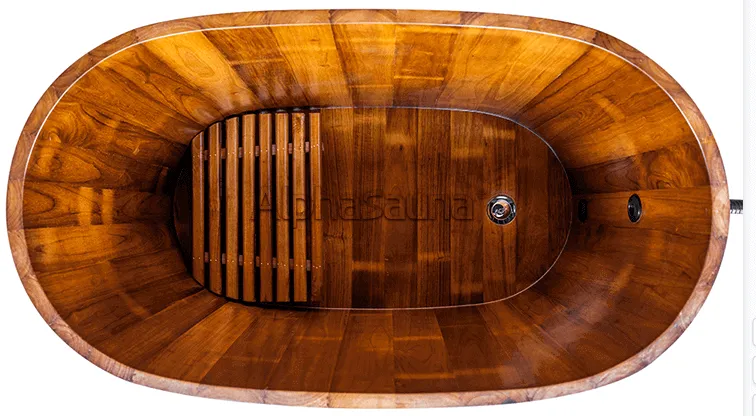
A hot tub is a specialized device designed for immersing the body, typically used for bathing and relaxation purposes. It comes in various styles and is generally made of durable materials such as acrylic, ceramic, or stainless steel. Wooden hot tubs are also available, featuring the warm and natural appearance of natural wood, adding a unique aesthetic to the bathroom. Wooden tubs offer better insulation properties and possess a certain degree of moisture absorption and humidity regulation. The dimensions and shapes of hot tubs vary, allowing for customization based on personal preferences. Create a comfortable, luxurious, sturdy, and lightweight hot tub that suits your own preferences.
What chemicals are needed for a hot tub?
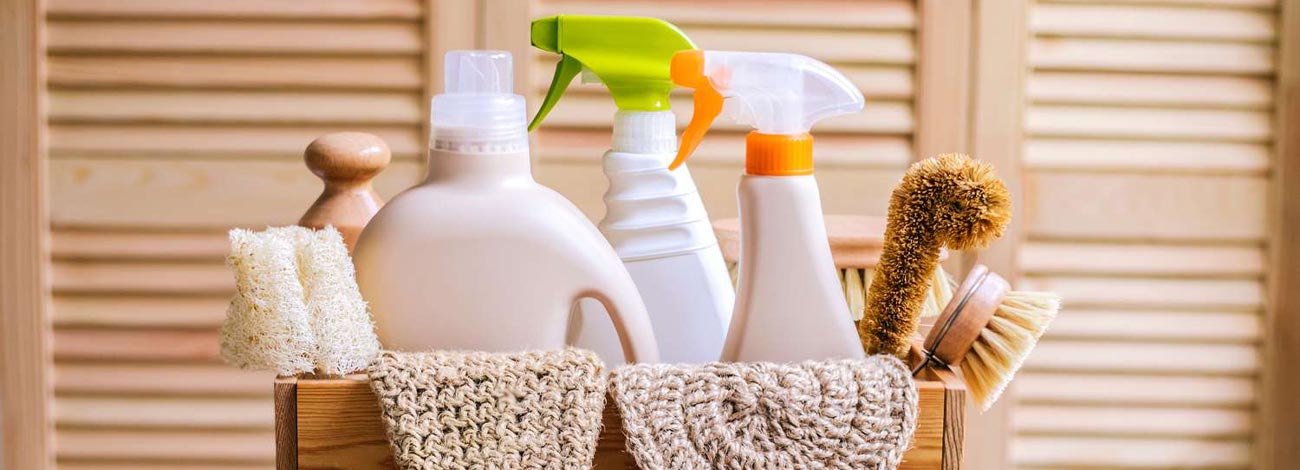
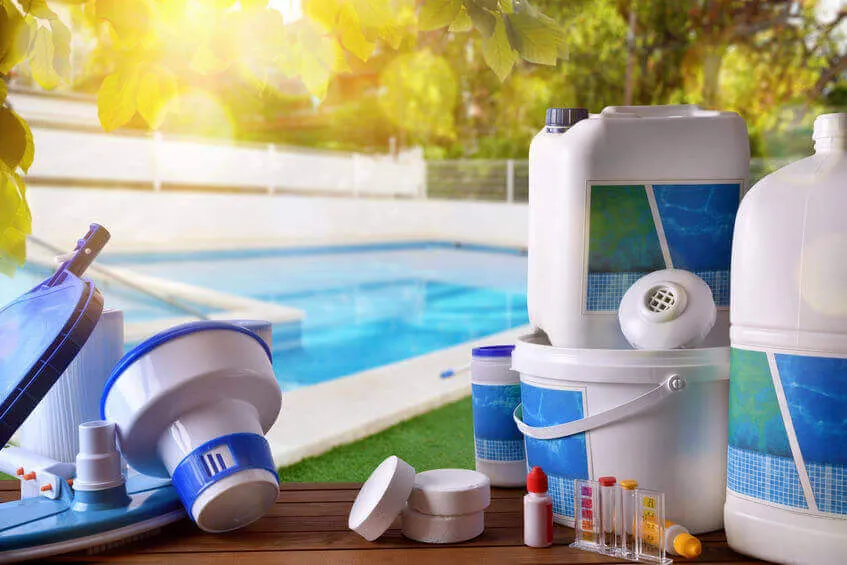
Hot tubs typically require certain chemicals to maintain water quality and keep the equipment clean. For the selection of chemicals, here are some common ones used in hot tubs:
Sanitizers: Hot tubs need sanitizers, with chlorine or bromine being the most common choices. These chemicals help prevent the growth of bacteria, fungi, and other microorganisms to ensure water safety.
pH Adjusters: The pH of hot tub water needs to be within an appropriate range, typically between 7.2 and 7.8. Balanced pH levels ensure that the water is safe for both the skin and the equipment.
Antioxidants: Common antioxidants, such as nitrites, are used to prevent unpleasant odors and discoloration in the water.
Algaecides: Algaecides prevent the growth of algae in the water, keeping it clear and improving water quality.
Cleaners: Regular cleaning of the hot tub is necessary to prevent the accumulation of dirt and bacteria.
Corrosion Inhibitors: If the hot tub contains metal components, adding corrosion inhibitors helps prevent corrosion of these parts.
When using these chemicals, it is advisable to refer to relevant knowledge or consult the product manual to ensure proper usage and avoid overuse. It's recommended to regularly test water quality parameters and adjust the chemical dosages as needed.
How much baking soda to raise alkalinity in hot tub?
Baking soda can increase the alkalinity of water. When using baking soda in a hot tub, it is essential to be cautious and follow the water quality test results and the recommendations provided by the manufacturer to avoid overuse. Consider the water volume, current alkalinity levels, and the concentration of baking soda. It is advisable to conduct water quality tests each time before adding baking soda to ensure the appropriate amount is applied.Key points to note when using baking soda:
Water Quality Testing: Utilize professional water quality testing tools to measure the alkalinity of the hot tub water. Adjust the alkalinity based on the test results.
Consult Recommendations: Refer to the product manual of the hot tub or contact the manufacturer to review their suggestions and recommended dosage.
Regular Monitoring: Add baking soda as needed but within safe limits, and regularly monitor the alkalinity of the water.
The best practice is to cautiously add baking soda based on actual requirements and water quality test results to ensure the alkalinity of the hot tub water remains within the appropriate range. If in doubt, it is recommended to seek advice from a professional water quality management expert or the hot tub manufacturer. The primary focus should be on regularly monitoring the alkalinity of the hot tub water to ensure it stays within the suitable range, typically between 7.2 and 7.8.
How to reduce chlorine in hot tub?
Chlorine in hot tubs typically refers to chlorine disinfectants such as chlorine tablets, chlorine granules, or liquid chlorine. The primary component in these compounds is chlorine, known for its bactericidal, fungicidal, antiviral, and antimicrobial properties to maintain water quality. However, excessive chlorine in a hot tub can be undesirable, as its presence may lead to skin dryness or allergic reactions. Therefore, it is essential to reduce chlorine levels in hot tubs, and here are some methods:
Use Non-Chlorine Disinfectants: Utilize disinfectants that do not produce irritating odors or adversely affect the skin, such as bromine.
Add Dechlorinating Agents: Neutralize chlorine in the hot tub by introducing dechlorinating agents.
Ensure Adequate Ventilation: Maintain good ventilation when using the hot tub to help dissipate chlorine present in the water.
Install Filtration Systems: Install filtration systems to filter out impurities, including chlorine, and purify the water.
Pre-treat Water Sources: Pre-treat water before adding it to the hot tub, either through filtration or the use of dechlorinating agents.
Periodic Water Replacement: Regularly replace the water to reduce chlorine concentration.
Use Activated Carbon: Activated carbon can decrease chlorine concentration; it can be added to the water or installed as a filter with activated carbon cartridges.
Refer to product instructions and follow manufacturer recommendations for specific methods. Before implementing any measures, it is advisable to test the chlorine concentration in the hot tub to ensure the chosen actions are appropriate.
How to lower bromine in hot tub?
Bromine is an effective disinfectant that rapidly eliminates bacteria, fungi, and other microorganisms in water, aiding in the prevention of microbial proliferation to maintain water cleanliness. However, excessive use of bromine or elevated bromine concentrations can result in numerous adverse effects, including skin allergies, eye irritation, respiratory irritation, dizziness, headaches, equipment damage, and water quality instability. Therefore, it is necessary to reduce the bromine content in the hot tub after its use. Here are some methods:
Water Replacement: Partially drain the water and replenish it with fresh water to dilute the bromine, reducing its concentration.
Allow Evaporation: Bromine naturally evaporates over time, so waiting for a period after bromine addition allows for its natural dissipation.
Use Activated Carbon: Activated carbon can adsorb various chemicals in water, including bromine. Adding a small amount of activated carbon to the water or installing a filter with activated carbon cartridges helps dilute bromine.
Maintain Ventilation: Ensure good ventilation around the hot tub to enhance air circulation, facilitating bromine evaporation.
Use Debrominating Agents: Reduce bromine concentration by adding small amounts of debrominating agents.
Refer to product instructions and adhere to manufacturer recommendations for specific methods. Before implementing any measures, it is advisable to test the bromine concentration in the hot tub to ensure the chosen actions are appropriate.
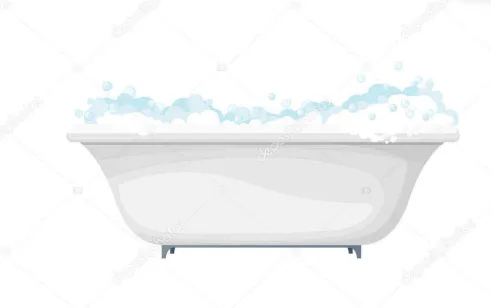
What causes foam in a hot tub?
There are various factors that can contribute to the formation of foam in a hot tub, and here are some potential causes:
Bath Products: Excessive use of soaps, shower gels, shampoos, and other bath products can lead to foam generation, as their surfactants and other additives easily create foam in water.
Body Oils: Natural oils from the skin and cosmetics may undergo chemical reactions with the hot tub water, resulting in foam formation.
Water Quality Issues: If the water source is hard water, it can react with bath products and create foam. Hard water contains minerals such as calcium and magnesium.
Excessive Disinfectants: Overuse of disinfectants, some of which contain chemicals like bromine and chlorine, can react with other components in the water, forming foam.
Water Circulation System: Issues in the water circulation system, such as clogged filters leading to air in the water, can also contribute to foam formation.
To reduce foam formation, consider taking the following measures:
Use low-foaming bath products.Control the use of disinfectants.Regularly clean filters to ensure proper functioning of the water circulation system.Avoid using oils or cosmetics.Periodically replace the water in the hot tub.If the issue persists, seeking advice from the manufacturer or consulting with a professional is recommended.
How to find a leak in a hot tub?
To locate leaks in a hot tub, you can follow these steps:
Visual Inspection: Carefully examine the surface, bottom, and surroundings of the hot tub for any visible cracks or damage.
Water Line Check: Gradually add water, pausing after each increment to observe for any changes in water level. If the water level changes, the leak is likely near the recently filled water level.
Feel for Moisture: Touch the surface of the hot tub and identify areas that feel excessively moist, as these may indicate potential leak points.
Check Components: Inspect hot tub components such as water pumps, jets, and drain valves for damage or looseness, as leaks often occur in these areas.
Drainage System: Examine the drainage system to ensure that drain valves and pipes are not leaking.
Professional Inspection: If unable to locate the leak, consider seeking assistance from a professional repair technician.
Ensure that the hot tub is in a closed state and the power is disconnected during the inspection to prevent accidents. It is advisable to have a professional inspect and repair any leaks promptly to prevent disruptions to future operations.
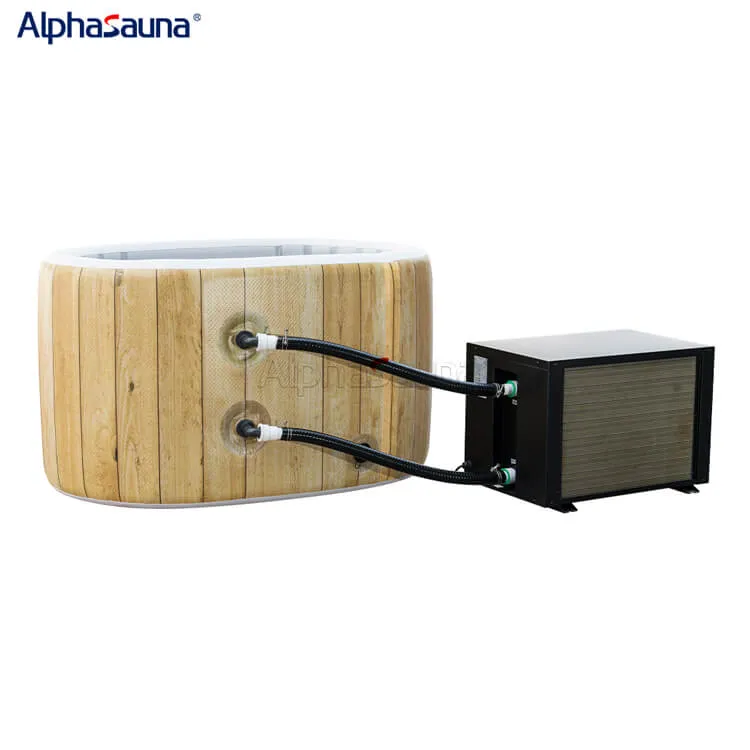
In summary, the hot tub provides us with a relaxing and comfortable space, becoming a luxurious indulgence in our daily lives. It offers a unique sense of comfort and tranquility, bringing joy to both our body and mind. The hot tub enhances our overall well-being, allowing us to experience the pleasure of bathing, rejuvenate our spirits, and savor life. Beneficial for relieving physical fatigue and promoting blood circulation, the hot tub provides a comprehensive and delightful experience for both body and mind. Simultaneously, it is crucial to maintain and care for the hot tub to ensure its prolonged optimal condition, allowing us to comfortably enjoy the pleasures and delights it brings through soothing hot baths.
How To Maintain A Hot Tub?
Are Hot Tubs Worth It?
Related Article