
Does Infrared Sauna Help With Inflammation?

Does infrared sauna help with inflammation?
Sauna has a long and rich history, and its widespread popularity can be attributed to the numerous benefits it brings to individuals. Sauna promotes blood circulation, relieves muscle tension, relaxes the body, and alleviates stress. In addition to the mental relaxation it provides, there are also many physical advantages. Sauna has positive effects on certain health issues, such as relieving the pain associated with arthritis. As a result, many people consider sauna sessions as a means to address various bodily concerns. While a sauna's heat therapy can alleviate some physical discomfort, it is not a medical intervention for treating specific diseases.
In certain cases, the sauna may play a supportive role in managing certain conditions, such as arthritis, chronic pain, respiratory issues, and more. However, its effectiveness can vary due to individual differences in body constitution, and some individuals may not experience any benefits from saunas. Although sauna may not be universally beneficial for everyone, it undeniably offers a relaxing and comfortable experience for the majority, which is a key reason for its enduring popularity.

Does infrared sauna help with inflammation?
Some studies suggest that infrared sauna may have positive effects on inflammation reduction and slowing down inflammation, especially for patients with conditions like arthritis. Infrared rays can penetrate the skin deeply, generating a heat effect in the deeper tissues. This process promotes blood circulation, accelerates metabolism, enhances tissue oxygenation, and may induce physiological responses such as increasing local temperature, promoting vasodilation, and accelerating cell repair, thereby contributing to pain alleviation. These effects could be beneficial in relieving inflammation and promoting tissue recovery. It may also aid in enhancing the activity of the immune system and expediting the repair process of damaged tissues. However, specific outcomes can vary based on individual differences and the type of disease.
Despite these potential benefits, it's important to note that infrared saunas cannot replace traditional medical treatment methods. More research is still needed to validate its specific effects and applicability. For any inflammatory disease or health issue, it is recommended to seek advice from a doctor before using an infrared sauna or other therapies. A healthcare professional can provide personalized guidance to ensure that the chosen method aligns with the overall treatment plan, avoiding discomfort or side effects and ensuring that the chosen method is safe and appropriate.

How to clean sauna wood?
Cleaning sauna wood is an essential step in maintaining sauna hygiene and extending the life of the wood. Here are some tips for cleaning sauna wood:
1. Dust and debris removal: Use a soft-bristle brush or a lint-free cloth to clean dust and other impurities from the surface of sauna wood. Ensure the use of gentle tools to avoid damaging the sauna wood surface. Make sure the sauna wood surface is dry and avoid using damp cleaning tools.
2. Mild cleanser: Use a mild cleanser to wipe sauna wood, removing dirt and sweat stains. Ensure that the mild cleanser used does not contain harmful chemicals.
3. Avoid strong acidic or alkaline cleansers: Choose mild cleansers specifically designed for wood. Avoid using strong acidic or alkaline cleansers to prevent damage to the sauna wood surface.
4. Remove mold and stains: If mold or stubborn stains are present, you can use a solution made from a small amount of white vinegar and water to wipe the area. Gently wipe, avoiding excessive water use to prevent wood absorption. Alternatively, use anti-mold treatment products specifically designed for sauna wood to prevent mold growth.
5. Regular waxing or oiling: Regularly use sauna wood maintenance products, such as wood wax or oil, to maintain the shine and waterproofing of the wood.
6. Clean wood seams: Regularly use a small brush or a vacuum cleaner to clean wood seams, where dust and moisture tend to accumulate.
7. Ventilation and dehumidification: Maintain good ventilation and dehumidification in the sauna room to prevent mold growth and wood dampness. After each use, ensure the sauna room remains ventilated and dry.
When performing cleaning and maintenance, follow the recommended maintenance methods and advice provided for sauna wood to avoid damaging the sauna wood surface. Also, be cautious not to use excessive water during cleaning to prevent wood moisture absorption. Clean with care to avoid surface damage to the wood.

Is a sauna good for bronchitis?
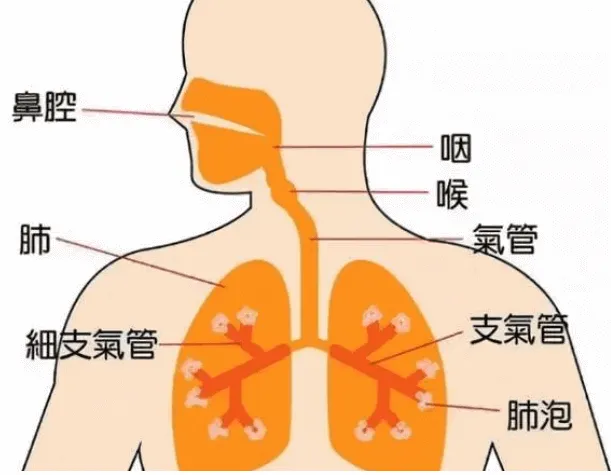
Sauna may have certain benefits for bronchitis, but if considering sauna as a treatment for bronchitis, careful consideration is advised. It is recommended to consult with a doctor and obtain their approval before proceeding. Here are some potential benefits and risks of sauna for bronchitis:
Potential Benefits:
1. Bronchial Dilation: The high temperature in the sauna environment may help open the bronchial tubes, making the airways more clear. This could aid in improving airflow and alleviating symptoms of respiratory congestion, potentially assisting some bronchitis patients.
2. Improved Blood Circulation: The sauna's high-temperature environment is conducive to promoting blood circulation and increasing oxygen delivery to various parts of the body, helping to alleviate inflammation symptoms in bronchitis patients.
3. Muscle Relaxation: Sauna can relax muscles, relieve stress, and alleviate discomfort in the respiratory muscles caused by bronchitis.
4. Sweating and Detoxification: The high-temperature environment encourages significant sweating, facilitating the body's detoxification process.
Potential Risks:
1. Overheating: In the sauna's high-temperature environment, bronchitis patients may experience rapid breathing due to overheating, leading to discomfort and worsening of their condition. Overheating during sauna sessions may also contribute to excessive dehydration, potentially exacerbating the patient's condition.
2. Low Humidity: Sauna rooms often have low humidity, resulting in dry air. Some bronchitis patients may find this dry air uncomfortable for the respiratory tract.
3. Individual Variability: Different individuals have varying reactions to sauna sessions based on their constitution. While sauna may be helpful for some, it may not be beneficial or could even worsen the condition for others, considering the diversity of individual health conditions and symptoms.
Due to the lack of scientific evidence, using sauna as a treatment for bronchitis is not recommended. Bronchitis patients should seek the advice of a doctor before engaging in sauna sessions to avoid worsening their condition.
When can i go in sauna after tattoo?
After getting a tattoo, it is advisable to wait until the tattoo has fully healed before using a sauna to prevent the risk of infection in the tattooed area. Generally, the healing time for a tattoo varies depending on individual factors, tattoo size, and location. It typically takes at least 2 to 4 weeks, or even longer, for the tattoo to heal. The tattooed area should have formed scabs, and there should be no signs indicating that the healing process is incomplete.
Consider the following recommendations:
Healing Time: The healing time for a tattoo is influenced by individual factors, tattoo size, and location. It is generally recommended to wait at least 2 to 4 weeks, or longer, until the tattoo is fully healed. Look for scab formation on the tattooed surface and ensure there are no signs indicating incomplete healing.
Consultation with a Doctor: Seek advice from a doctor to assess whether the tattoo has fully healed and whether it is safe to use a sauna. The doctor's input can guide the timing of sauna use post-tattoo.
Sensations: Before using a sauna, ensure that the tattooed area is not experiencing pain, redness, oozing, or any other discomfort. If there are any unusual sensations, it is advisable to wait for a further period.
Infection Prevention: Ensure that the sauna facility is clean to avoid the risk of infection.
In conclusion, the healing time for a tattoo varies from person to person. It is essential to make sure the tattoo is fully healed before using a sauna to prevent complications. Before considering sauna use, it is best to wait until you feel well, and the tattoo has completely healed. Additionally, consulting with a doctor is recommended for personalized advice to ensure safety.
Typically, individuals do not wear clothes when entering a sauna. Sauna, being a traditional steam bath, is entered in the nude to ensure maximum heat exposure and direct contact between the skin and air. This is because the high temperature and heat effects provided by the environment can be hindered by clothing, and being naked in the sauna helps maintain even temperature distribution, allowing the body to adapt better to the high-temperature environment. Additionally, being naked in the sauna aids in cleanliness, preventing clothes from absorbing sweat and moisture.
However, different sauna facilities and cultures have varying regulations. Some saunas, to maintain hygiene and comply with facility regulations, may require users to wear specific types of sauna attire or towels. Other saunas may mandate nude sauna use based on local cultural practices. Regardless of the regulations, it's essential to adhere to the guidelines of the chosen sauna facility. Therefore, it's advisable to familiarize yourself with the rules of the sauna you plan to visit before going. Cultural norms and regulations can differ between regions and sauna establishments. In a home or private sauna setting, personal preferences may be more flexible. If you prefer not to adhere to others' regulations, you can consider purchasing a sauna for personal use in your home.
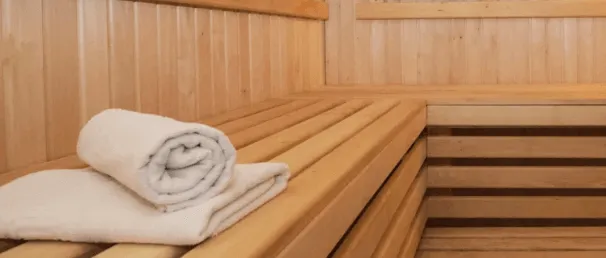
Summary: Sauna is an experience that brings mental pleasure and physical relaxation. The wooden structure in the sauna room creates a warm and tranquil atmosphere, providing a sense of escape from worldly troubles. It gives the feeling of being deeply immersed in nature, entering a state of carefree relaxation. In the high-temperature environment, the body gradually warms up, opening both the body and mind, allowing stress to dissipate, and bringing a refreshing sensation to the body. A sauna also serves as a lifestyle for socializing and connecting with others. Here, individuals can enjoy and share relaxing sauna moments with family and friends.
Is Sauna Healthy?
Does Infrared Sauna Cause Cancer?
Related Article