What To Wear In Infrared Sauna?

What to wear in infrared sauna?
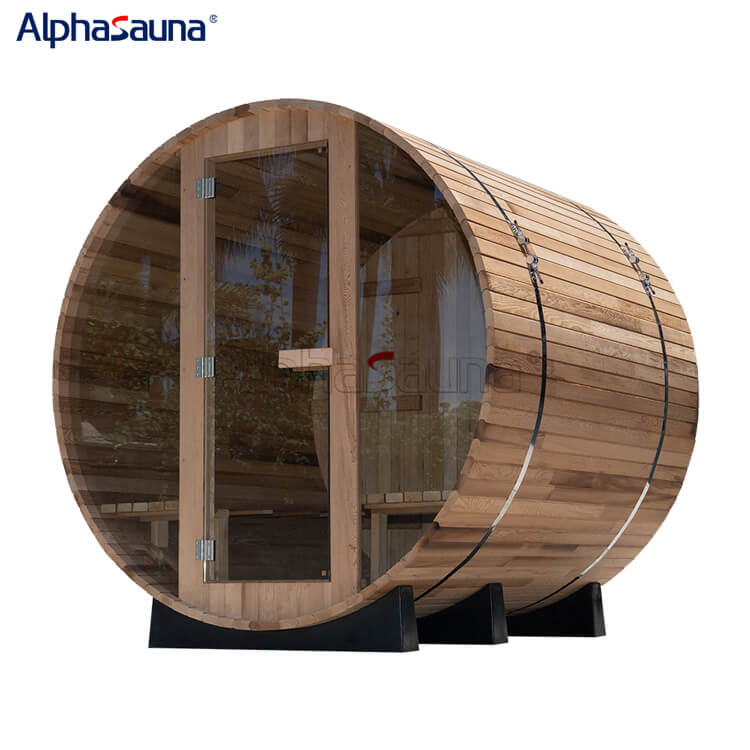
Saunas have a long and storied history, dating back to ancient Rome. In those times, saunas were embraced as a social activity that bestowed numerous health benefits. Ancient people often utilized heated stones for sauna sessions, placing them inside a room where individuals would gather to enjoy the warmth and steam. The tradition flourished predominantly in the Nordic regions, especially in Finland, where it boasts a rich sauna heritage.
In Finland, saunas are considered a holistic approach to both physical and social well-being. Regarded as a cleansing ritual for the body and a social gathering for the community, saunas hold a significant place in Finnish culture. Virtually every household in Finland has its own sauna, making it an integral and inseparable part of their daily lives. Saunas, for the Finns, transcend beyond being a mere facility; they are an essential and indivisible aspect of their cultural identity.

What to wear in infrared sauna?
With the progress and development of technology, scientists have discovered that far-infrared radiation can induce physiological changes, such as promoting blood circulation. Consequently, far-infrared radiation has been incorporated into saunas, providing a deeper therapeutic effect. Far-infrared saunas utilize far-infrared radiation to generate heat, directly penetrating the body to elevate its temperature, thereby promoting relaxation, enhancing blood circulation, and alleviating stress. Here are some recommendations for attire in a far-infrared sauna:
1. Lightweight and Breathable Clothing: Opt for lightweight and breathable clothing to enhance the body's sensitivity to heat and facilitate the penetration of radiation, ensuring a better experience in the far-infrared sauna.
2. Swimwear or Sportswear: These types of clothing are relatively lightweight, breathable, and suitable for wearing during far-infrared sauna sessions.
3. Avoiding Multiple Layers or Excessive Clothing:** Prevent heat obstruction by refraining from wearing multiple layers or excessive clothing. This ensures that far-infrared radiation can directly contact the skin, maximizing the effectiveness of the sauna.
4. Bare Skin or Partially Bare Skin: Some individuals choose to go naked or partially naked for an enhanced sauna experience. Whether nudity is acceptable depends on personal preference and cultural norms in specific sauna facilities.
In general, people commonly wear thin sports attire, swimwear, or shorts for optimal breathability in a far-infrared sauna. This choice ensures that heat can penetrate the body, allowing individuals to fully experience the therapeutic effects of infrared radiation. It is essential to stay hydrated regardless of clothing choice to prevent dehydration.
Do saunas help hangovers?
Saunas typically do not directly cure a hangover, but they can alleviate some discomfort associated with alcohol consumption. The metabolism of alcohol occurs in the liver, while saunas primarily facilitate sweating and blood circulation by providing a high-temperature environment. Saunas do not cure a hangover, and individuals experiencing alcohol poisoning or intoxication should seek professional medical assistance. Here are some external ways in which saunas may offer assistance in alleviating hangover symptoms:
1. Sweating: The high-temperature environment in a sauna induces significant sweating, aiding in the elimination of waste and toxins from the body, including metabolites of alcohol.
2. Enhanced Blood Circulation: The sauna's elevated temperature promotes blood circulation, accelerating the removal of alcohol metabolites.
3. Physical Benefits: Saunas contribute to relaxation, stress relief, and muscle relaxation, potentially easing physical discomfort associated with alcohol consumption.
It's crucial to recognize that saunas have minimal impact on curing a hangover and may even have no effect on some individuals. Relying on a sauna as a hangover remedy is not advisable. Instead, efforts should be directed towards minimizing alcohol consumption in terms of frequency and quantity. If alcohol consumption is unavoidable due to work-related reasons, seeking advice from a medical professional for hangover remedies or medications may be a more effective approach to mitigate the discomfort caused by alcohol.
How long to spend in a sauna?
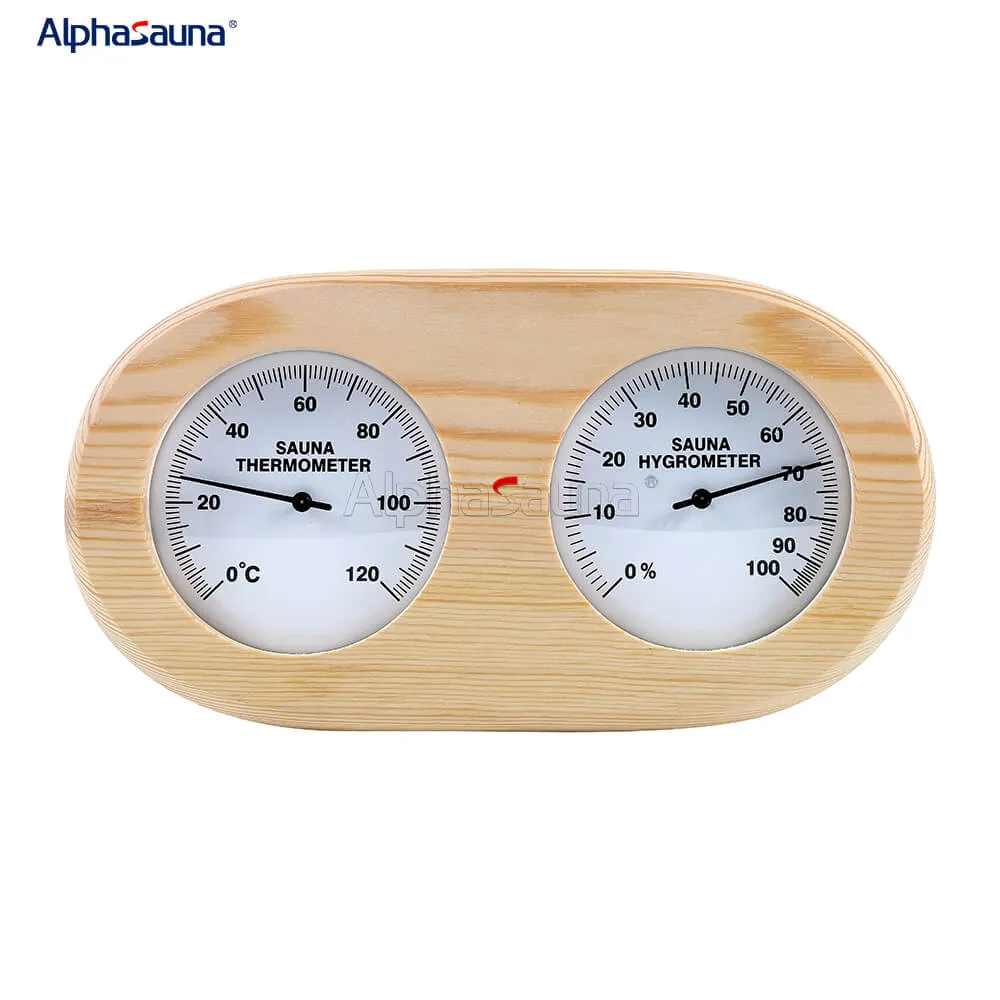
The duration of sauna sessions varies depending on individual health conditions, personal comfort, preferences, and the surrounding environment. Generally, the recommended sauna time falls within the range of 15 to 30 minutes, a duration that is generally acceptable and comfortable for most individuals. Here are some suggestions:
1. First-time Users: If you are using a sauna for the first time, it is not advisable to stay for an extended period to prevent potential discomfort. If you feel comfortable, you can gradually increase the time to allow your body to adapt to the sauna environment.
2. Gradual Increments: As you become accustomed to the sauna environment, consider gradually increasing the sauna time. Always pay attention to your body's signals, and if you experience any discomfort, leave the sauna room immediately. Regardless of experience level, it is recommended to progressively extend sauna sessions rather than opting for prolonged durations from the outset, as this is more conducive to the body's adjustment to high temperatures.
3. Listen to Body Signals: Focus on your body's condition during the sauna session. If you feel dizzy, nauseous, or experience an irregular heartbeat, leave the sauna room promptly and rest in a well-ventilated area.
Individuals with existing health issues or uncertainties should consult a doctor before engaging in sauna sessions. Additionally, maintaining hydration is crucial to prevent dehydration.
Is the sauna bad for your hair?
Saunas themselves do not have a direct impact on hair, but prolonged exposure to the high-temperature environment may have some effects, depending on individual hair characteristics. Here are some factors that can influence hair:
1. Dryness: Sauna rooms are typically hot and dry, which may lead to dryness in the hair, causing it to lose moisture. If the hair is naturally dry, this could exacerbate dryness issues and make the hair more brittle.
2.Damage to Hair Structure: The high temperature in the sauna causes significant sweating, and the excessive heat and salt in sweat may affect the hair structure. This can result in dryness, split ends, and increased fragility of the hair, potentially causing damage to its structure.
3. Scalp Issues: For some individuals, the high temperatures in the sauna environment may cause discomfort to the scalp, leading to itching due to the composition of sweat.
To mitigate these issues, consider the following measures:
Hair Protection: Wrap the hair with a damp towel or head covering to prevent exposure to the high-temperature environment.
Maintain Hydration: Stay well-hydrated throughout the sauna session and consider using a moisturizing spray.
Use Hair Care Products: Apply conditioner or other deep-conditioning products before entering the sauna to retain moisture and prevent excessive dryness.
The impact of saunas on hair varies from person to person, but taking appropriate care measures can help maintain hair health. If concerned about potential damage, trying these methods may be beneficial.

How long to stay in sauna for detox?
Saunas do not directly detoxify the body but rather facilitate the expulsion of some waste, metabolites, and toxins by elevating body temperature, promoting blood circulation, and inducing sweating. Regarding the question of "How long to stay in the sauna for detox?" there is no definitive answer, as the duration of sauna sessions is not the sole determining factor for detoxification. Sauna time is influenced by individual factors such as personal health, preferences, and habits.
Generally, it is recommended to spend around 15 to 30 minutes in a sauna, a time range that is generally acceptable and comfortable for most individuals. If the body quickly adapts to the high-temperature environment, sauna time can be gradually extended until finding a suitable duration. The actual detoxification process primarily relies on the liver and kidneys, the body's major detoxification organs. Saunas contribute by facilitating the elimination of waste and toxins through sweat, but they do not directly eliminate a significant amount of toxins.
Saunas mainly play a role in enhancing blood circulation, muscle relaxation, and stress relief. If there are concerns about overall health, it's advisable to consult a doctor before engaging in sauna sessions and avoid excessive sauna use solely for detoxification purposes.
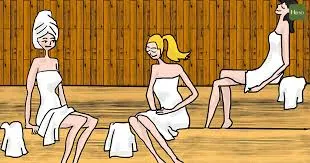
Summary: Sauna bathing is not just about sweating; it's a release of stress, a relaxation of the mind, and a rejuvenation of spirit. Saunas not only alleviate our stress but also leave us with a serene tranquility, helping us discover our true selves amidst the hustle and bustle of life. Sauna is not just a detoxifying dance; it's a baptism for the soul. The joy brought by sauna has made it an indispensable part of our lives.
How Many Saunas In Finland?
What is the Purpose of Saunas
Related Article