How Long Should You Stay In A Sauna

How long should you stay in a sauna
The development history of sauna:
Sauna originated in Finland and has been a cultural tradition in the country, enduring through the years and gaining increasing popularity. The concept of sauna has gradually spread to other countries, evolving into a social and leisure activity. Globally, people have started constructing sauna facilities, leading to the development of the sauna market, with the establishment of numerous sauna companies. Alphasauna is one of these companies, primarily offering various sauna products and services, including traditional sauna rooms, ice buckets, hot tubs, sauna stoves, and sauna accessories. The incorporation of innovative elements into saunas aims to cater to different cultures and meet the diverse needs of individuals.

How hot do saunas get?
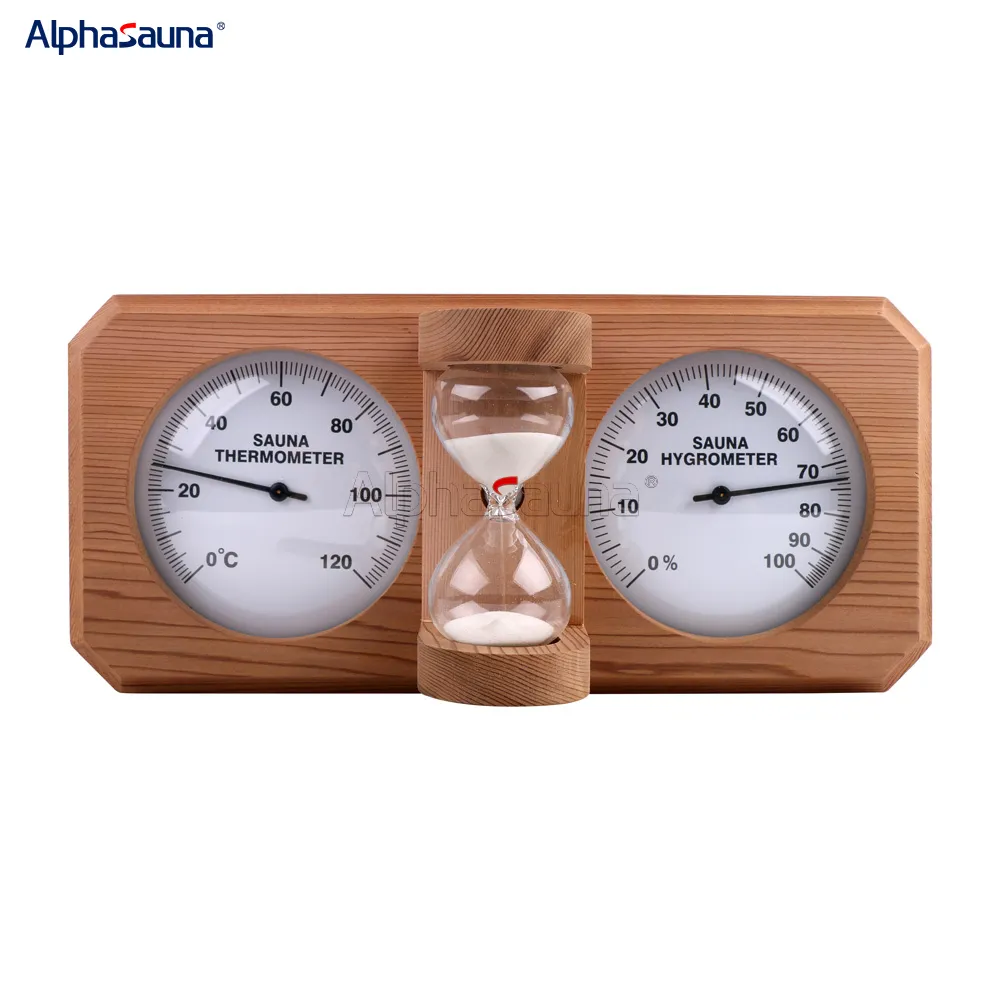
The indoor temperature in a sauna is typically maintained between 70 to 100 degrees Celsius, and it also depends on individual constitutions and sauna facility designs. When it comes to sauna temperature, many people often ask: "How long should you stay in a sauna?" There isn't a very precise answer to this question as it is influenced by various factors, including individual health, facility design, and even the current weather conditions. Here are some recommendations for sauna duration:
1.First-time users: If you are using a sauna for the first time, it is advisable not to stay inside for too long. Pay close attention to your body's reactions, and if you experience dizziness, headaches, nausea, difficulty breathing, or any discomfort, exit the sauna immediately. Generally, first-time users are advised to stay in the sauna for approximately 10 to 15 minutes to acclimate to the high-temperature environment.
2.Adapted users: If you have used the sauna several times without experiencing any adverse effects, you can consider extending your sauna time. Most people find staying in the sauna for around 20 to 30 minutes suitable, but it ultimately depends on your individual constitution.
3.Adequate hydration: In the high-temperature environment of the sauna, significant sweating may occur, potentially leading to dehydration or symptoms like dizziness, rapid heartbeat, nausea, or discomfort. Therefore, it's essential to replenish fluids adequately. This applies not only during sauna use but also before and after the sauna session.
We cannot underestimate the temperature in the sauna. While saunas offer various benefits, improper use can pose risks to health.
Can you bring your phone in a sauna?
In this era where smartphones are practically inseparable, sauna enthusiasts may have a question: Can you bring your phone in a sauna? The answer is not recommended, as the sauna room's temperature is very high, and it is filled with steam, both of which can impact certain functions of mobile devices. Here are some reasons why bringing a phone into a sauna is not advised:
- High Temperature and Humidity: The temperature and humidity levels in a sauna are significantly high, affecting various functions of mobile devices. High temperatures can degrade battery life, performance, and internal electronic components, while humidity can impact sound functionality and screens.
2.Steam: The high-temperature environment generates substantial steam, which may enter the internal components of your phone, affecting electronic elements and potentially causing screen damage or speaker malfunctions. Most phones are not waterproof, and saunas can easily expose them to liquids.
3.Safety Concerns: In a high-temperature environment, phone batteries can heat up, leading to rapid battery consumption, and in extreme cases, there is a risk of explosions.
4.Quality Considerations: Sauna is an activity focused on health and relaxation. During a sauna session, it's essential to relax and concentrate on unwinding and meditation to fully experience the pleasure of the sauna.
5.Compliance with Rules: Some saunas have rules against bringing phones inside. It's crucial to adhere to these regulations and store your phone in designated areas. While some saunas may permit phones, they often provide waterproof phone covers. In such cases, it's necessary to ensure proper protection for the phone. If it's a common practice to bring a phone into the sauna, consider customizing a waterproof phone cover designed for high-humidity environments to protect the phone.

How many calories can I burn in the Sauna?
When people are in a sauna, the high-temperature environment causes the body to release moisture through sweating, giving the sensation of having engaged in physical activity. However, this is primarily a response to the elevated temperature aimed at regulating the body's heat, and it doesn't directly burn a significant amount of calories. While this process doesn't directly lead to a substantial calorie burn, it does require the body to expend some energy, indirectly promoting calorie expenditure. The amount of calories burned varies among individuals and is influenced by factors such as individual body weight, sauna environment temperature and humidity, and the duration of time spent in the sauna.
Therefore, the exact number of calories burned during a sauna session is uncertain. Sauna is considered a relaxation and health-promoting activity, offering benefits such as promoting relaxation, enhancing blood circulation, reducing stress, and improving mood. If the primary goal is calorie burning, other activities like aerobic exercises such as jogging, swimming, or fitness workouts may be more effective.
Whether engaging in the relaxing activity of sauna or more intense exercises, it's essential to prioritize health and safety, avoiding excessive exertion and considering one's individual fitness level before participating in such activities.

Should you do the sauna before or after Workout?
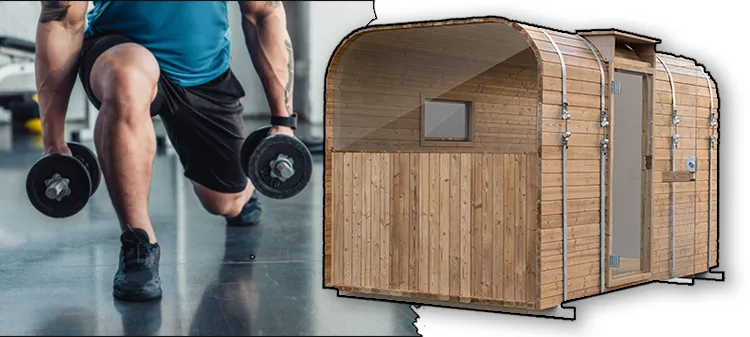
When it comes to calories, an increasing number of people are paying attention to their physique and dedicating spare time to exercise and fitness. This raises a question for sauna enthusiasts: Should you do the sauna before or after a workout? Whether sauna is done before or after exercise, each has its own advantages and considerations. Here are the main benefits and considerations:
Sauna Before Exercise:
Advantages:
Sauna before exercise can help relax the mind, alleviate fatigue, and loosen muscles, reducing tension for subsequent workouts. The elevated temperature promotes increased flexibility, aiding the body in entering the exercise state more efficiently without stiffness.
Considerations:
Avoid excessive heating; prolonged sauna sessions before exercise may lead to excessive fatigue and dehydration, hindering optimal workout performance.
Sauna After Exercise:
Advantages:
Sauna aids in blood circulation, expediting the removal of lactic acid and other metabolic byproducts, facilitating post-exercise recovery.
It helps open pores, promoting the elimination of sweat and aiding in skin cleansing.
Considerations:
After exercising, using the sauna should also avoid excessive heating to prevent excessive fatigue and dehydration.
Maintain adequate hydration to prevent dehydration caused by the combination of post-exercise fluid loss and the high-temperature environment.
In both cases, maintaining hydration, controlling time and temperature, and considering individual physical conditions are crucial. Blindly combining sauna with exercise without proper consideration is not recommended.
Sauna time after workout
The time and duration of sauna after exercise should be determined based on individual fitness levels and the intensity of the workout. Here are some recommendations:
Sauna Time: Some individuals may choose to enter the sauna immediately after exercising. This allows for rapid muscle relaxation and promotes blood circulation, particularly beneficial for those experiencing post-exercise soreness. Alternatively, others may prefer waiting for a while before entering the sauna. This approach helps mitigate the rapid evaporation of fluids, allowing for hydration before sauna use and reducing the risk of dehydration.
Sauna Duration: It is not advisable to spend an excessively long time in the sauna after exercise. A recommended duration is between 15 to 20 minutes to avoid the risk of excessive dehydration and overheating. Of course, the duration can be adjusted based on individual body conditions.
In summary, the timing and duration of sauna after exercise should be tailored to individual preferences and physical conditions. Entering the sauna immediately or after a short delay, and maintaining a reasonable sauna duration, such as 15 to 20 minutes, are general recommendations to balance the benefits and potential risks.
Sauna time and temp
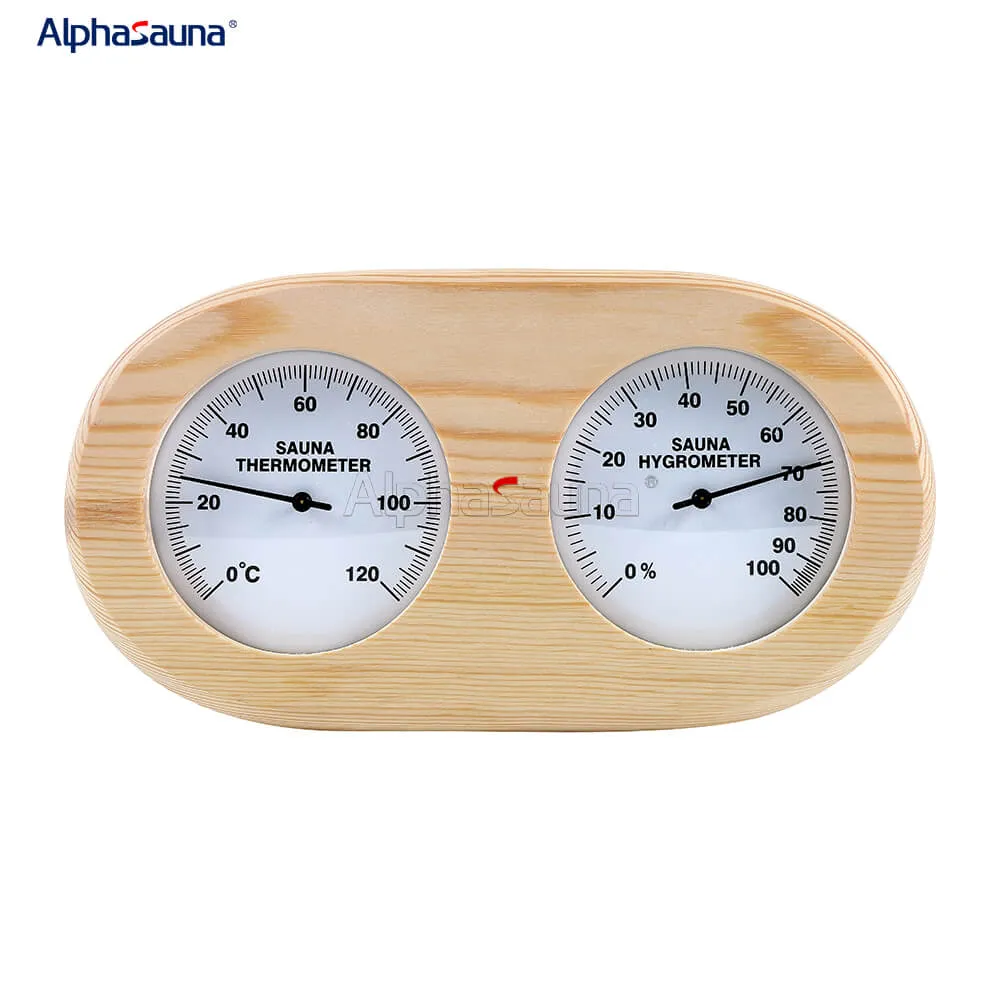
1.Sauna Duration: For first-time users, it is recommended to start with a duration greater than 10 to 15 minutes to acclimate to the high temperature. For individuals accustomed to sauna sessions, a suggested duration is between 20 to 30 minutes, gradually increasing based on personal tolerance, but avoiding excessively long sessions. If you experience dizziness, headaches, nausea, difficulty breathing, or any discomfort, cease the sauna session immediately and move to a cooler place for rest. It is essential to stay hydrated, avoid excessive heating, be mindful of personal health conditions, and practice sauna moderation.
2.Sauna Temperature: In traditional saunas, the temperature typically ranges between 80 to 100 degrees Celsius, promoting accelerated blood circulation and sweat elimination. Steam saunas, with temperatures between 40 to 60 degrees Celsius, offer a relatively lower temperature and higher humidity, providing a more comfortable experience.
In summary:
sauna offers various benefits for the body and serves as a comprehensive wellness therapy that incorporates cultural elements from different regions. It provides a new space for people to relax, unwind, and engage in leisure activities, making it a popular recreational pursuit. However, safety should be a priority, and attention should be given to controlling sauna duration and temperature. It is crucial to make decisions based on individual physical conditions. If there are any underlying health concerns, individuals unsure about their suitability for sauna use should consult a doctor.

How Hot do Infrared Saunas Get?
Does Sauna Make Your Skin Lighter
Related Article