


How Hot is Sauna?
author: Jerry
2023-10-31
How Hot is Sauna?
As a professional sauna manufacturer, Alphasauna is often asked How Hot is Sauna? This question is very broad, because there are many types of saunas on the market, and everyone has different temperature requirements for saunas. Next we will answer them one by one for you.
What temp is a sauna?
Let’s first answer the standard temperatures of various types of saunas.
Traditional sauna standard temperature
The temperature of a traditional sauna is usually between 80°C and 100°C (176°F and 212°F), but there are some hotter variants. This 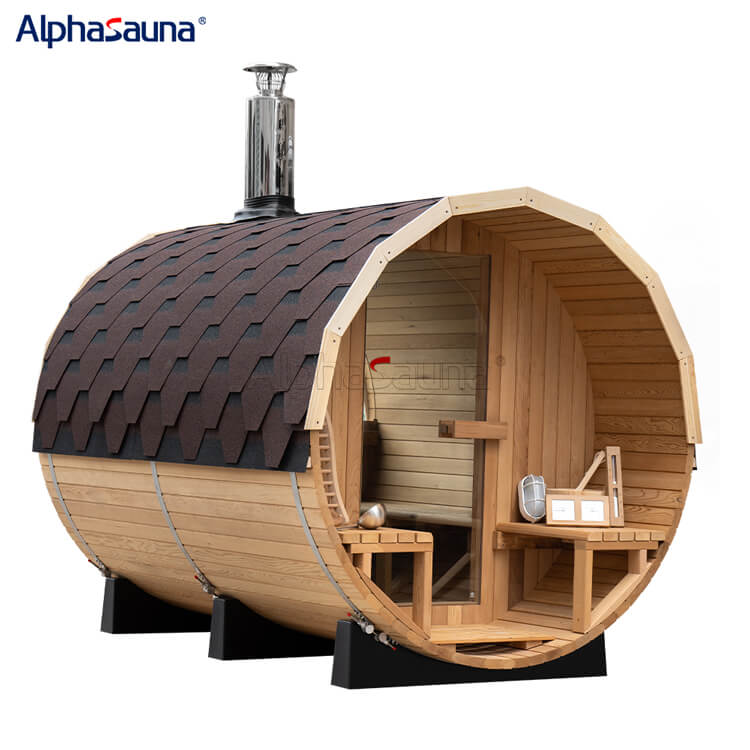 high temperature is an important feature of traditional saunas, which are designed to provide health benefits by heating the body and stimulating sweating. However, the temperature in a sauna room can be fine-tuned to personal preference and comfort, so some people may choose a lower temperature. Traditional saunas also typically feature a low-humidity environment, which has lower humidity than other types of saunas, such as steam saunas. This allows sweat to evaporate quickly, helping to lower body temperature and remove toxins. In a sauna, people usually stay in a hot environment for a period of time, and then rest and cool down in a cooler area. This process can be repeated multiple times, with each stay usually lasting 10 to 20 minutes, accompanied by a rest period. It is important to note that care should be taken to avoid overexposure to high temperatures in a sauna, which can cause health problems, especially for those with heart problems or other health issues.
 high temperature is an important feature of traditional saunas, which are designed to provide health benefits by heating the body and stimulating sweating. However, the temperature in a sauna room can be fine-tuned to personal preference and comfort, so some people may choose a lower temperature. Traditional saunas also typically feature a low-humidity environment, which has lower humidity than other types of saunas, such as steam saunas. This allows sweat to evaporate quickly, helping to lower body temperature and remove toxins. In a sauna, people usually stay in a hot environment for a period of time, and then rest and cool down in a cooler area. This process can be repeated multiple times, with each stay usually lasting 10 to 20 minutes, accompanied by a rest period. It is important to note that care should be taken to avoid overexposure to high temperatures in a sauna, which can cause health problems, especially for those with heart problems or other health issues.
Steam saunas generally have lower temperatures and are in a more moderate range than dry heat saunas. Generally speaking, the temperature of a steam sauna is usually between 70°C and 80°C (160°F and 175°F). These temperatures are still higher than typical room temperature, but lower than other sauna types, such as traditional Finnish saunas. Steam saunas are characterized by air with higher humidity, usually increased by water vapor jets or a humidifier. This makes steam saunas more suitable for those who prefer a humid environment where people typically sweat profusely, which helps relax muscles, increase circulation and remove toxins.
Infrared sauna standard temperature
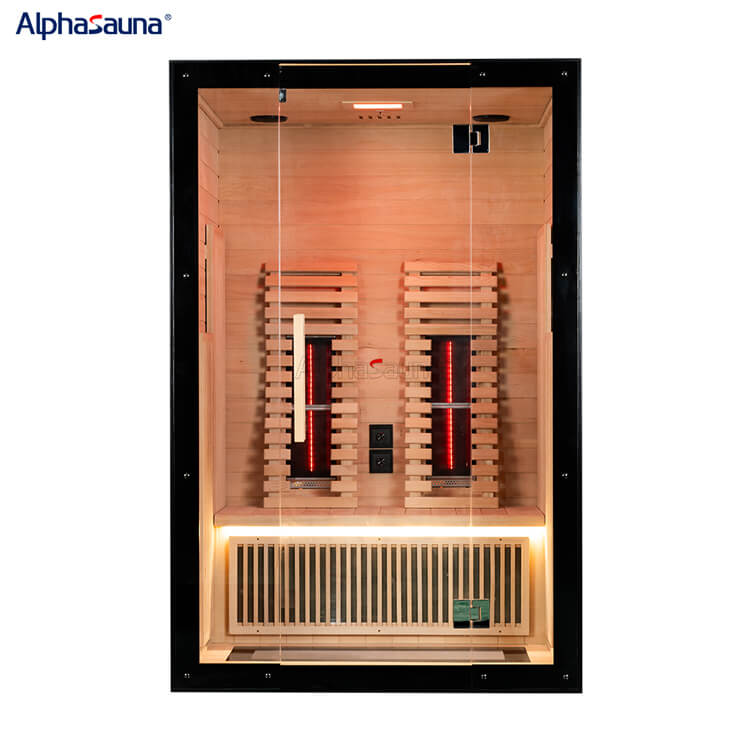
 Infrared saunas usually have much lower temperatures than traditional Finnish saunas. An infrared sauna is a type of sauna based on infrared heating technology, which uses infrared radiation to directly heat the human body without heating the surrounding air. Therefore, infrared sauna temperatures typically range from 40°C to 60°C (104°F to 140°F). This is milder than the high temperature environment of a traditional Finnish sauna. Due to the low temperature of an infrared sauna, it is considered more suitable for those who cannot tolerate extremely high temperatures, or who have certain tolerance limits for high-temperature environments. Infrared saunas are commonly used to relax, reduce muscle tension, improve cardiovascular health and promote overall physical comfort. Infrared radiation penetrates deep into muscle tissue, helping to increase blood circulation and reduce pain.
When is the best time to use a sauna?
The best time to use a sauna can vary depending on individual preferences and intended benefits, but here are some common times when people choose to use saunas:
- After Physical Activity: Many people use saunas after a workout or physical activity. The heat can help relax and soothe sore muscles, and the relaxation it provides can complement the sense of well-being after exercise.
- Before Bedtime: Using a sauna in the evening, just before bedtime, can promote relaxation and better sleep. The rise in body temperature followed by a cool-down period can help induce a sense of calm and drowsiness, making it easier to fall asleep.
- In the Morning: Some people prefer to use a sauna in the morning to wake up, boost circulation, and prepare themselves for the day ahead. It can provide an invigorating start to the day.
- As a Stress Reliever: Whenever you're feeling stressed or tense, a sauna session can help relax your body and mind. This can be done at any time during the day when you need stress relief.
- Social and Recreational Time: Saunas are often used in a social context with friends or family. People may choose to use saunas when socializing and enjoying a leisurely time together.
- As Needed: There's no strict rule regarding the timing of sauna use. You can use it whenever it fits into your schedule and provides the desired benefits. Some people use saunas regularly as part of their routine, while others use them occasionally as needed.
Remember to stay hydrated when using a sauna and be mindful of your body's signals. If you have certain medical conditions or health concerns, it's a good idea to consult with a healthcare professional before using a sauna. Additionally, it's essential to follow safety guidelines and not stay in a sauna for extended periods, especially if it's your first time using one. Sauna preferences and tolerance levels can vary, so listen to your body and adjust your sauna sessions accordingly.
Infrared Saunas vs Traditional Saunas: Exploring the Benefits and Differences
Best time to use cold plunge
Related Article

In this fast-paced world, getting a good night's sleep has become a challenging goal to achieve. People are often troubled by various worries, which not only affect their daily lives but also cause harm to their bodies. I hope this article can help you improve your sleep quality. Please continue reading to learn about the sleep cycle and how to use a sauna to enhance your sleep, so you can greet the new year feeling fully refreshed.
How can using a sauna improve sleep quality?
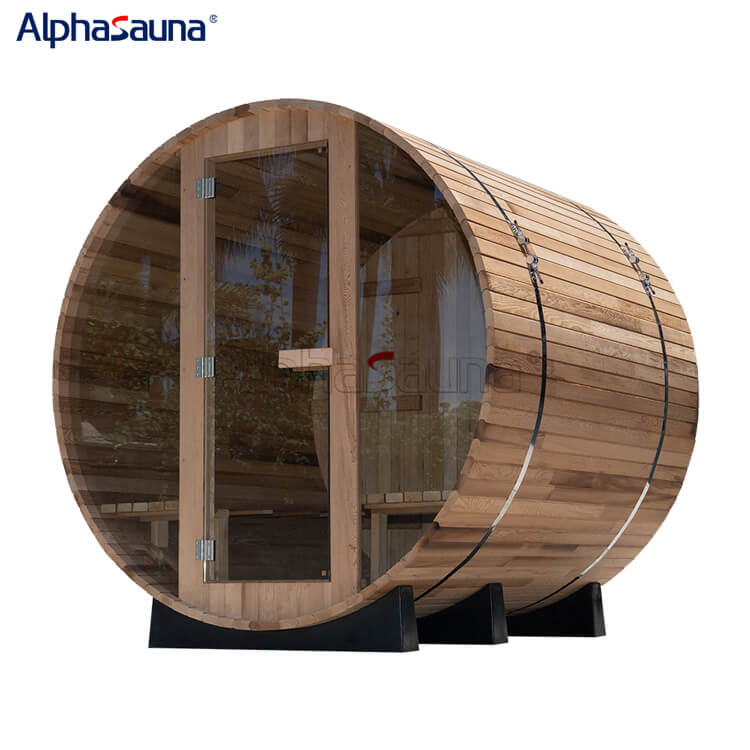
Choosing a good sauna not only enhances your comfort but also boosts your happiness during the sauna experience. This is why Alphasauna prefers the barrel sauna design. Read on to learn everything about this sauna design and the differences between barrel saunas and square saunas!
Why choose a barrel sauna?

People have been exploring various methods to extend their lifespan and slow down the aging process. Scientific research suggests that regular sauna use is closely linked to longevity and overall health. Read on to learn more.
Unlocking the link between saunas and longevity
Although saunas are often used for daily health and relaxation, many athletes find that using a sauna can help them rejuvenate. You might wonder whether it's better to use a sauna before or after exercise. Don't worry—our dedicated team at Alphasauna will explain it to you in detail.
Why do athletes choose saunas for recovery?