


Why Don't i Sweat In the Sauna?
author: Jerry
2023-10-13

Why Don't I Sweat In the Sauna?
Sweating in a sauna is a common expectation when one enters the scorching heat of a sauna room. However, not everyone experiences copious perspiration during a sauna session. This article explores the factors that can affect an individual's ability to sweat in a sauna and tell you: "What's the temperature in a sauna?" and "How hot should a sauna be for health benefits?"
The Sauna Experience
The sauna, a revered tradition in many cultures, offers a myriad of potential health benefits, including relaxation, improved circulation, and detoxification. Sweating is a key component of this experience, as it helps cool the body and eliminate waste products through the skin. However, the extent to which one sweats in a sauna can vary significantly. Let's delve into the factors that can influence this phenomenon.
Hydration Level
Your body's hydration level plays a vital role in how much you sweat in a sauna. If you are adequately hydrated, your body may not need to release as much sweat for cooling purposes. Staying hydrated is essential for overall health and for ensuring that your body can effectively regulate its temperature during sauna sessions.
Heat Acclimation
Sweating efficiency in a sauna can be influenced by your body's acclimation to high temperatures. If you're not accustomed to heat or haven't spent much time in saunas, your body might not respond with profuse sweating immediately. Over time, regular exposure to saunas can help your body become more efficient at releasing sweat in response to heat.
Medications and Health Conditions
Some medications, such as antiperspirants or antihistamines, can interfere with your body's ability to sweat. Additionally, certain medical conditions, like anhidrosis or hypohidrosis, can reduce or impair your body's natural sweating response. It's essential to be aware of any medications you're taking and consult a healthcare professional if you suspect underlying health issues.
Genetics
Genetics can also play a significant role in how much an individual sweats in response to heat. Some people naturally sweat more than others due to genetic factors, which may affect their sauna experience.
Clothing
The type of clothing you wear in the sauna can impact your sweating experience. Moisture-wicking fabrics can draw sweat away from your body, making it less noticeable. Wearing appropriate sauna attire, typically a towel or light clothing, can help promote sweating.
Humidity and temperature
The efficiency of a sauna session can be affected by the sauna room's temperature and humidity conditions. If the sauna isn't hot or humid enough, you might not sweat as much. Standard saunas generally maintain temperatures ranging from 160°F (71°C) to 195°F (90°C), with humidity levels ranging from 10-20%.
What's the temperature in a sauna?
The temperature within a sauna can significantly impact your sweating response. Saunas come in various types, including traditional dry saunas and wet saunas (e.g., steam rooms). The typical temperature range in saunas is between 150°F to 195°F (65°C to 90°C). The exact temperature varies depending on the type of sauna and individual preference. Traditional dry saunas tend to be hotter, whereas steam rooms have a slightly lower temperature range due to the added humidity.
How Hot Should a Sauna Be for Health Benefits?
The heat in saunas can provide a range of health benefits, including relaxation, improved circulation, and detoxification. However, it's essential to consider your personal tolerance and health status when using saunas. For most people, temperatures between 170°F to 195°F (77°C to 90°C) are considered safe and effective for reaping the benefits of a sauna. Spending 15-20 minutes in these conditions can help relax muscles, open pores, and induce a healthy sweat.
Finally, the amount of perspiration you produce in a sauna is determined by a number of factors, including your hydration level, heat acclimatization, heredity, medicines, and health issues. Understanding these aspects might help you get the most out of your sauna experience. The answer to the questions "What's the temperature in a sauna?" and "How hot should a sauna be for health benefits?" is that it depends on your personal comfort and the sort of sauna you're using. The most essential thing is to be comfortable and hydrated while reaping the myriad health advantages that saunas may provide.
Can Sauna Induce Period?
Does The Sauna Help With Anxiety?
Related Article

In this fast-paced world, getting a good night's sleep has become a challenging goal to achieve. People are often troubled by various worries, which not only affect their daily lives but also cause harm to their bodies. I hope this article can help you improve your sleep quality. Please continue reading to learn about the sleep cycle and how to use a sauna to enhance your sleep, so you can greet the new year feeling fully refreshed.
How can using a sauna improve sleep quality?
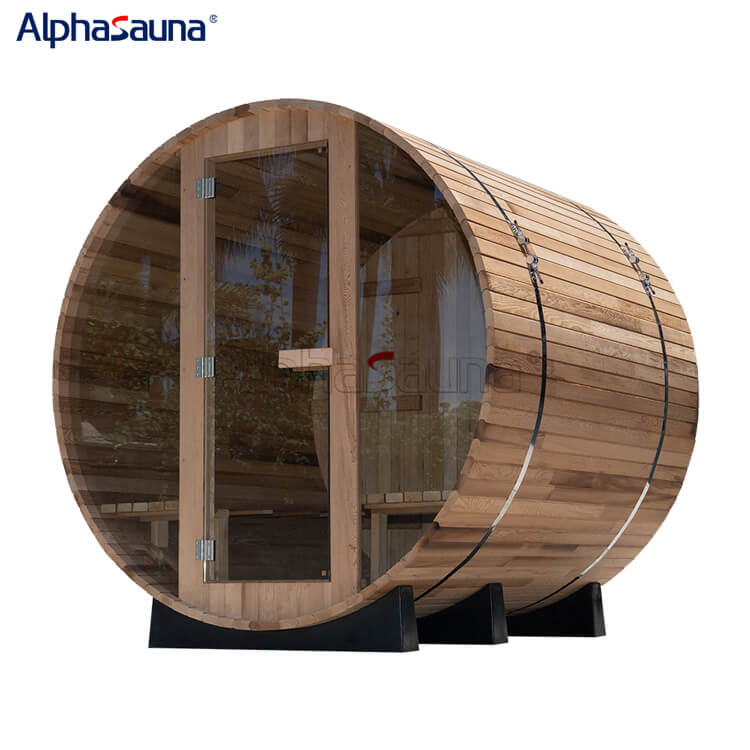
Choosing a good sauna not only enhances your comfort but also boosts your happiness during the sauna experience. This is why Alphasauna prefers the barrel sauna design. Read on to learn everything about this sauna design and the differences between barrel saunas and square saunas!
Why choose a barrel sauna?
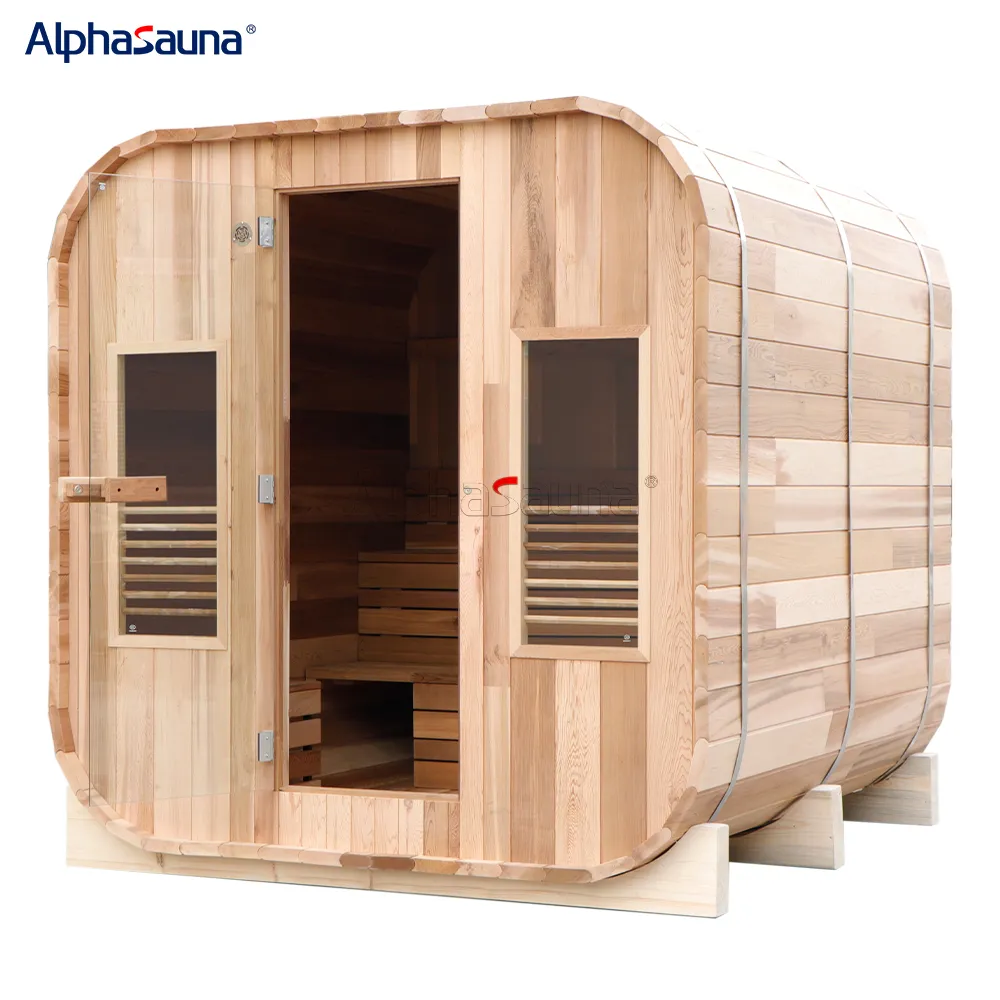
People have been exploring various methods to extend their lifespan and slow down the aging process. Scientific research suggests that regular sauna use is closely linked to longevity and overall health. Read on to learn more.
Unlocking the link between saunas and longevity
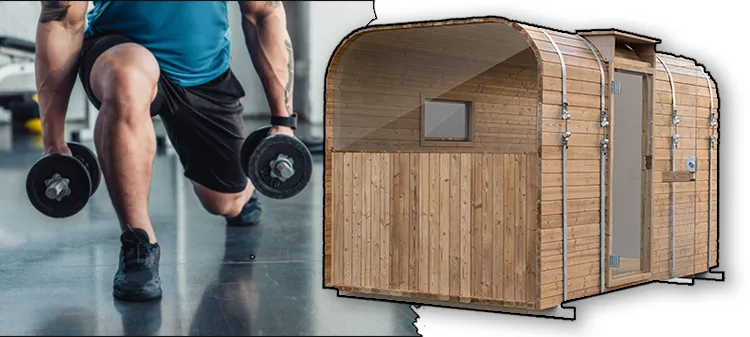
Although saunas are often used for daily health and relaxation, many athletes find that using a sauna can help them rejuvenate. You might wonder whether it's better to use a sauna before or after exercise. Don't worry—our dedicated team at Alphasauna will explain it to you in detail.
Why do athletes choose saunas for recovery?