


Auswahl an Saunaholz
Autor: Jerry
2023-12-01
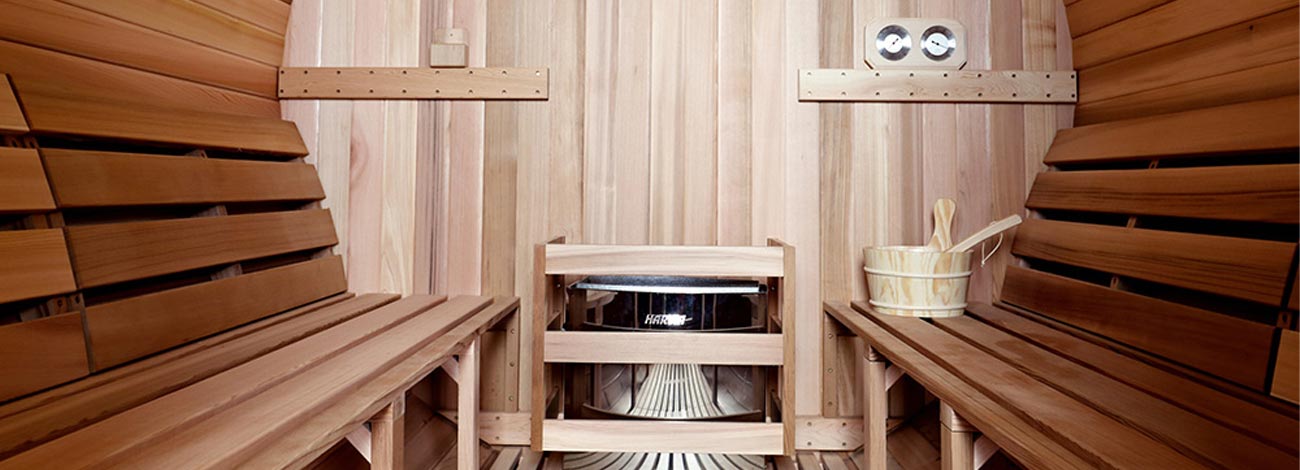
SaunaholzAuswahl
Beim Saunabau ist die Auswahl des Holzes besonders wichtig. Nicht jedes Holz ist für die hohe Temperatur und trockene Umgebung einer Sauna geeignet. Wir müssen nach Holz mit der gleichen Qualität suchen, um einer so hohen Temperatur und trockenen Umgebung standhalten zu können. In diesem Artikel erfahren Sie, welche Hölzer für den Saunabau geeignet sind und welche nicht. Schauen wir uns unten um.
Saunaholz
Die Wahl des Holzes für eine Sauna ist von entscheidender Bedeutung, da dessen Stabilität, Haltbarkeit und Auswirkungen auf die Gesundheit der Benutzer in Umgebungen mit hohen Temperaturen und hoher Luftfeuchtigkeit berücksichtigt werden müssen. Die Folgenden sindSaunaholzarten:
- Rote Zeder:Rotzeder gilt weithin als eine der begehrtestenSaunaholzs. It contains natural preservatives such as thiophenol, which has excellent antifungal and antibacterial properties. Red cedar is also highly resistant to humidity and heat, making it a classic choice.
- Alder (Aspen):Alder is favored for its excellent resistance to moisture. Not only does this wood remain stable in high-humidity environments, but its light hue provides the sauna with a bright ambience. Alder wood is less susceptible to allergic reactions and is an environmentally friendly choice.
- Hemlock:Hemlock is a hard wood that is well suited to withstand high temperatures and humidity. Its pale yellow appearance gives the sauna a warm feel. In addition, the texture of Hyklia wood also adds a lot of color to the sauna.
- White Pine:White Pine is popular because it is affordable and relatively lightweight. This wood has excellent adaptability to high-humidity environments, but its relatively light density may require more frequent maintenance.
- Cherry:Cherry wood is a high-end choice whose dark grain and color infuse a sauna with elegance. However, cherry wood is usually more expensive and is suitable for those who pay attention to the design and decoration of the sauna room.
- Western Red Cedar:This is a wood from North America that is similar to red cedar and is naturally rot-resistant and durable. The reddish-brown appearance of Spanish Myrtle brings warmth and sophistication to the sauna.
When choosing wood for your sauna, avoid wood that has been chemically treated to prevent the release of harmful gases at high temperatures. Additionally, ensure that the wood is sourced from regulatory compliance to maintain environmental sustainability. Regular maintenance and cleaning are essential to extend the life of yoursauna wood. By choosing the appropriate wood, users can have a more pleasant and healthy experience in the sauna.
Comparing red cedar, alder, hyklia, sauna pine, cherry wood, and Spanish myrtle, which of these types of wood is more suitable for building a sauna?
That is, of course, sauna pine. Sauna pine is specially designed for sauna environments. It has good heat and moisture resistance, is relatively affordable, and has a relatively high cost performance.
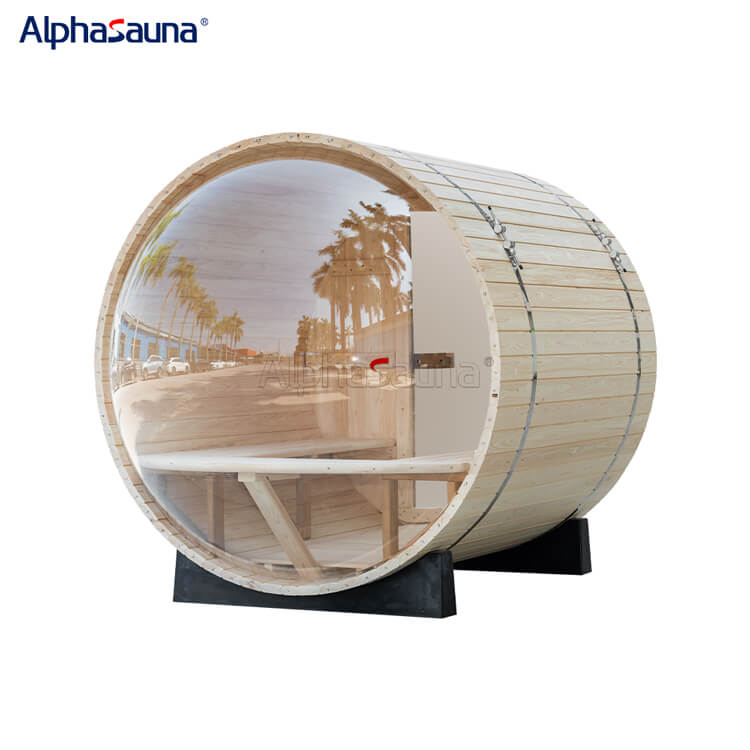
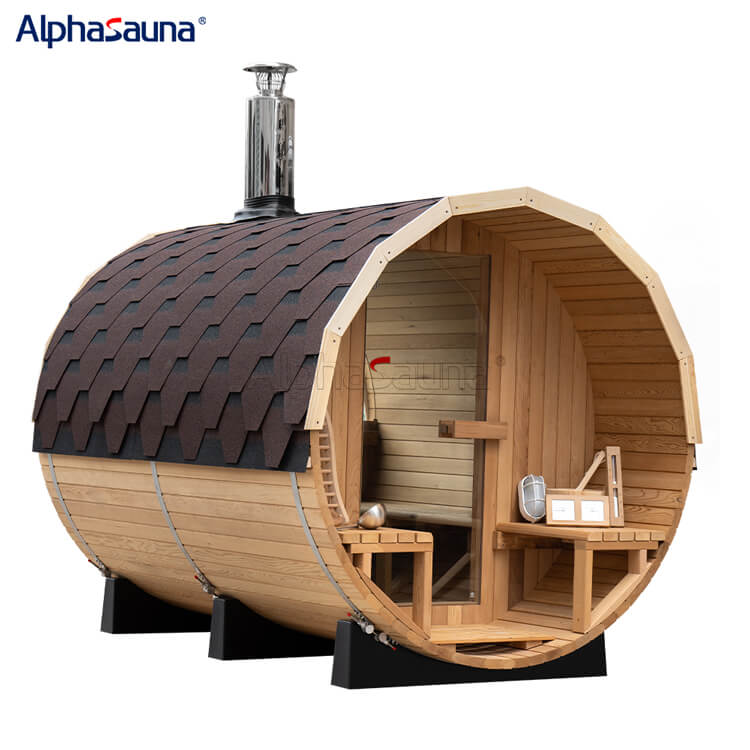
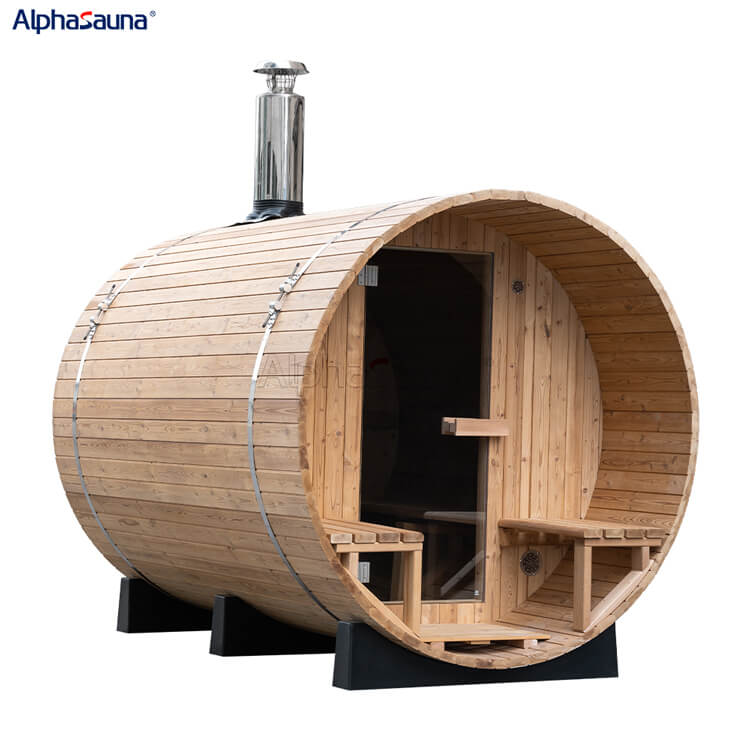
The most cost-effective wood
Generally speaking, the most cost-effective woods in saunas may be White Pine and Aspen. If your budget is insufficient, you can consider these two types of wood as materials for building a sauna.
- White Pine:Sauna pine is generally a relatively economical choice, and it is highly adaptable to high-humidity environments. However, sauna pine is relatively lightweight and may require more frequent maintenance, but may be more affordable in terms of overall cost.
- Aspen:Alder is also an affordable choice and resists moisture better. The light tones of alder wood create a refreshing atmosphere in the sauna while being less likely to cause allergic reactions, making it an environmentally friendly option.
Both types of wood provide good performance in a sauna environment and are relatively more economical than some high-end woods. However, the specific choice also depends on one's budget, aesthetic preferences, and tolerance for maintenance.
It is worth noting that high-end woods such as cherry, red cedar and western red cedar may perform better in terms of appearance and durability, but may also cause higher investment cost. Ultimately, choosing the wood that best suits your needs and budget is key to ensuring the best value for money in your sauna.
Which woods are not suitable for building a sauna? Why?
A sauna is a high-temperature, high-humidity environment, so choosing the right wood is crucial to its construction. Here are some woods that are not suitable for building a sauna and why:
Pine:
Reason:Pine wood is prone to deformation, cracking and rot when exposed to high temperatures and humidity. The high temperature and humidity conditions within the sauna accelerate this process, making pine unsuitable for sauna construction.
Cedar:
Reason:While some may choose red snow fir because of its resistance to humidity and insect damage, the heat and humidity inside a sauna can still cause the wood to warp and crack. In addition, some fir trees may contain natural balsams that may release odors when exposed to high temperatures.
Birch:
Reason:Birch is prone to warping when exposed to high temperatures and humidity, and its wood fibers can be damaged in sauna conditions.
Poplar:
Reason:Poplar wood is relatively soft and prone to moisture, deformation and cracking, and is not suitable for use in sauna environments with high temperatures and humidity.
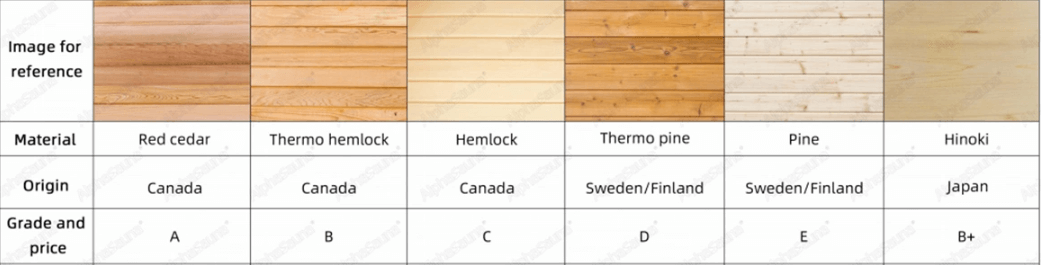
What is the best wood to use inside a sauna?
When choosing wood for your sauna, consider factors such as heat resistance, durability, and resistance to moisture. Here are some wood options commonly used in sauna rooms:
Cedar (Spanish myrtle or red cedar):
Pros:Cedar is a popular choice for saunas because of its natural resistance to rot, insects, and moisture. It has a pleasant aroma and excellent heat resistance.
Factors to Consider:Spanish Myrtle is generally favored for its stability and durability.
Hyklia wood:
Advantages:Hyklia is a light wood with moderate density. It has good resistance to temperature changes and is suitable for sauna use.
Considerations:Although Hyklia wood is a suitable choice, it is relatively soft.
Abachi wood:
Advantages:Abachi wood is known for its light weight, excellent insulating properties and resistance to moisture. Still cool to the touch even in high temperatures.
Factors to Consider:The Abache is an upscale option with a higher price tag.
Beech:
Advantages:Beech is a lightweight wood with good heat resistance. Relatively stable and lighter in color.
Considerations:While it can be used in saunas, it may be less common than cedar or hyklian wood.
Ou Baihua:
Pros:Birch is a hardwood that resists rot and insects. Good stability and suitable for sauna construction.
Factors to consider:Birch does not have the same aroma as cedar, which may be a matter of personal preference.
Poplar:
Advantages:Aspen is a light-colored wood that is somewhat resistant to temperature changes. Although it is soft wood, it can be used in saunas.
Considerations:Aspen is relatively less durable than some hardwoods and may require more maintenance.
Alphasaunais a professional sauna manufacturer that provides customized services. We have a variety of woods to suit your needs, so you can choose a sauna that suits your budget and preferences. Come and buy now!
Die zwei Welten von Eis und Feuer – Sauna und Eisbad
Vermeiden Sie die Schmerzen bei Gicht
Verwandter Artikel

In dieser schnelllebigen Welt ist es zu einem anspruchsvollen Ziel geworden, gut zu schlafen. Menschen werden oft von verschiedenen Sorgen geplagt, die nicht nur ihr tägliches Leben beeinträchtigen, sondern auch ihrem Körper schaden. Ich hoffe, dieser Artikel kann Ihnen helfen, Ihre Schlafqualität zu verbessern. Bitte lesen Sie weiter, um mehr über den Schlafzyklus zu erfahren und wie Sie die Sauna nutzen können, um Ihren Schlaf zu verbessern, damit Sie das neue Jahr erholt begrüßen können.
Wie kann ein Saunabesuch die Schlafqualität verbessern?
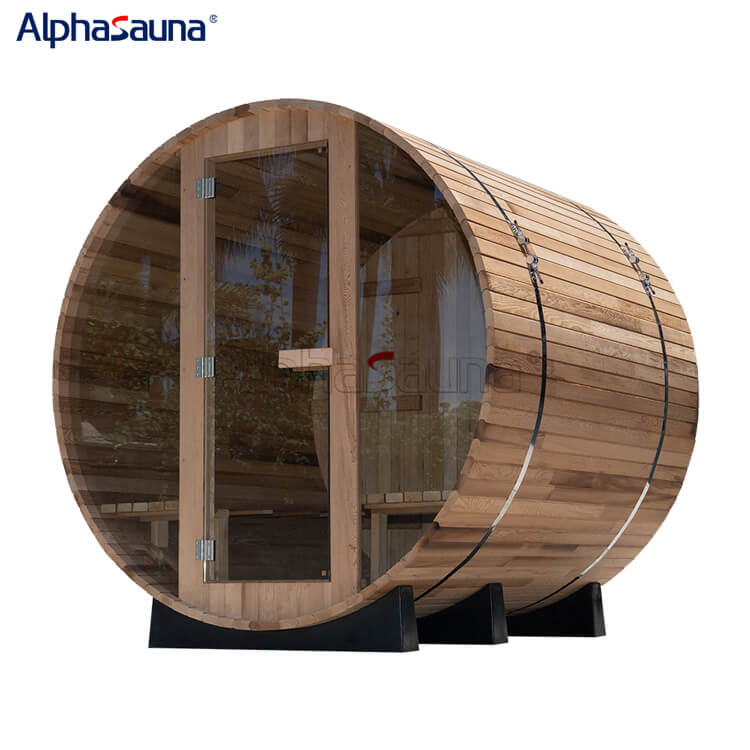
Die Wahl einer guten Sauna erhöht nicht nur Ihren Komfort, sondern steigert auch Ihr Glück beim Saunaerlebnis. Aus diesem Grund bevorzugt Alphasauna das Fasssauna-Design. Lesen Sie weiter, um alles über dieses Saunadesign und die Unterschiede zwischen Fasssaunen und quadratischen Saunen zu erfahren!
Warum eine Fasssauna wählen?
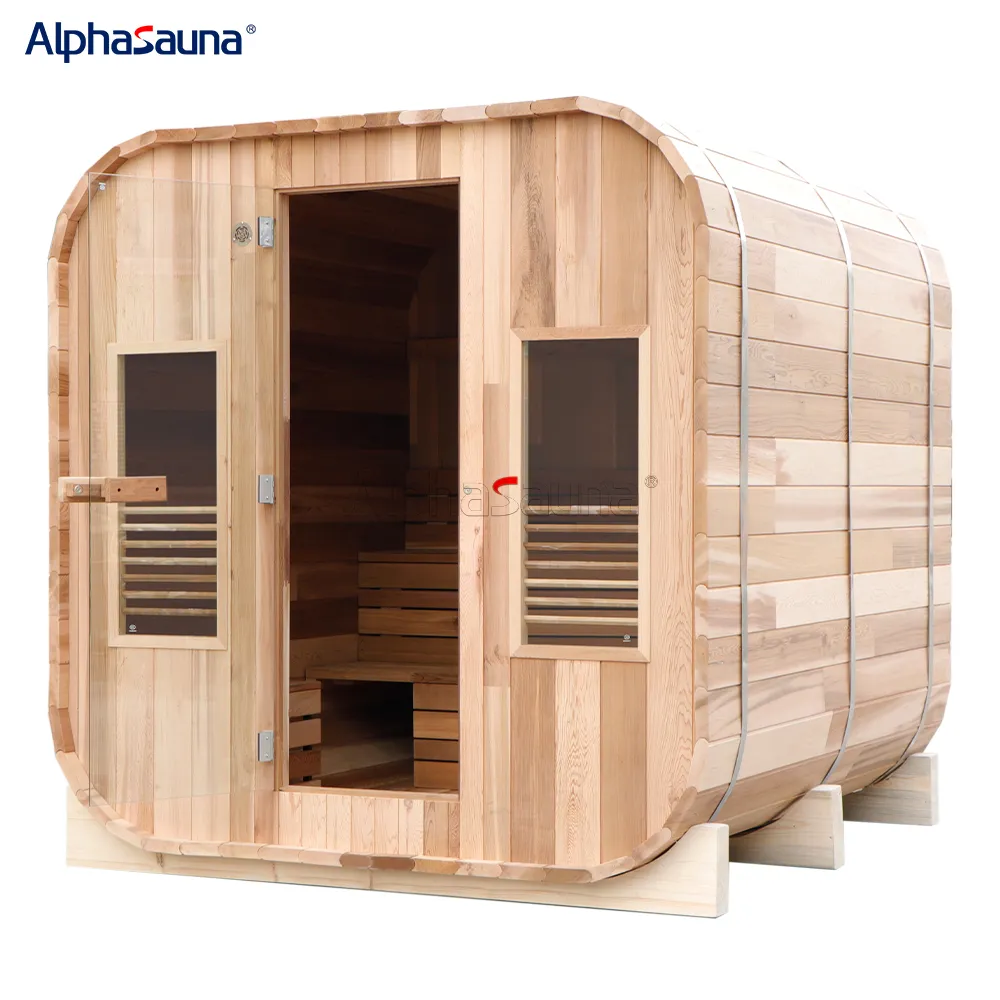
Menschen haben verschiedene Methoden erforscht, um ihre Lebensdauer zu verlängern und den Alterungsprozess zu verlangsamen. Wissenschaftliche Untersuchungen legen nahe, dass die regelmäßige Nutzung der Sauna eng mit der Langlebigkeit und der allgemeinen Gesundheit zusammenhängt. Lesen Sie weiter, um mehr zu erfahren.
Den Zusammenhang zwischen Saunen und Langlebigkeit entschlüsseln
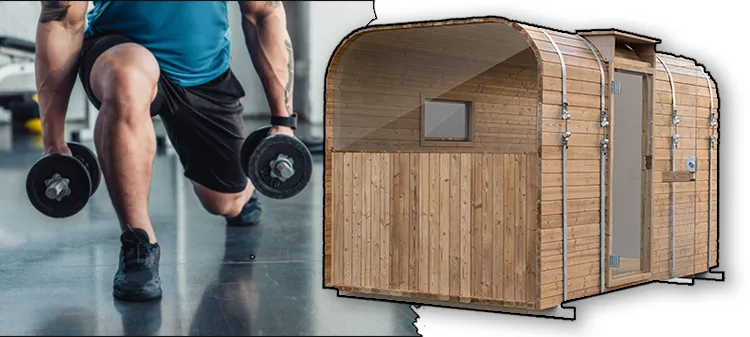
Obwohl Saunen oft der täglichen Gesundheit und Entspannung dienen, finden viele Sportler, dass der Saunabesuch ihnen dabei helfen kann, sich zu regenerieren. Sie fragen sich vielleicht, ob es besser ist, vor oder nach dem Training in die Sauna zu gehen. Keine Sorge – unser engagiertes Team von Alphasauna erklärt es Ihnen ausführlich.
Warum entscheiden sich Sportler für die Erholung in der Sauna?