사우나 목재 선택
작가: 실내 변기
2023-12-01
사우나 목재선택
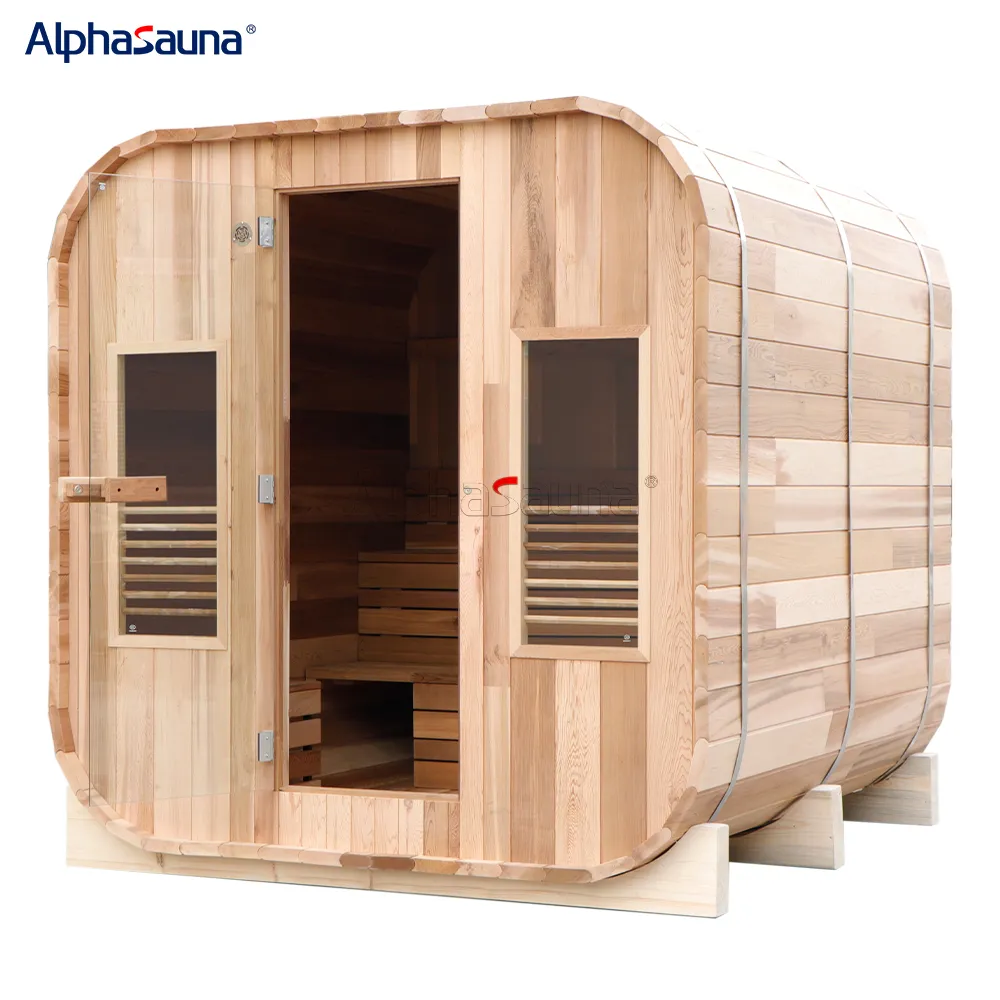
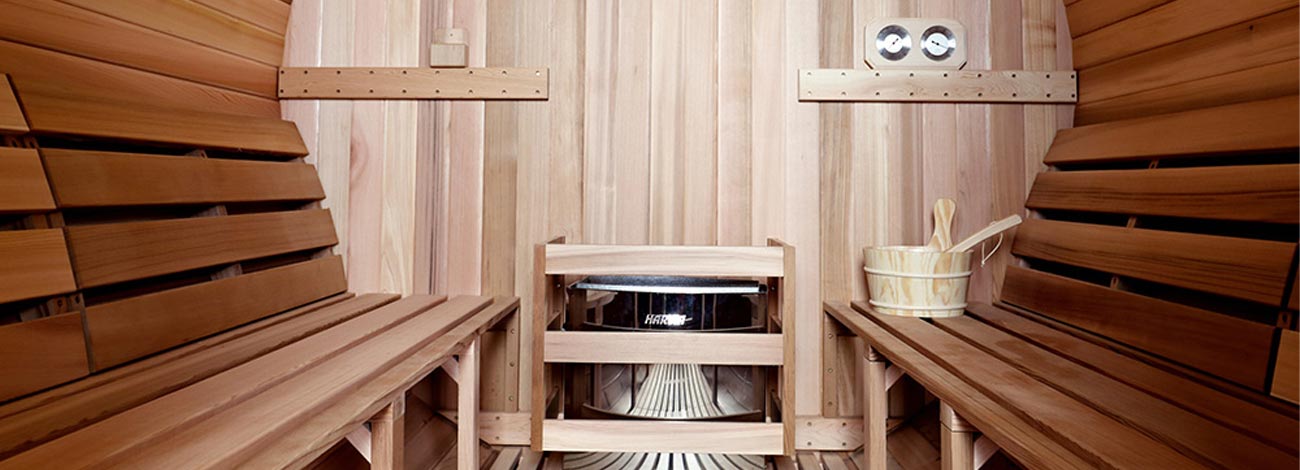
목재 선택은 사우나를 만드는 데 특히 중요합니다. 모든 목재가 사우나의 고온 및 건조한 환경에 적합한 것은 아닙니다. 이처럼 고온, 건조한 환경을 견딜 수 있으려면 동일한 품질의 목재를 찾아야 합니다. 이 기사에서는 어떤 숲이 사우나 건설에 적합한지, 어떤 숲이 사우나에 적합하지 않은지 알려줄 것입니다. 아래를 살펴보겠습니다.
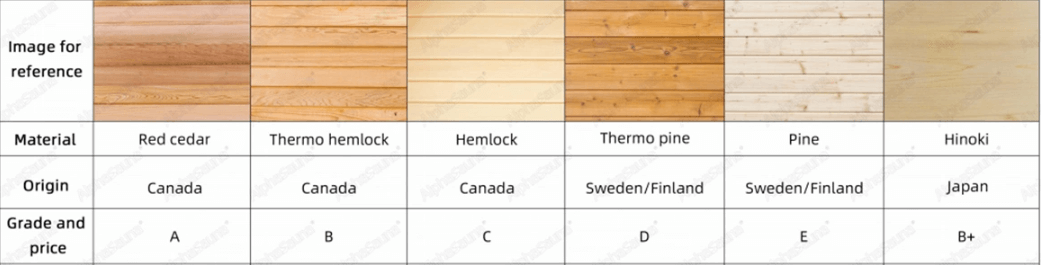
사우나 목재
사우나용 목재의 선택은 안정성, 내구성, 고온다습한 환경에서 사용자의 건강에 미치는 영향을 고려해야 하기 때문에 매우 중요합니다. 다음은사우나 나무 종류:
- 붉은 삼나무:붉은 삼나무는 가장 바람직한 나무 중 하나로 널리 알려져 있습니다.사우나 나무s. It contains natural preservatives such as thiophenol, which has excellent antifungal and antibacterial properties. Red cedar is also highly resistant to humidity and heat, making it a classic choice.
- Alder (Aspen):Alder is favored for its excellent resistance to moisture. Not only does this wood remain stable in high-humidity environments, but its light hue provides the sauna with a bright ambience. Alder wood is less susceptible to allergic reactions and is an environmentally friendly choice.
- Hemlock:Hemlock is a hard wood that is well suited to withstand high temperatures and humidity. Its pale yellow appearance gives the sauna a warm feel. In addition, the texture of Hyklia wood also adds a lot of color to the sauna.
- White Pine:White Pine is popular because it is affordable and relatively lightweight. This wood has excellent adaptability to high-humidity environments, but its relatively light density may require more frequent maintenance.
- Cherry:Cherry wood is a high-end choice whose dark grain and color infuse a sauna with elegance. However, cherry wood is usually more expensive and is suitable for those who pay attention to the design and decoration of the sauna room.
- Western Red Cedar:This is a wood from North America that is similar to red cedar and is naturally rot-resistant and durable. The reddish-brown appearance of Spanish Myrtle brings warmth and sophistication to the sauna.
When choosing wood for your sauna, avoid wood that has been chemically treated to prevent the release of harmful gases at high temperatures. Additionally, ensure that the wood is sourced from regulatory compliance to maintain environmental sustainability. Regular maintenance and cleaning are essential to extend the life of yoursauna wood. By choosing the appropriate wood, users can have a more pleasant and healthy experience in the sauna.
Comparing red cedar, alder, hyklia, sauna pine, cherry wood, and Spanish myrtle, which of these types of wood is more suitable for building a sauna?
That is, of course, sauna pine. Sauna pine is specially designed for sauna environments. It has good heat and moisture resistance, is relatively affordable, and has a relatively high cost performance.
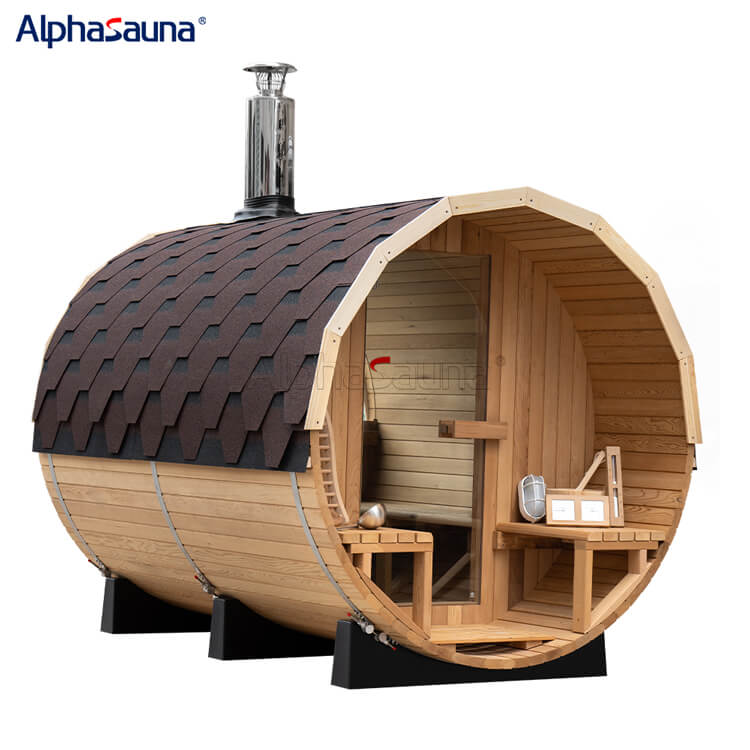
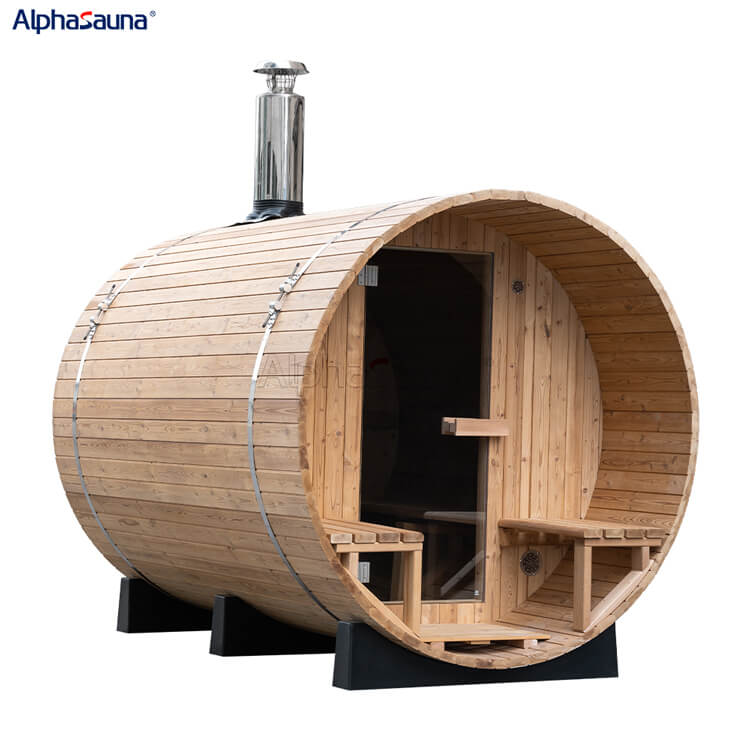
The most cost-effective wood
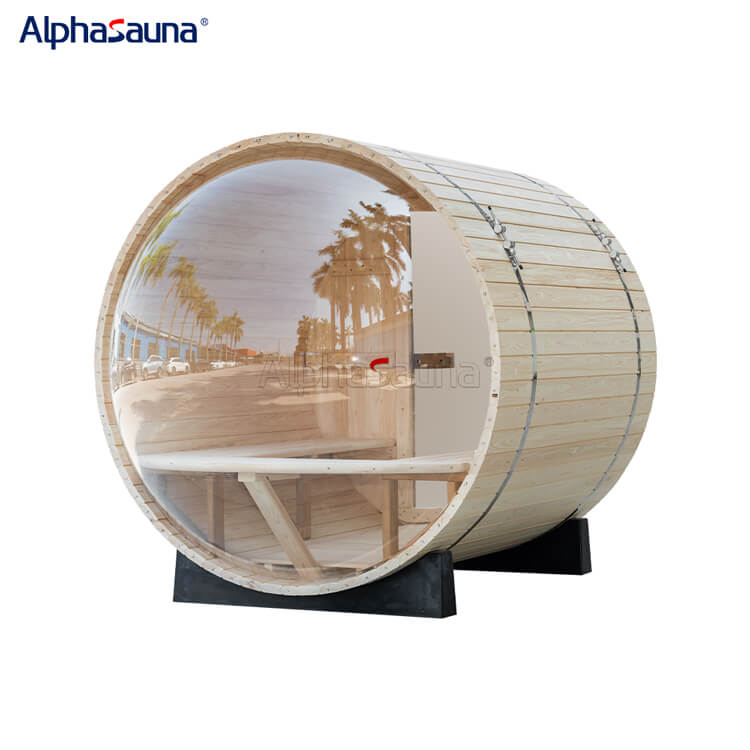
Generally speaking, the most cost-effective woods in saunas may be White Pine and Aspen. If your budget is insufficient, you can consider these two types of wood as materials for building a sauna.
- White Pine:Sauna pine is generally a relatively economical choice, and it is highly adaptable to high-humidity environments. However, sauna pine is relatively lightweight and may require more frequent maintenance, but may be more affordable in terms of overall cost.
- Aspen:Alder is also an affordable choice and resists moisture better. The light tones of alder wood create a refreshing atmosphere in the sauna while being less likely to cause allergic reactions, making it an environmentally friendly option.
Both types of wood provide good performance in a sauna environment and are relatively more economical than some high-end woods. However, the specific choice also depends on one's budget, aesthetic preferences, and tolerance for maintenance.
It is worth noting that high-end woods such as cherry, red cedar and western red cedar may perform better in terms of appearance and durability, but may also cause higher investment cost. Ultimately, choosing the wood that best suits your needs and budget is key to ensuring the best value for money in your sauna.
Which woods are not suitable for building a sauna? Why?
A sauna is a high-temperature, high-humidity environment, so choosing the right wood is crucial to its construction. Here are some woods that are not suitable for building a sauna and why:
Pine:
Reason:Pine wood is prone to deformation, cracking and rot when exposed to high temperatures and humidity. The high temperature and humidity conditions within the sauna accelerate this process, making pine unsuitable for sauna construction.
Cedar:
Reason:While some may choose red snow fir because of its resistance to humidity and insect damage, the heat and humidity inside a sauna can still cause the wood to warp and crack. In addition, some fir trees may contain natural balsams that may release odors when exposed to high temperatures.
Birch:
Reason:Birch is prone to warping when exposed to high temperatures and humidity, and its wood fibers can be damaged in sauna conditions.
Poplar:
Reason:Poplar wood is relatively soft and prone to moisture, deformation and cracking, and is not suitable for use in sauna environments with high temperatures and humidity.
What is the best wood to use inside a sauna?
When choosing wood for your sauna, consider factors such as heat resistance, durability, and resistance to moisture. Here are some wood options commonly used in sauna rooms:
Cedar (Spanish myrtle or red cedar):
Pros:Cedar is a popular choice for saunas because of its natural resistance to rot, insects, and moisture. It has a pleasant aroma and excellent heat resistance.
Factors to Consider:Spanish Myrtle is generally favored for its stability and durability.
Hyklia wood:
Advantages:Hyklia is a light wood with moderate density. It has good resistance to temperature changes and is suitable for sauna use.
Considerations:Although Hyklia wood is a suitable choice, it is relatively soft.
Abachi wood:
Advantages:Abachi wood is known for its light weight, excellent insulating properties and resistance to moisture. Still cool to the touch even in high temperatures.
Factors to Consider:The Abache is an upscale option with a higher price tag.
Beech:
Advantages:Beech is a lightweight wood with good heat resistance. Relatively stable and lighter in color.
Considerations:While it can be used in saunas, it may be less common than cedar or hyklian wood.
Ou Baihua:
Pros:Birch is a hardwood that resists rot and insects. Good stability and suitable for sauna construction.
Factors to consider:Birch does not have the same aroma as cedar, which may be a matter of personal preference.
Poplar:
Advantages:Aspen is a light-colored wood that is somewhat resistant to temperature changes. Although it is soft wood, it can be used in saunas.
Considerations:Aspen is relatively less durable than some hardwoods and may require more maintenance.
Alphasaunais a professional sauna manufacturer that provides customized services. We have a variety of woods to suit your needs, so you can choose a sauna that suits your budget and preferences. Come and buy now!
얼음과 불의 두 세계 - 사우나와 얼음탕
통풍의 고통을 피하십시오
관련 기사

빠르게 변화하는 이 세상에서 숙면을 취하는 것은 달성하기 어려운 목표가 되었습니다. 사람들은 일상생활에 지장을 줄 뿐만 아니라 신체에 해를 끼치는 다양한 걱정거리들로 인해 괴로움을 겪는 경우가 많습니다. 이 글이 여러분의 수면의 질을 향상시키는 데 도움이 되기를 바랍니다. 계속해서 읽어보시고 수면주기와 사우나를 활용하여 숙면을 취하는 방법에 대해 알아보고, 새해를 기분 좋게 맞이하시기 바랍니다.
사우나를 사용하면 어떻게 수면의 질이 향상될 수 있나요?
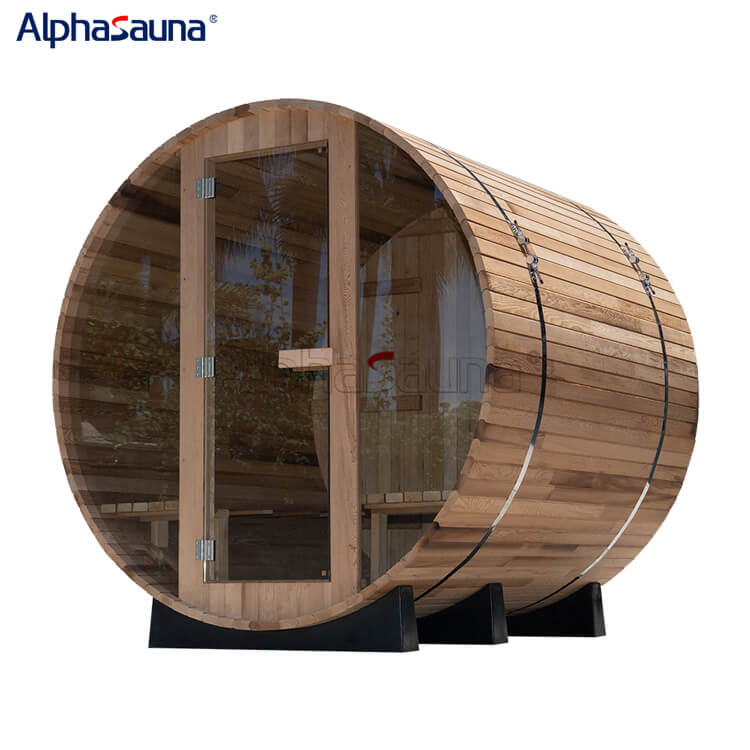
좋은 사우나를 선택하면 편안함이 향상될 뿐만 아니라 사우나를 경험하는 동안 행복감도 높아집니다. 이것이 Alphasauna가 배럴형 사우나 디자인을 선호하는 이유입니다. 이 사우나 디자인에 대한 모든 내용과 배럴 사우나와 사각형 사우나의 차이점을 알아보려면 계속 읽어보세요!
배럴 사우나를 선택하는 이유는 무엇입니까?