


Hot Tubs and Saunas
author: Jerry
2023-12-14
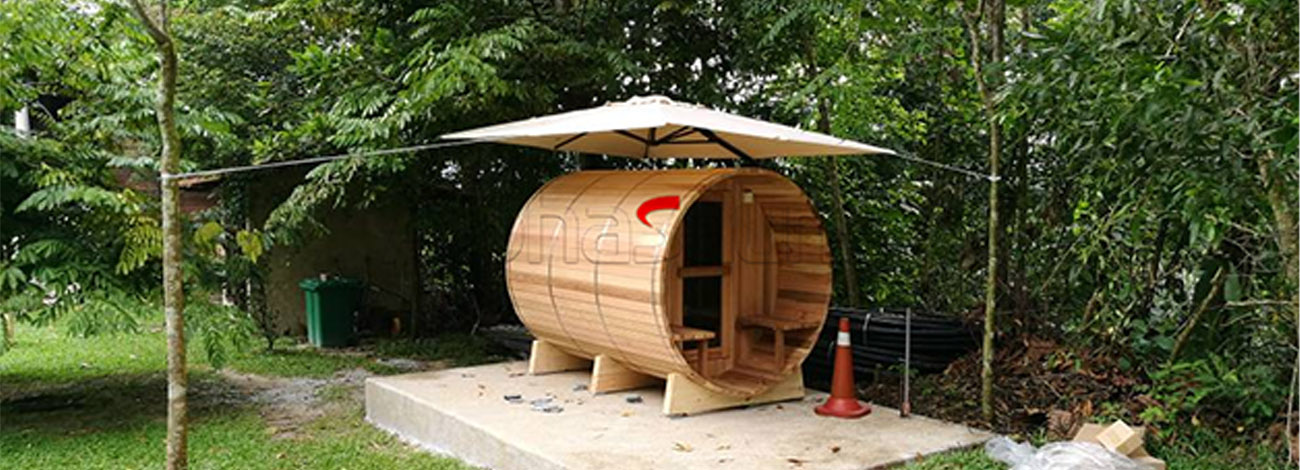
Hot Tubs and Saunas
In contemporary life, as people's demands for health and leisure continue to increase, hot tubs and saunas, two traditional health methods, are experiencing an unprecedented rise. This trend is not only rapidly gaining popularity in homes, but is also becoming an essential fixture in health clubs and high-end hotels. The comfortable hot springs of the hot tub and the dry steaming effect of the sauna not only bring people physical comfort, but also inspire the pursuit of healthy life deep in the soul.
Hot tub benefits
Relieve muscle fatigue: The warm water temperature in a hot tub helps soothe tense muscles, reduce fatigue after exercise, and also helps relieve muscle and joint pain.
Promotes blood circulation: The warmth of hot water helps dilate blood vessels and promotes blood circulation. This not only helps supply adequate oxygen and nutrients to all parts of the body, but also helps eliminate waste from the body.
Relieves Stress and Anxiety: Hot tubs can create a relaxing atmosphere that can help reduce psychological stress and anxiety. The warm water temperature helps release stress from the body, making one feel more peaceful and relaxed.
Improve sleep quality: Soaking in a hot tub before bed can help raise your body temperature and lower it quickly after you leave the tub. This process of rising and falling body temperature helps adjust the biological clock and improve the quality of sleep.
Promote body detoxification: Through sweat glands, hot tubs can help the body eliminate excess salt, waste and toxins, helping to clean the skin and maintain a healthy state.
Relieve respiratory problems: Hot water steam helps soothe the respiratory tract and relieve symptoms such as colds and nasal congestion. This is especially beneficial for those who have respiratory discomfort or suffer from respiratory conditions such as asthma.

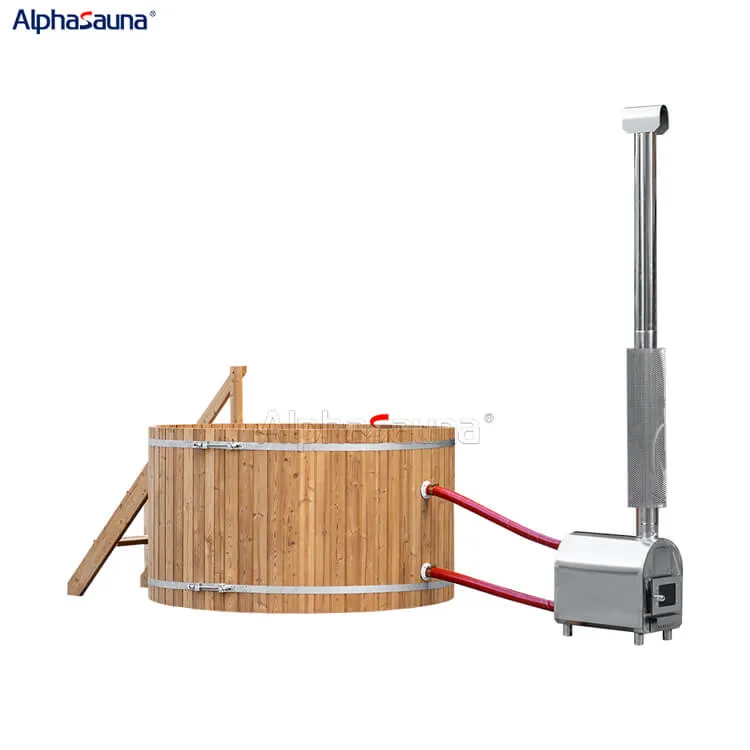
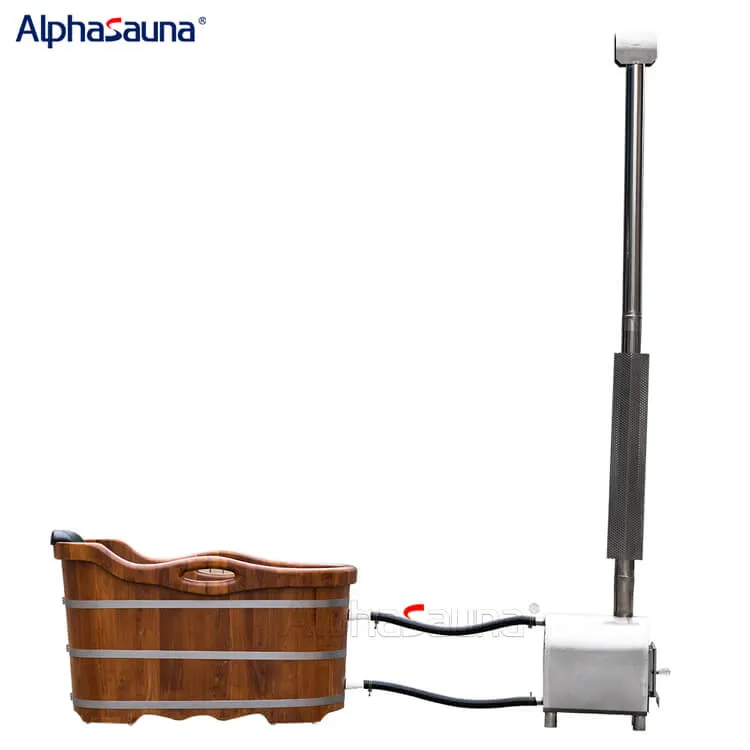
The unique charm of sauna
Deep cleansing and detoxification: The high-temperature environment of the sauna can discharge waste and toxins from the body through large amounts of sweat, promote metabolism, improve the body's self-cleaning ability, and help maintain health.
Promote circulatory system: Under high temperature conditions, blood vessels will expand and increase blood flow, thus improving blood circulation. This helps oxygen and nutrients be delivered more efficiently to all parts of the body, while also helping to soothe pain and relieve muscle tension.
Cardiovascular health: When using a sauna, the heart works more actively, which has an effect similar to that of light exercise and helps maintain cardiovascular health.
Relaxes tense muscles: High temperatures can make muscles relax more easily, reducing tension and fatigue. This has a significant effect on relieving body aches and improving joint flexibility.
Improve the immune system: Regular sauna use can increase antibody levels in the body, enhance immune system function, and help the body better resist disease.
Psychological relaxation and anxiety relief: In the quiet environment of a sauna, people are often able to quickly relax and relieve anxiety and stress. This mental peace helps improve overall quality of life.
Promote sleep: Regular sauna use can help adjust the body's biological clock and improve the quality of sleep. After a sauna session, the natural drop in body temperature helps the body enter a deeper state of sleep.

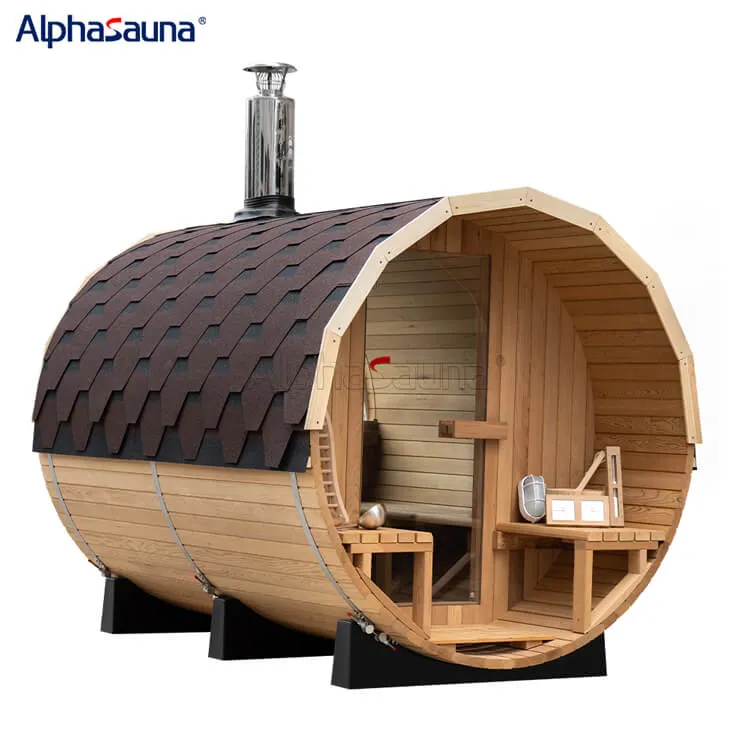
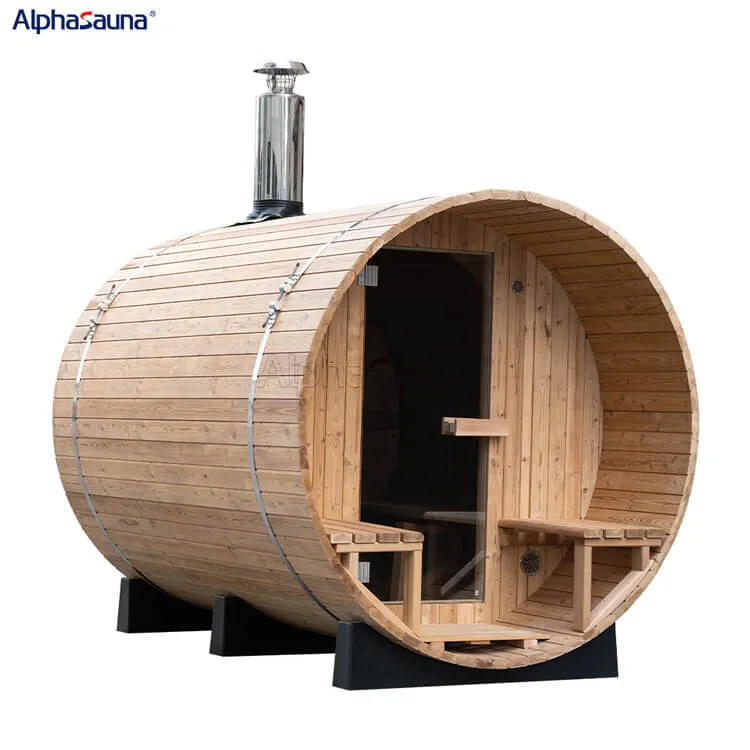
How to use a hot tub and sauna?
To use a hot tub:
Temperature adjustment: Make sure the water is at a moderate temperature, usually between 38°C and 40°C. Elderly people, pregnant women, and people with health problems such as heart disease should follow their doctor's advice.
Bathing time: It is not advisable to take a bath for too long, usually 15-30 minutes is appropriate. Excessively long soaks can lead to dehydration and other health problems.
Maintain Water Quality: Regularly check and maintain your hot tub water quality to ensure it is clean and sanitary. Use appropriate chemicals and filtration systems.
Warm up your body: Before entering the hot tub, perform a light warm-up exercise to help reduce muscle tension.
Avoid Overdrinking: Over-consumption of body fluids in a hot tub should be avoided, as this can lead to dehydration.
To use a sauna:
Warm up the body: Before entering the sauna, perform light warm-up exercises to help increase body temperature and promote blood circulation.
Time control: The stay time in the sauna is generally 15-20 minutes. Avoid excessive stay to avoid burdening the cardiovascular system.
Shower cleansing: After using the sauna, shower with cold water in time to help lower body temperature, promote sweat evaporation, and clean the skin.
Hydration: After sauna, it is necessary to replenish body fluids in time. Drinking water is an important part. But avoid drinking alcohol and diuretic substances like coffee to avoid worsening dehydration.
Pay attention to your health: If you have chronic diseases such as cardiovascular disease, high blood pressure, or are pregnant women and other special groups, it is best to consult a doctor before using a sauna.
Why do hot tubs and saunas make you tired
Vasodilation and blood flow redistribution: The heat in hot springs and saunas causes vasodilation, the dilation or widening of blood vessels. This process helps improve blood circulation and provide more oxygen to the tissues. However, this also means blood is redistributed in the body, which may make you feel a little dizzy or tired.
Increased heart rate: The heat in hot springs and saunas causes an increase in heart rate as the body works to cool itself down through a process of self-cooling called thermoregulation. The heart works harder to pump blood to the surface of the skin, promoting heat dissipation through sweating. Increased heart rate, combined with a relaxing environment, can lead to feelings of fatigue.
Dehydration: Soaking in hot water or staying in a sauna can cause dehydration as the body loses fluid through sweating. Dehydration can lead to feelings of fatigue and lethargy. It is important to stay hydrated before, during and after using a spa or sauna.
Relaxation and calming effect: The heat of hot springs and saunas has a relaxing effect on the muscles and mind. The release of tension and stress may lead to a sense of calm and tranquility, which may contribute to feelings of fatigue. In addition, heat can prompt the release of endorphins, the body's natural feel-good chemicals that may also contribute to feelings of relaxation.
Body Temperature Changes: After exposure to heat, the body goes through a series of cooling processes. This cooling process may cause a drop in body temperature, which may cause feelings of fatigue or drowsiness.
If you feel tired after a sauna or a bath, the most likely reason is that they have a relaxing effect.
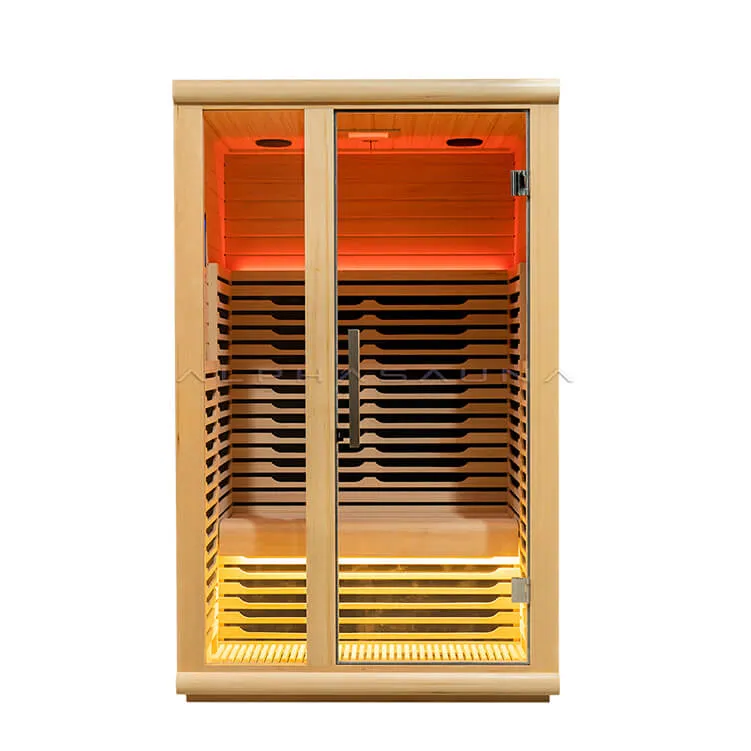


Are hot baths as good as saunas
Comparing the benefits of hot bath and sauna above, in fact, they each have their own advantages. Sauna temperatures are higher and can cleanse our skin. Hot bath can relieve the discomfort of our respiratory tract. It’s best to choose the relaxation method that suits you.
If you want to invest in a hot baths or sauna for yourself, you may wish to visit Alphasauna’s website for more details
Indoor Sauna Ventilation Guide
Why saunas are good for our skin: Make you glow
Related Article

In this fast-paced world, getting a good night's sleep has become a challenging goal to achieve. People are often troubled by various worries, which not only affect their daily lives but also cause harm to their bodies. I hope this article can help you improve your sleep quality. Please continue reading to learn about the sleep cycle and how to use a sauna to enhance your sleep, so you can greet the new year feeling fully refreshed.
How can using a sauna improve sleep quality?
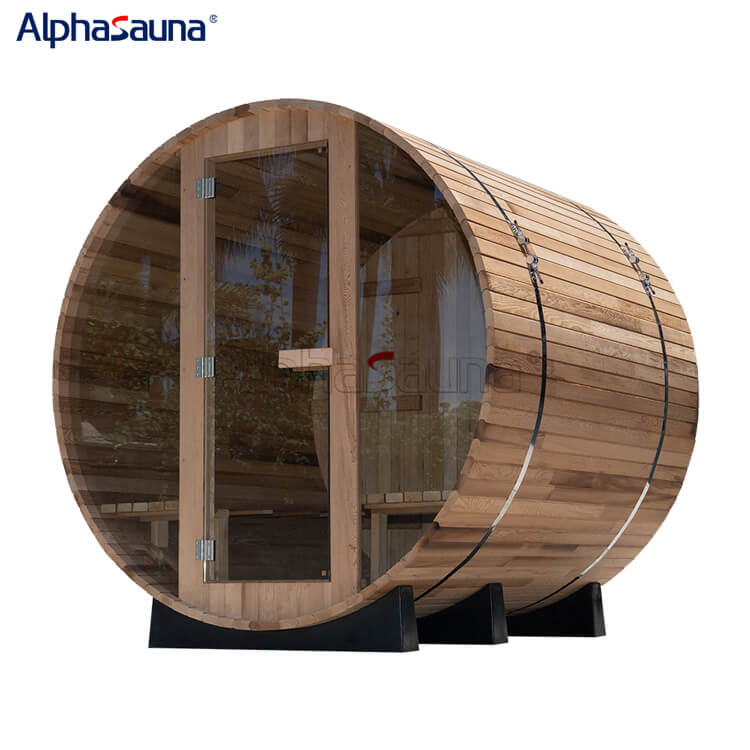
Choosing a good sauna not only enhances your comfort but also boosts your happiness during the sauna experience. This is why Alphasauna prefers the barrel sauna design. Read on to learn everything about this sauna design and the differences between barrel saunas and square saunas!
Why choose a barrel sauna?

People have been exploring various methods to extend their lifespan and slow down the aging process. Scientific research suggests that regular sauna use is closely linked to longevity and overall health. Read on to learn more.
Unlocking the link between saunas and longevity
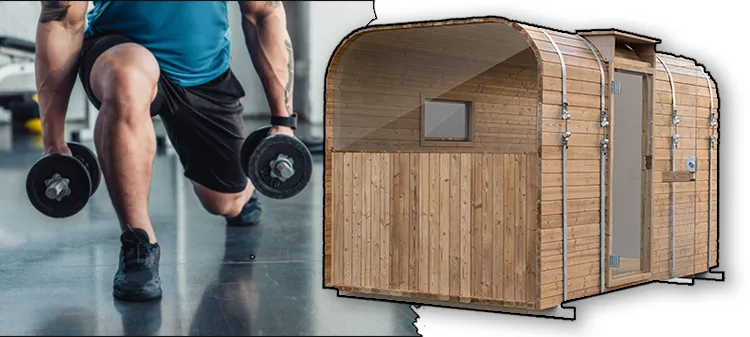
Although saunas are often used for daily health and relaxation, many athletes find that using a sauna can help them rejuvenate. You might wonder whether it's better to use a sauna before or after exercise. Don't worry—our dedicated team at Alphasauna will explain it to you in detail.
Why do athletes choose saunas for recovery?