


How long to sit in sauna after workout
author: Xin Rui
2024-04-25

Preface
Sauna, a standard amenity in high-end gyms and luxury fitness clubs, offers safe, comfortable, and comprehensive fitness services. This unique feature attracts numerous users to experience it. Of course, while enjoying it, it's essential to grasp necessary knowledge. Keep reading as Alphasauna explains how long you should spend in the sauna after a workout, how to enhance your experience,and more.
Sauna after working out benefits
Advantage
1.Muscle Recovery
After a workout session, when we experience soreness, fatigue, and tension in our muscles, it indicates the body's response to the current progress in sports performance. During such times, sauna heat therapy can be utilized to dilate blood vessels in a high-temperature environment, enhancing blood circulation and expediting the elimination of waste products. This facilitates the transportation of oxygen and nutrients to muscles and tissues. Consequently, it helps alleviate muscle soreness and fatigue more effectively, allowing for quicker restoration of muscle vitality.Of course, if you're exercising excessively, perhaps an ice bath would be a better option.
2.Reduce Stress and Relieve Anxiety
Muscle soreness and fatigue send signals to the brain, resulting in tension throughout the body. Consequently, sauna heat therapy has emerged as a viable solution. As the sauna's heat rises, muscles relax, prompting the body to release soothing endorphins, thereby enhancing overall mood. Additionally, after a long day's work, both physically and mentally drained, the tranquil and calming atmosphere of the sauna enables quicker focus on meditation and alleviation of psychological stress.
3.Improve Heart Health
While seated in a sauna, your heart rate elevates to levels comparable to those experienced during daily short, moderate-intensity aerobic exercises. This aids in enhancing heart tolerance and overall cardiac health.
Shortcoming:
While taking a sauna after exercise offers numerous benefits, there are also potential drawbacks and risks.
1.Increased Risk of Dehydration
After exercising, the body's sweat production increases, leading to an elevated need for hydration. Entering the sauna immediately after exercise, when the body is already perspiring, can exacerbate dehydration, leading to electrolyte imbalances, dizziness, weakness, and even fainting.
2.Health Risks for Certain Groups
Despite the health benefits of saunas, using one after a workout is not advisable for specific groups, including pregnant women, individuals with heart disease, those with high blood pressure, individuals with respiratory diseases, patients with diabetes, and others. The high temperature and humidity in the sauna room may exceed the tolerance levels of these individuals. Of course, even when not exercising, such individuals should still seek medical examination and advice before entering a sauna.
3.Excessive Fatigue
If your body is already excessively fatigued after exercise, it is not advisable to remain in the sauna. Doing so may not result in relaxation and recovery, but rather an exacerbation of fatigue.
How long after a workout can you use the sauna?
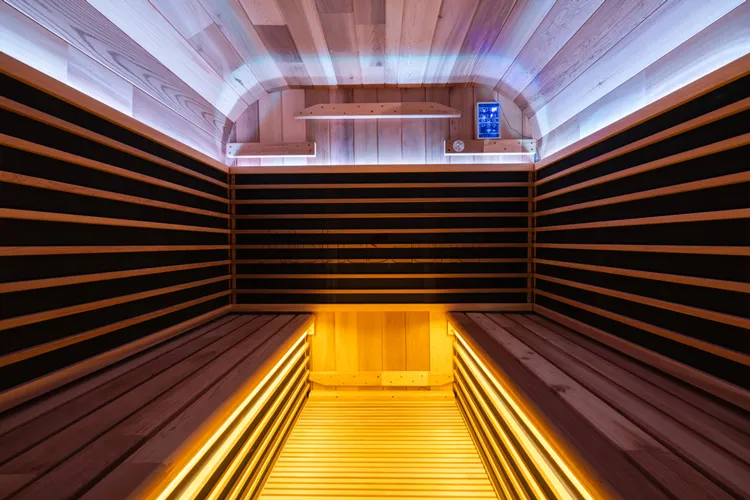
When we exercise, our bodies are often fatigued, dehydrated, and overheated. It is not advisable to enter the sauna room for heat therapy immediately after exercising. Doing so would further burden the body and increase the risk of adverse reactions. Instead, it is recommended to cease exercising, rest, and replenish fluids adequately. Allow the body to gradually cool down from the height fever state and return to normal. Only after the body has regained some strength should you consider entering the sauna room for heat therapy.
The decision to enter the sauna after exercise should be based on individual physical condition and adaptability. To avoid discomfort, it is generally recommended to limit sauna sessions to no more than 15 to 20 minutes following exercise, thereby allowing the body to reap the benefits of sauna therapy and enhance overall health.
•Mild Exercise: If engaging in light exercise, you can consider a sauna session lasting 15-20 minutes after the workout.
•Moderate or high-intensity exercise: When your fitness regimen is moderately intense, it may be more suitable to spend approximately 10 minutes in the sauna.
•Extremely Strenuous Exercise: If the workout was excessively strenuous and has left the body exhausted, it is not advisable to use the sauna at this time.
Can I Working out in a sauna

As a space designed for relaxation and stress relief, the sauna primarily emphasizes enjoyment and meditation. Furthermore, the sauna's typically high temperature, humidity, and poor ventilation make it unsuitable for sports and physical training. Moreover, as the sauna's temperature rises, heart rate gradually increases. Exercising at this time would increase the burden on the heart and could easily lead to excessive dehydration.
Shold i sauna before or after workout
Pre-workout sauna:
When you are not exercising daily, your body remains in a calm state, and all aspects of your body are not yet activated. Entering the sauna before a workout may not be advisable. Saunas can elevate your body's temperature, potentially causing overheating before exercising and increasing the burden on your body. Moreover, saunas relax muscles, which raises the risk of muscle injury if done before exercise.
Post-workout sauna:
After exercising, our bodies are activated, and our muscles are exercised, leading to feelings of tension, fatigue, and exhaustion. During this time, sauna heat therapy can stimulate deep breathing, promoting overall relaxation and recovery.

Conclusion
Both fitness exercises and sauna bathing are aimed at promoting physical health. When performed together, they can maximize health benefits, but it's essential to consider one's own physical condition and exercise intensity. Casual approaches may lead to discomfort and risks to the body.
Moreover, if you're a fitness enthusiast or professional athlete, you might find cold therapy with ice baths more suitable. It accelerates the body's recovery and reduces inflammation. Sauna rooms, on the other hand, are better suited for physical and mental relaxation or social activities in daily life.
can infrared saunas cause cancer
Why do saunas use wooden building materials?
Related Article

In this fast-paced world, getting a good night's sleep has become a challenging goal to achieve. People are often troubled by various worries, which not only affect their daily lives but also cause harm to their bodies. I hope this article can help you improve your sleep quality. Please continue reading to learn about the sleep cycle and how to use a sauna to enhance your sleep, so you can greet the new year feeling fully refreshed.
How can using a sauna improve sleep quality?

Choosing a good sauna not only enhances your comfort but also boosts your happiness during the sauna experience. This is why Alphasauna prefers the barrel sauna design. Read on to learn everything about this sauna design and the differences between barrel saunas and square saunas!
Why choose a barrel sauna?

People have been exploring various methods to extend their lifespan and slow down the aging process. Scientific research suggests that regular sauna use is closely linked to longevity and overall health. Read on to learn more.
Unlocking the link between saunas and longevity
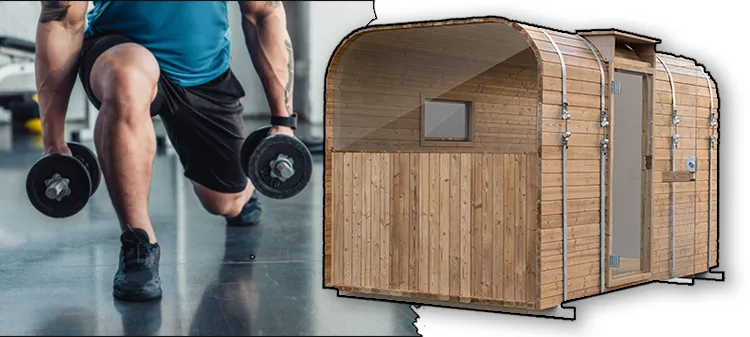
Although saunas are often used for daily health and relaxation, many athletes find that using a sauna can help them rejuvenate. You might wonder whether it's better to use a sauna before or after exercise. Don't worry—our dedicated team at Alphasauna will explain it to you in detail.
Why do athletes choose saunas for recovery?