


Sauna calorie burning
author: Jerry
2023-11-22

Sauna calorie burning
Nowadays, health and beauty are things that everyone wants to achieve. An ancient therapy is quietly becoming popular and attracting widespread attention, that is, sauna. Sauna is not only a way to relax the body and mind, but also a new health favorite that people can't stop. However, you may be surprised to find that this seemingly Finnish therapy actually has a miraculous effect in burning fat.
With the fitness trend on the rise, saunas are redefining the path to weight loss in incredible ways. In the sauna room wrapped in high temperature, the human body's metabolism is stimulated to the extreme, and sweat pours down like a torrential rain. This not only contains a large amount of water loss, but also carries toxins and excess fat deep in the body, contributing to healthy weight loss.
The wonderful thing about sauna is that it is not only a way to relax the body, but also an all-round attack on fat. In a high-temperature environment, the internal temperature of the human body rises rapidly, forcing the body to accelerate metabolism, which not only eliminates fat in a short time, but also promotes blood circulation more effectively, allowing the body to better absorb nutrients, accelerate waste discharge, and provide a beautiful body shape. Lay a solid foundation.
In this era where appearance is equally important as inner appearance, sauna is leading a health revolution with its unique two-pronged charm. Slow down and integrate into the embrace of the sauna, allowing your body and mind to be purified in the high temperature, and fat will also disappear under this heat wave. Sauna, the magic of burning fat, integrates health and beauty, adding a warm and moving color to our lives.

How many calories does a sauna burn?
Research shows that sauna does not directly cause calorie burning, but indirectly affects energy metabolism through a series of physiological reactions. In a sauna, the human body is stimulated by high temperatures, causing an increase in heart rate and blood flow to maintain body temperature balance. These physiological changes may have some impact on energy metabolism, but directly measuring calories burned in a sauna is no easy task.
First, let’s understand the basic principles of sauna. Sauna rooms are usually maintained at a high temperature environment of 80°C to 100°C, causing the surface temperature of the human body to rise rapidly. To dissipate heat, the body initiates a series of physiological mechanisms, including sweating and dilation of blood vessels. These reactions help maintain core body temperature, but they also cause some physiological changes.
The water lost in the sauna is lost through sweating, part of which is body water and part of which is evaporation from the skin surface. The amount of water lost can lead to short-term weight loss, but it does not equate to fat burning or calorie consumption.
Research is inconsistent when it comes to calorie burning in a sauna. There are some studies that suggest that in the high temperature environment of a sauna, heart rate and metabolic rate may increase, indirectly leading to an increase in energy expenditure. But this increased energy expenditure is primarily due to the metabolic activity required to maintain core body temperature, rather than directly due to fat burning.
A study published in the Journal of Applied Physiology showed that participants did lose weight after a 40-minute sauna session, but this was primarily due to water loss rather than fat. The study also noted that little water lost in a sauna was regained, which could lead to short-term weight loss.
Another study, published in The American Journal of Medicine, analyzed the effects of saunas on cardiovascular health and found that spending more time in saunas was associated with lower cardiovascular risks. However, this does not directly indicate that saunas cause calorie burning, but is more likely due to other positive effects of saunas on cardiovascular health, such as lowering blood pressure and improving blood vessel function.
Overall, current research has yet to pinpoint how many calories are burned directly as a result of sauna use. Sauna use can indeed cause short-term weight loss, but this is primarily due to lost water rather than actual fat burning. Furthermore, the positive effects of saunas on cardiovascular health may be more related to other physiological responses and adaptive changes rather than direct increases in energy metabolism.
It's important to note that saunas are not suitable for everyone, especially those with heart disease, high blood pressure, or other health conditions. When considering saunas as a form of fitness, individual health conditions should be fully considered, and it is best to proceed with the advice of a professional physician. Additionally, maintain adequate fluid intake while in the sauna to prevent the risk of dehydration.
How many calories does a infrared sauna burn?
Infrared saunas have gained popularity in recent years, with claims suggesting that they can aid in weight loss by burning calories. However, it's essential to approach this topic with a scientific understanding and recognize that the calorie-burning effects of infrared saunas are not as straightforward as some may suggest.
To begin with, let's explore the basic principles of calorie expenditure and how the body burns calories. The primary components of daily energy expenditure include the basal metabolic rate (BMR), thermic effect of food (TEF), and physical activity.
Basal Metabolic Rate (BMR):
BMR represents the calories your body requires at rest to maintain essential physiological functions, such as breathing, circulation, and cell production. It is influenced by factors like age, gender, body composition, and genetics. While infrared saunas can induce a slight increase in heart rate and metabolic activity, the impact on BMR is minimal and short-lived.
Thermic Effect of Food (TEF):
TEF accounts for the energy expenditure associated with digesting and absorbing food. While some argue that the increased heat from an infrared sauna may enhance metabolic activity, it's crucial to differentiate between the energy expended in processing food and the calories burned in a sauna. Sauna-induced heat is unlikely to significantly affect TEF.
Physical Activity:
Traditional forms of exercise, such as cardiovascular activities and resistance training, have a more substantial impact on calorie burning. These exercises engage multiple muscle groups, elevate heart rate, and lead to more significant energy expenditure compared to the relatively passive nature of sitting in an infrared sauna.
Now, let's delve into the specific mechanisms by which infrared saunas may influence calorie expenditure:
Increased Heart Rate:
Exposure to infrared heat can lead to an increase in heart rate, similar to the cardiovascular response observed during moderate-intensity exercise. This increase is a natural physiological response to the body's attempt to cool itself. While the heart rate elevation may lead to a temporary rise in calorie burning, it is unlikely to be sustained at levels comparable to purposeful physical activity.
Sweating and Water Weight Loss:
Sweating is a common outcome of sauna use, and individuals may perceive a reduction in weight due to fluid loss. However, this weight loss is primarily water weight, and it is crucial to rehydrate after sauna sessions. Any decrease in scale weight from sweating is not indicative of fat loss.
Muscle Relaxation and Recovery:
Infrared saunas are often praised for their potential role in muscle relaxation and recovery. While these benefits can contribute to an individual's overall well-being and ability to engage in regular exercise, they do not directly translate into significant calorie burning.
Caloric Expenditure Measurement:
Accurately measuring the caloric expenditure of activities requires sophisticated tools such as metabolic chambers. Studies attempting to quantify the caloric impact of saunas have generally shown modest results. However, the variability in individual responses and the challenge of isolating sauna-induced calorie burning from other factors make it difficult to draw definitive conclusions.
In conclusion, while sitting in an infrared sauna may lead to a temporary increase in heart rate and provide some relaxation benefits, the overall impact on calorie expenditure is limited. Weight loss and calorie burning are best achieved through a combination of a healthy, balanced diet and regular physical activity. Infrared saunas can be a complementary aspect of a wellness routine but should not be relied upon as a primary method for weight management. As with any health or fitness strategy, it's advisable to consult with healthcare professionals or fitness experts for personalized advice based on individual health conditions and goals.
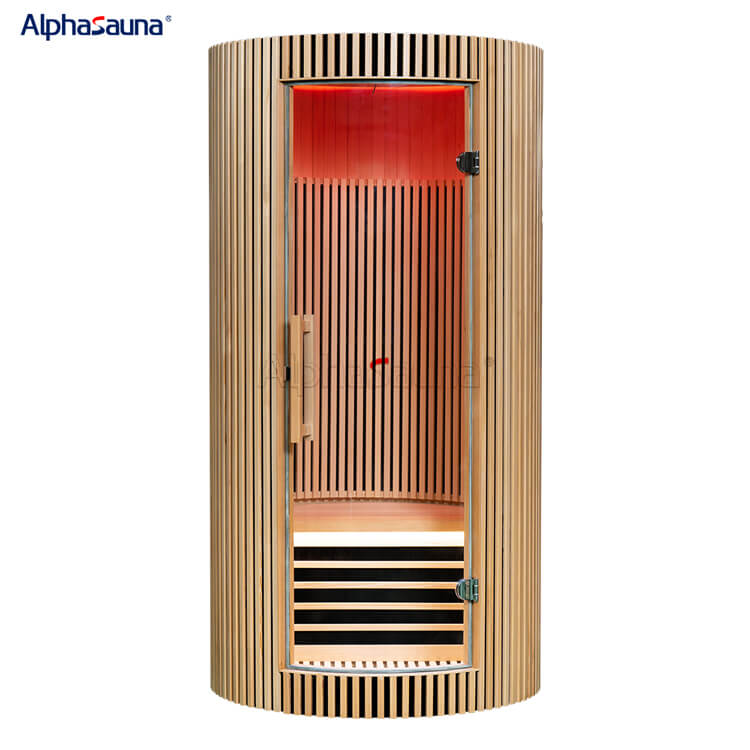

The Benefit of Sauna
Sauna is not just a fitness method for body beauty, but also a unique therapy with rich health benefits. In addition to its eye-catching fat-burning effect, saunas also play a positive and far-reaching role in promoting cardiovascular health, improving immunity, and relieving stress.
First of all, the benefits of saunas on the cardiovascular system cannot be ignored. In a high-temperature environment, the human body's blood vessels expand and blood circulation accelerates. This physiological response causes the heart to work less to maintain adequate blood flow, effectively reducing the burden on the heart. Long-term sauna use can lower blood pressure, improve cardiovascular health, and is of positive significance in preventing cardiovascular disease.
Secondly, sauna helps improve immunity. In a high-temperature environment, the number of white blood cells produced in the body increases, and the ability to fight viruses and bacteria is strengthened. This activation of the immune system not only prevents common illnesses such as colds, but also helps fight the development of chronic diseases. Through the warm stimulation of the sauna, the immune system is exercised to a certain extent, improving the body's resistance to external pathogens.
Muscle relaxation is also one of the benefits of sauna. High temperatures can cause the body to release endogenous substances, such as endorphins and dopamine, which help reduce pain and relax tense muscles. After spending some time in the sauna, the body feels relaxed and pleasant, and muscle soreness is relieved, which has a significant effect on relieving fatigue after exercise and improving exercise ability.
Additionally, saunas are an excellent mental health therapy. In the high-temperature environment of a sauna, the human body releases a substance called endogenous neurotrophic factor, such as brain-derived neurotrophic factor (BDNF). BDNF is essential for brain health, helping to promote the growth and connections of nerve cells, improve cognitive function, and combat depression and anxiety. Therefore, sauna is not only a way to soothe the body, but also an effective way to promote peace of mind and improve emotional state.
Finally, saunas also have a significant effect on detoxification. In a high-temperature environment, the human body eliminates a large amount of waste and toxins through sweat, including heavy metals, urea, uric acid, etc. This detoxification helps purify the body and improves blood quality, thereby maintaining the body's internal environment balance.
Overall, in addition to being great at burning fat, the multiple benefits of saunas on the cardiovascular system, immune system, muscle relaxation, mental health, and detoxification make it an all-around therapy for promoting good health. However, it should be noted that for certain groups of people, such as pregnant women, patients with cardiovascular disease, etc., they should consult a doctor carefully before using a sauna to ensure health and obtain the best results.
At Last , I want to said: There are a series of amazing physiological effects behind fat burning in saunas, but we should also be wise to realize that saunas are not a panacea for weight loss. Sweat discharge induced by high temperature environment can certainly help burn calories and eliminate some excess water in the short term. However, to achieve healthy weight loss, more comprehensive efforts and persistence are still needed.
Sauna is only part of a healthy lifestyle, not a substitute for other important factors. A sound diet and balanced nutritional intake are the cornerstones of any weight loss plan. Through scientific meal planning, ensuring that the body obtains sufficient energy while avoiding excessive caloric intake will help achieve weight loss goals more steadily.
Exercise is also an indispensable part of building a healthy body. Diverse exercise methods such as aerobic exercise and strength training can accelerate metabolism, promote fat burning, and enhance the body's metabolic vitality. Sauna can be a way to relax after exercise, but it is not a substitute for actual physical activity.
More importantly, the weight loss process requires persistence. The fat-burning effect of sauna may be significant in the short term, but only through long-term persistence and self-discipline can the ideal physical condition be achieved. Only by consistently maintaining a scientific lifestyle, gradually changing bad habits, and establishing a healthy lifestyle can you achieve steady and lasting weight loss results.
Generally speaking, sauna, as an auxiliary means, can add a lot to the weight loss plan when used properly. However, relying solely on sauna and ignoring aspects such as diet, exercise and persistence will be difficult to achieve the desired results. Through the comprehensive use of various health methods, we can achieve comprehensive health improvement while sculpting the body. Sauna, as part of a healthy lifestyle, needs to complement other elements to build a healthy, balanced and sustainable life system. Only in this way can we truly have a strong and energetic body while pursuing our ideal figure.
Are you considering buying a sauna? Why not come to Alphasauna to see the newly designed saunas and infrared saunas?
How Many Calories does the Sauna Burn?
What to wear in Infrared Sauna?
Related Article

In this fast-paced world, getting a good night's sleep has become a challenging goal to achieve. People are often troubled by various worries, which not only affect their daily lives but also cause harm to their bodies. I hope this article can help you improve your sleep quality. Please continue reading to learn about the sleep cycle and how to use a sauna to enhance your sleep, so you can greet the new year feeling fully refreshed.
How can using a sauna improve sleep quality?
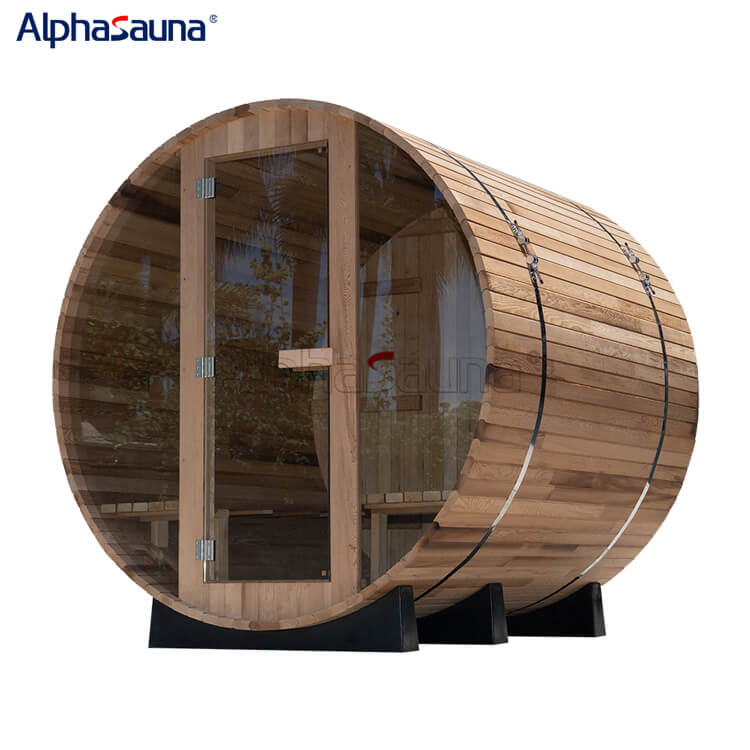
Choosing a good sauna not only enhances your comfort but also boosts your happiness during the sauna experience. This is why Alphasauna prefers the barrel sauna design. Read on to learn everything about this sauna design and the differences between barrel saunas and square saunas!
Why choose a barrel sauna?

People have been exploring various methods to extend their lifespan and slow down the aging process. Scientific research suggests that regular sauna use is closely linked to longevity and overall health. Read on to learn more.
Unlocking the link between saunas and longevity
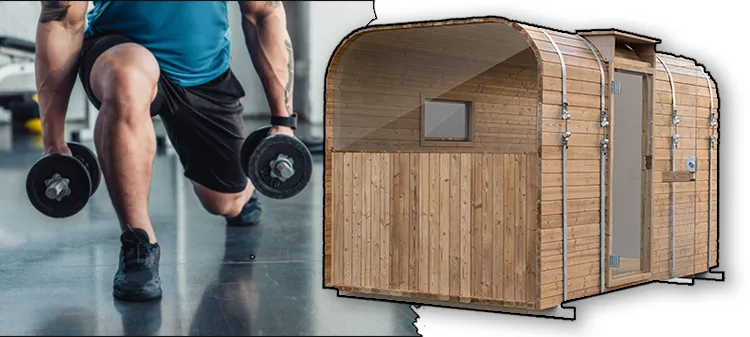
Although saunas are often used for daily health and relaxation, many athletes find that using a sauna can help them rejuvenate. You might wonder whether it's better to use a sauna before or after exercise. Don't worry—our dedicated team at Alphasauna will explain it to you in detail.
Why do athletes choose saunas for recovery?