

Health Benefits of Sauna: How Many Calories Can You Burn?
author: Xin Rui
2024-04-11

Foreword:
Sauna bathing is widely regarded as a method for relaxation and stress relief. Beyond its role in physical and mental recuperation, it also fosters social interaction. Have you ever pondered the calorie-burning potential of a sauna session? Could it contribute to your weight loss goals? In this edition, we delve deeper into how you can leverage the benefits of sauna bathing to craft a more holistic approach to your health.

Body Reaction: What are the health benefits of saunas?
Sauna rooms typically provide an environment characterized by high temperatures and humidity. Exposure to such conditions triggers various physiological responses in the body. As temperatures rise, the heart rate accelerates, blood vessels dilate, and the rate of breathing may increase. These are natural bodily reactions aimed at regulating core body temperature. Such reactions necessitate energy expenditure, resulting in the burning of calories.
Therefore, the question of how many calories can be burned in a sauna is one that garners significant attention. However, the actual calorie consumption varies depending on several factors, including the individual's weight, the sauna's temperature and humidity levels, the duration of exposure, and the individual's metabolic rate.
Are saunas good for weight loss?
Exposure to high temperatures prompts the body to increase its metabolism and sweat production, resulting in short-term weight loss due to water loss. However, this weight reduction does not signify fat loss, as saunas do not directly burn fat or alter body composition. Hence, it's crucial to hydrate adequately before and after sauna sessions to prevent dehydration and related issues.
While the sauna isn't a direct solution for weight loss, it can indirectly impact your weight loss journey when combined with other health benefits.
• In a high-temperature environment, saunas dilate blood vessels, hasten blood circulation, and facilitate the improved transportation of oxygen and nutrients to various body tissues. Concurrently, heightened circulation aids in more efficient fat burning.
• Following daily fitness routines, saunas can alleviate muscle soreness and fatigue in a high-temperature setting. Additionally, they can elevate heart rate and engage the cardiovascular system, fostering beneficial effects on the body's healing and recovery processes.

Sauna use can also pose risks to health:
• Individuals with cardiovascular disease:
The elevated temperature in a sauna increases the heart's workload as it works harder to regulate body temperature, potentially leading to heart-related issues.
• People with asthma or other respiratory conditions:
The hot, dry air in saunas may cause discomfort and exacerbate symptoms of respiratory illnesses.
• Patients with sensitive or inflammatory skin conditions:
Prolonged exposure to high temperatures can result in skin dryness, redness, or irritation, which may worsen existing skin conditions.
• Risk of overheating and dehydration:
Extended stays in saunas can cause overheating and dehydration due to the intense heat, resulting in symptoms such as dizziness, fatigue, and discomfort. Prompt attention is necessary to address these serious health concerns.
While saunas are generally safe for most individuals, it's essential to be mindful of your health status before using them. Additionally, controlling sauna duration and staying hydrated are crucial aspects of safe sauna usage.
Which type of sauna burns more calories?
• Traditional sauna:
Characterized by high temperatures and low humidity, traditional saunas may be more effective in inducing sweat and boosting metabolism, resulting in higher calorie expenditure.
• Steam sauna:
Compared to traditional saunas, steam saunas feature higher humidity levels and increased sweat production. However, the slightly reduced effectiveness in dissipating body heat may lead to lower calorie consumption than traditional saunas.
• Infrared sauna:
Infrared saunas utilize infrared radiation to heat the body directly rather than the surrounding air. Although the temperature is lower, the heat generated still contributes to calorie expenditure.
Conclusion
Saunas have become a source of relaxation and enjoyment in people's lives. However, individuals aiming to manage their body shape and lose weight should incorporate sports or fitness exercises and maintain dietary control. Saunas should be considered as a supplementary tool rather than an independent solution for weight loss.
Why do saunas use wooden building materials?
About Sauna Care And Maintenance: What You Need To Know.
Related Article

In this fast-paced world, getting a good night's sleep has become a challenging goal to achieve. People are often troubled by various worries, which not only affect their daily lives but also cause harm to their bodies. I hope this article can help you improve your sleep quality. Please continue reading to learn about the sleep cycle and how to use a sauna to enhance your sleep, so you can greet the new year feeling fully refreshed.
How can using a sauna improve sleep quality?
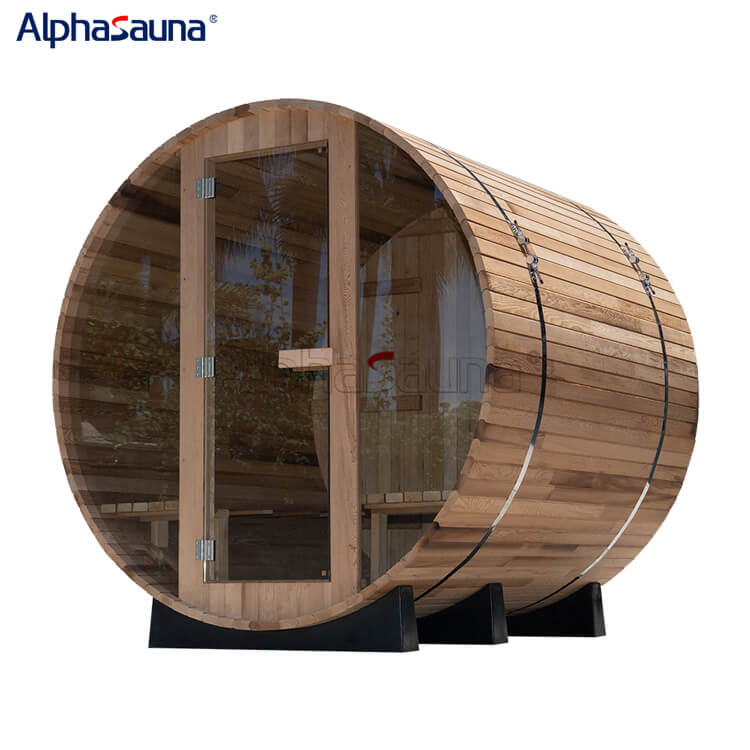
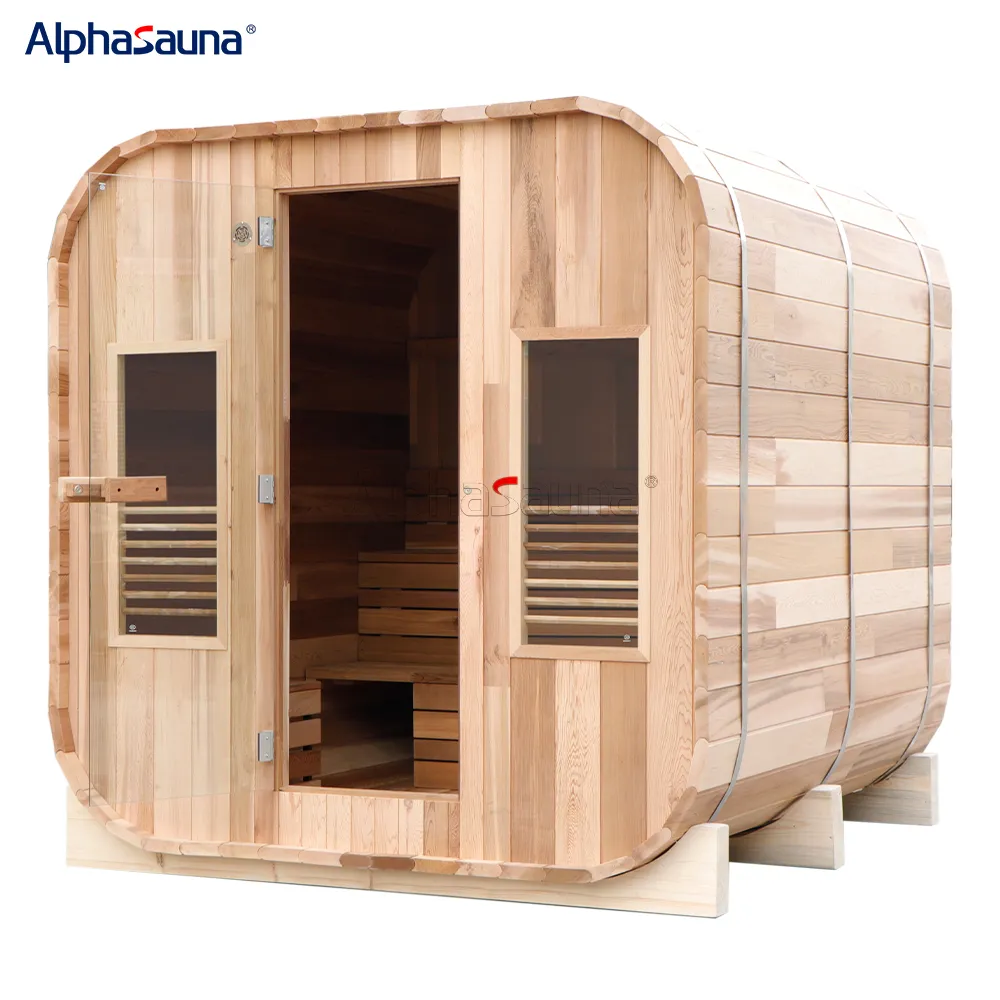
Choosing a good sauna not only enhances your comfort but also boosts your happiness during the sauna experience. This is why Alphasauna prefers the barrel sauna design. Read on to learn everything about this sauna design and the differences between barrel saunas and square saunas!
Why choose a barrel sauna?
People have been exploring various methods to extend their lifespan and slow down the aging process. Scientific research suggests that regular sauna use is closely linked to longevity and overall health. Read on to learn more.
Unlocking the link between saunas and longevity
Although saunas are often used for daily health and relaxation, many athletes find that using a sauna can help them rejuvenate. You might wonder whether it's better to use a sauna before or after exercise. Don't worry—our dedicated team at Alphasauna will explain it to you in detail.
Why do athletes choose saunas for recovery?