


The history of the development of different types of saunas
author: Xin Rui
2024-03-20
Origin of the sauna
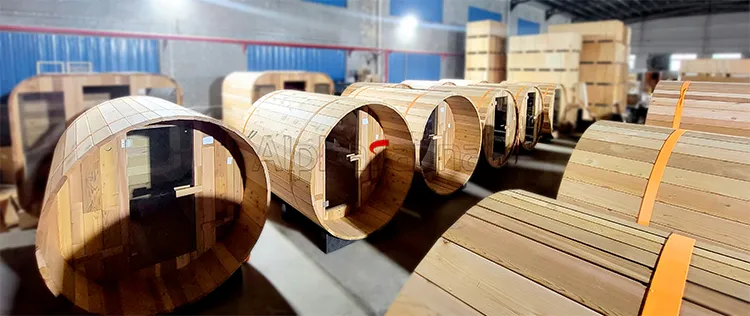
Saunas originated in the Nordic region, particularly in Finland, boasting a history and culture spanning 2000-3000 years. During this time, the sauna held significant importance as both a traditional cultural practice and a daily social activity among Nordic peoples. As time passes, the concept of the sauna gradually spreads to all parts of the world, resulting in the development of various sauna methods.
In essence, a sauna serves as a method for stress relief by exposing the body to high temperatures and low humidity levels, promoting sweat release and relaxation of both body and mind.
The history of sauna development
Smoke sauna
"Sauna" is a Finnish word that originally referred to "a cabin without windows." It was built from original trees and an earthen stove, at a time when saunas did not have chimneys.Its heating method fills the room with heat and smoke generated by burning pine, cypress, willow, etc., causing the wooden house to become smoke-blackened,Therefore, it is called a "smoke sauna"This type of sauna is more primitive and is also seen as a connection to and respect for nature. However, due to its large footprint and lack of ventilation, it is rarely found in cities and is usually located outdoors by lakes and other natural settings.
 (The pictures are sourced from the Internet.)
Traditional sauna | Wood-fired sauna
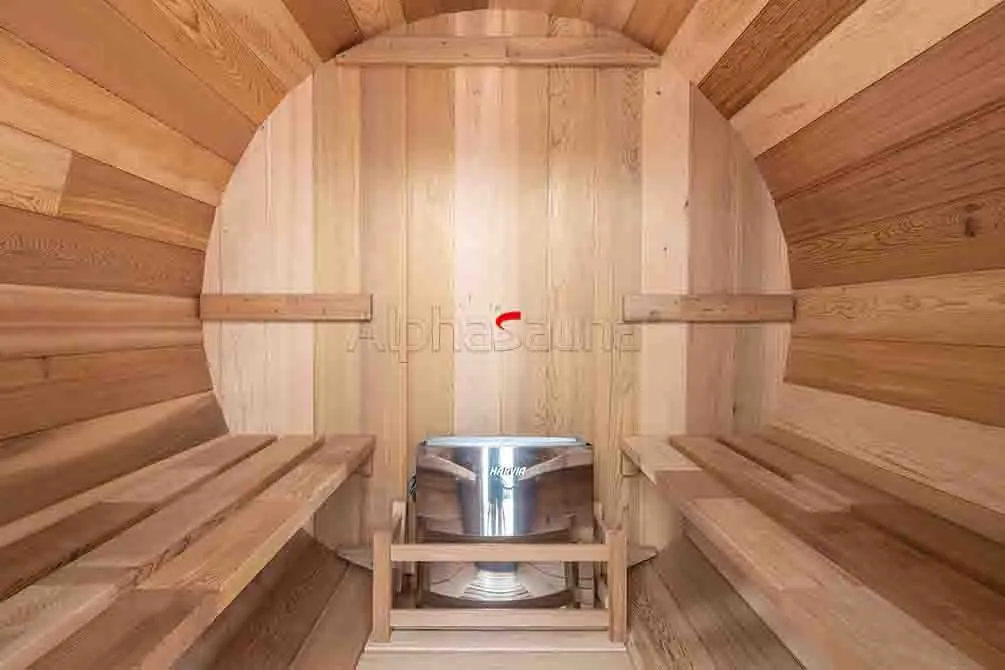
Over time, influenced by the "smoke sauna", traditional saunas emerged. Not only have they been beautified in appearance, with barrel shapes, square shapes, and olive shapes, but the heating method has also changed from the original smoke to heated stones. Therefore, the traditional sauna is also known as "the most basic form of sauna".
In terms of material selection, people followed the wooden method, using cedar, cypress, hemlock, and other materials as the basic structure of the house, with built-in electric stoves or wood-burning stoves. These two methods generate heat by heating stones and pouring water over them, creating steam and heat to create a deeply heated environment. Moreover, the traditional sauna room has a chimney, preventing the room from becoming blackened.
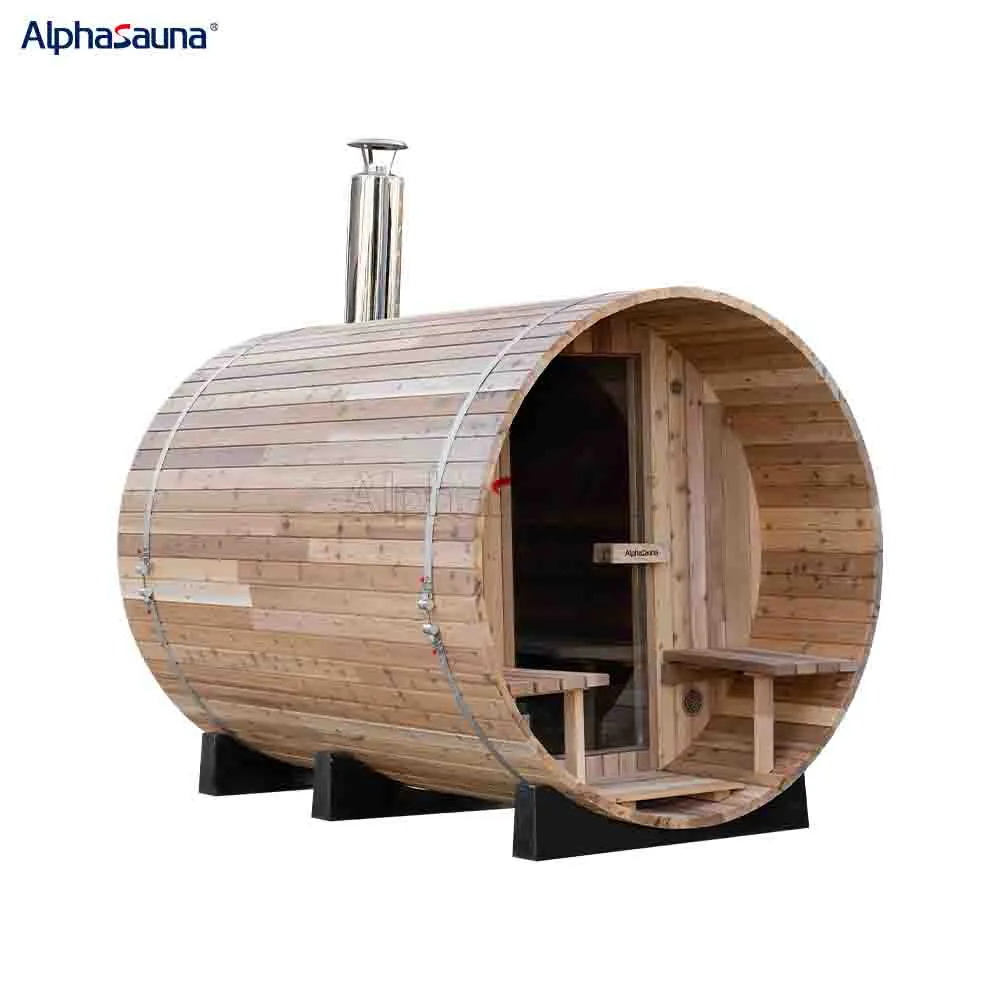
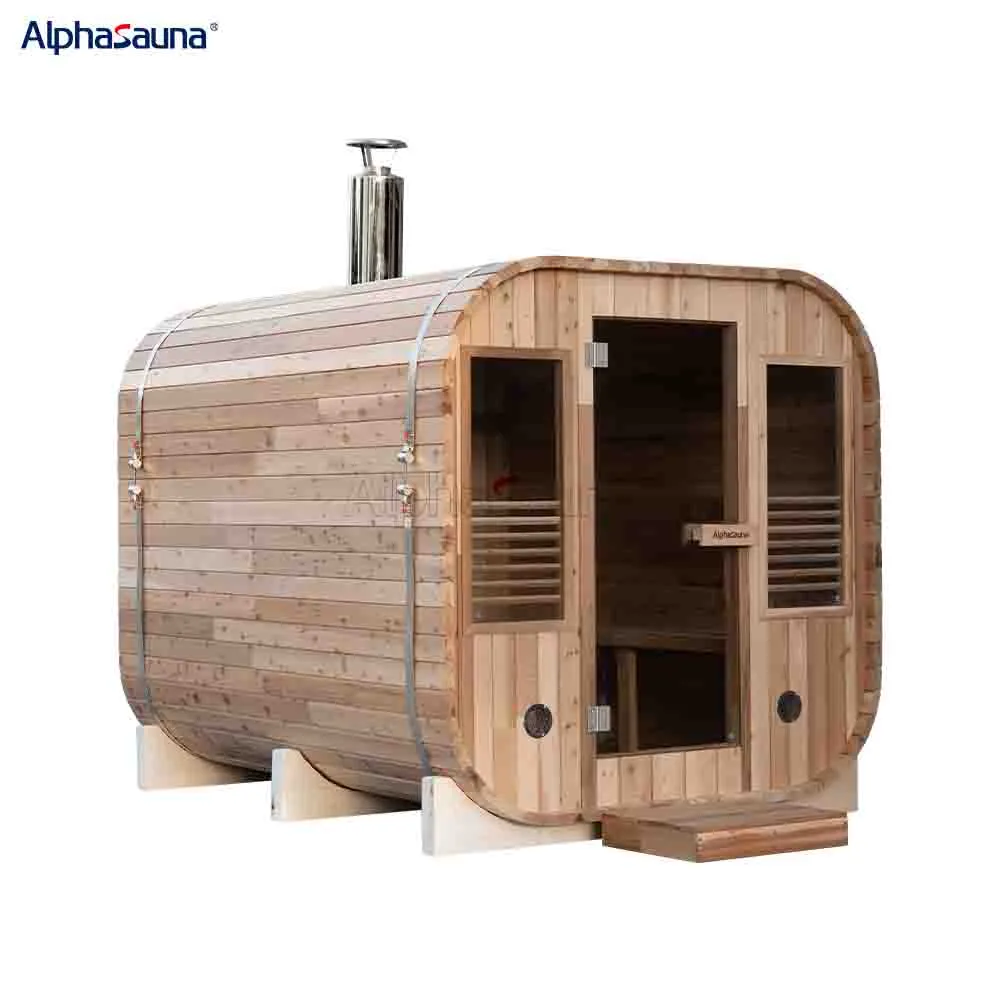
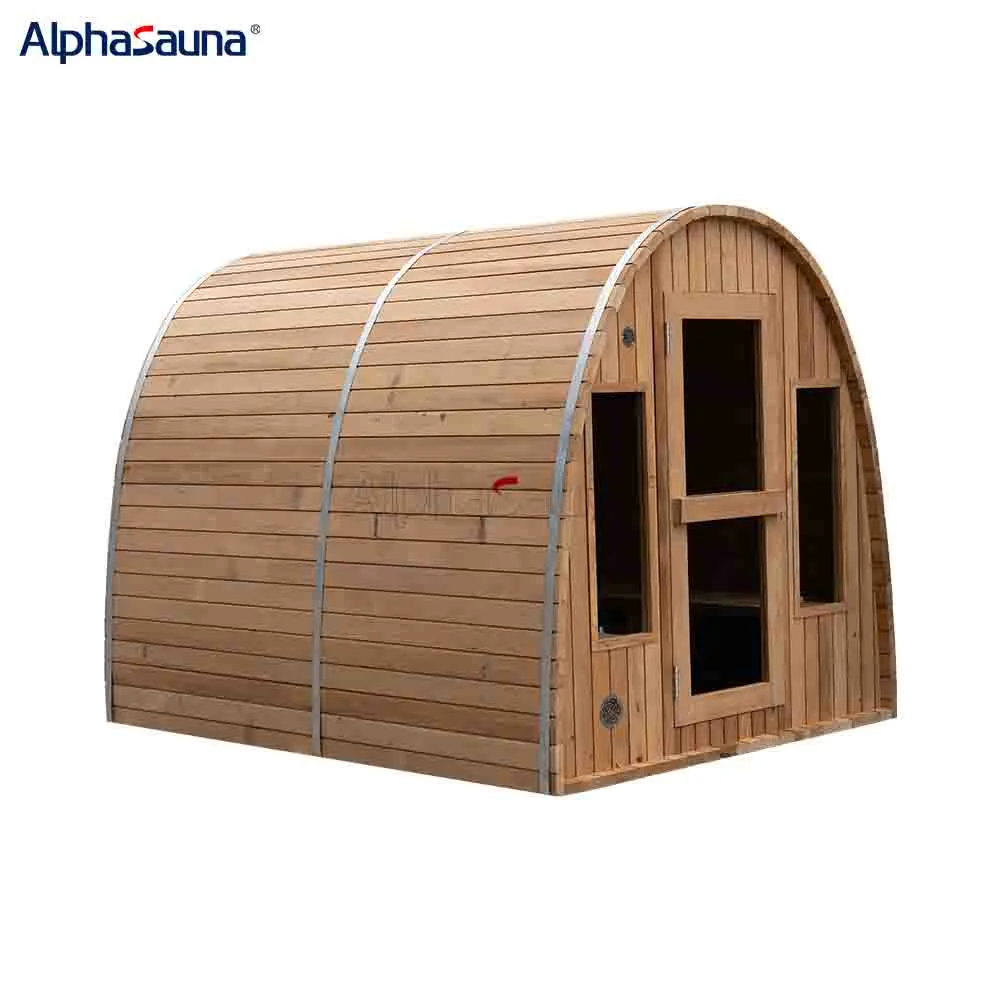
Traditional sauna electric stove (more suitable for indoor home and other environments)
advantage:
1: Easy to install and position.
2: Precise control of the indoor temperature of the sauna room.
No smoke or dust.
shortcoming:
1: Slow heating speed.
2: High energy consumption and costly to use.
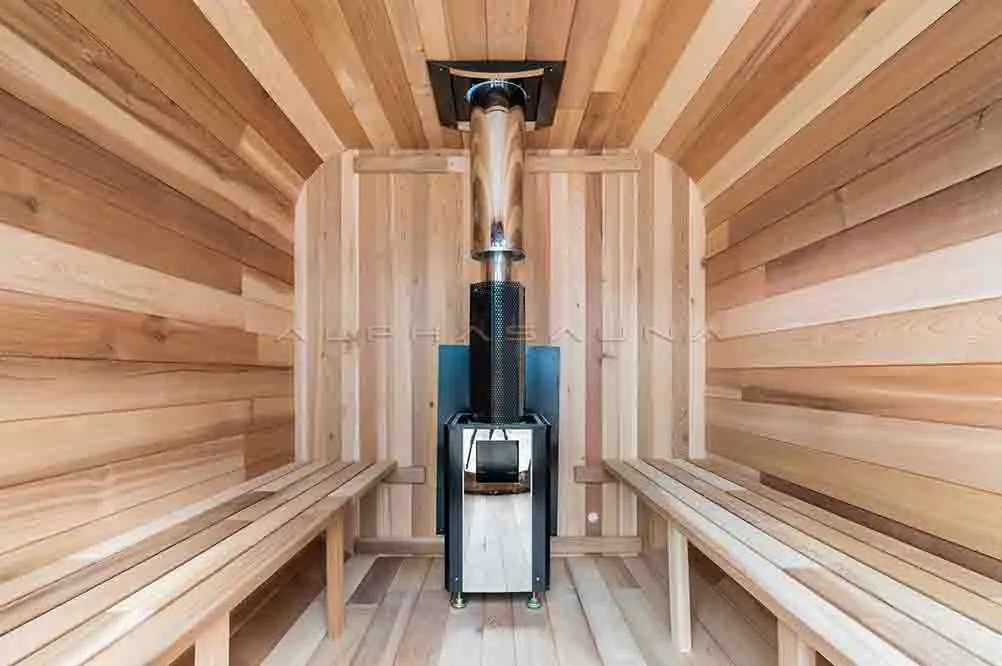
aTraditional sauna wood-burning stove (more suitable for outdoor environments)
advantage:
1: Can heat the sauna temperature more quickly.
2: The heat is long-lasting; once combustion ends, residual temperature can be sustained for a period of time.
shortcoming:
1: Wood fuel needs to be replenished regularly.
2: Temperature control is more challenging compared to an electric furnace, making it harder to accurately regulate the sauna temperature
Heating time | Temperature | Humidity | Odor
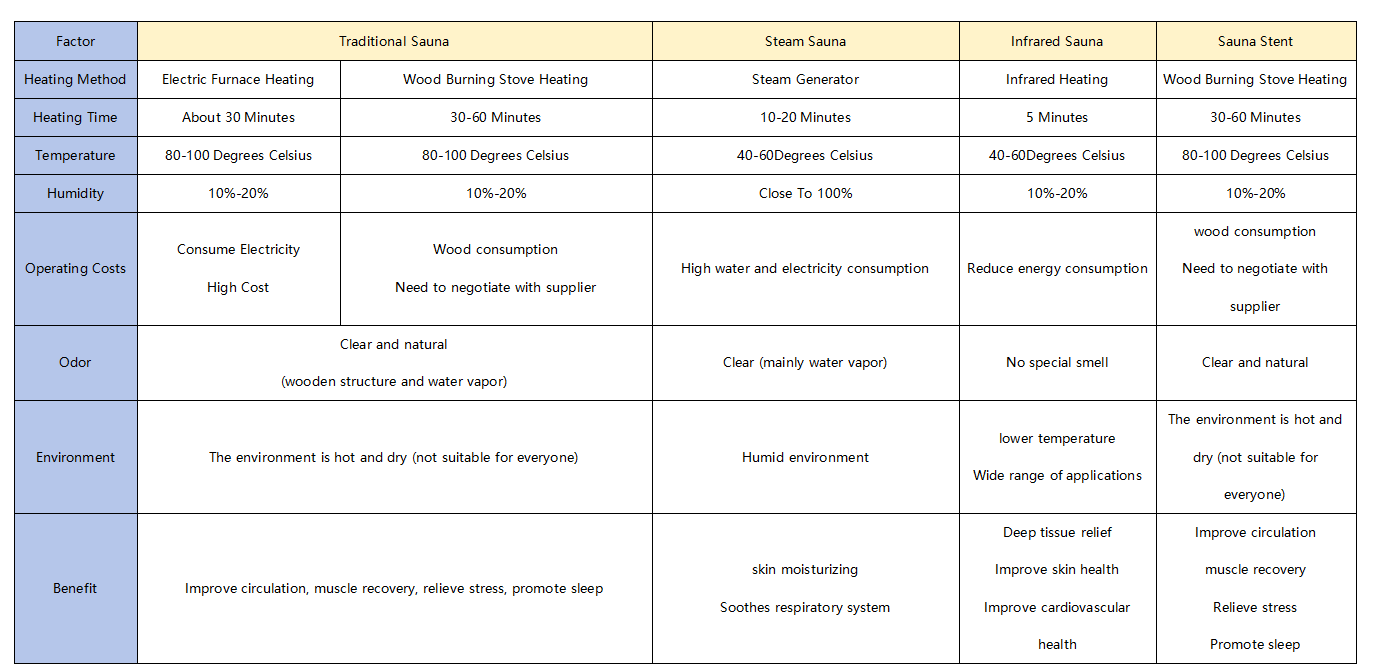
- Heating time: Traditional saunas and smoke saunas are similar, requiring 30-60 minutes to warm up the room.
- Temperature: Traditional saunas and smoke saunas can typically be heated to between 80-100 degrees Celsius.
a: The smoke sauna may experience slight temperature deviations due to the addition of smoke or herbs.
b: Traditional sauna rooms can adjust the temperature according to personal preferences and are easy to control.
- Humidity:
a: Humidity in smoke saunas is generally high, usually ranging between 20% and 40% (dependent on fuel and sauna characteristics).
b: The traditional sauna room environment is relatively dry, with humidity levels usually between 10% and 20%.
- Odor:
Smoke sauna: The rich aroma of smoke and herbs is original and in line with nature.
Traditional sauna: The scent of water vapor and wooden structure is relatively fresh and natural.
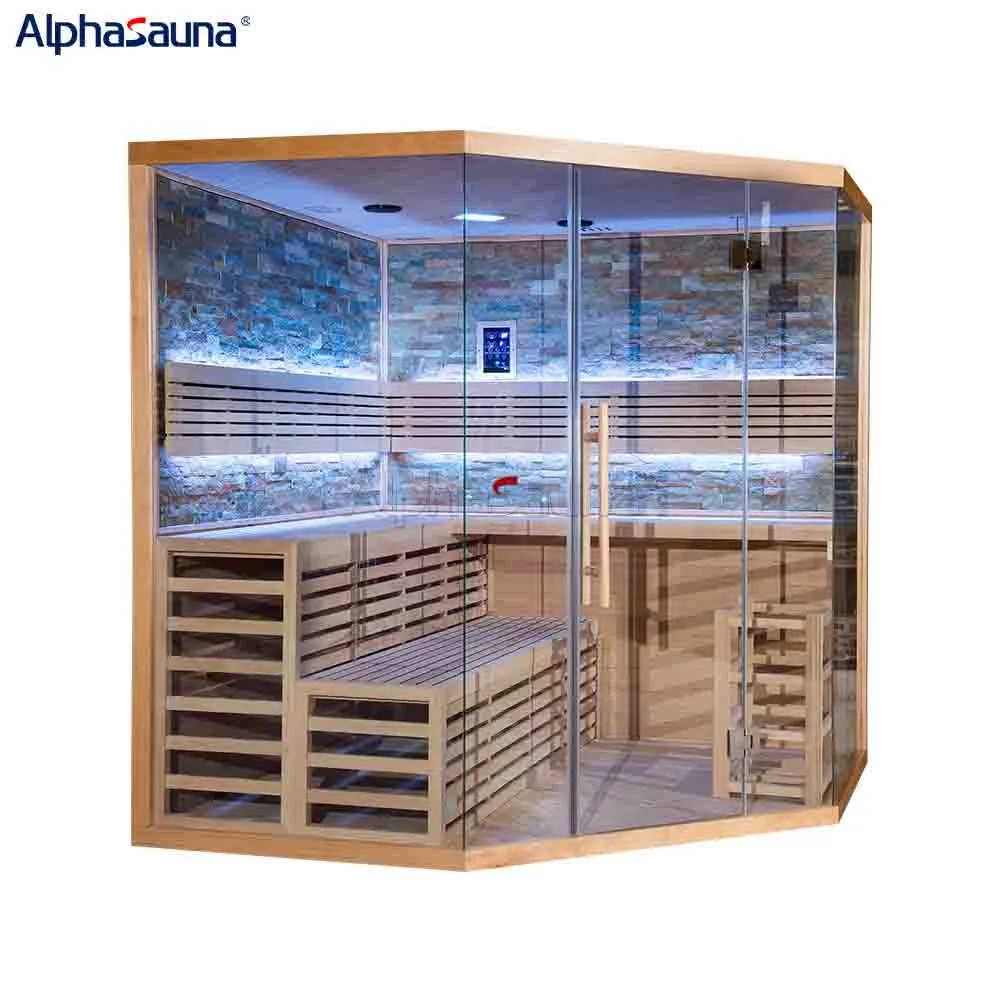

The emergence of traditional saunas also accelerated the subsequent development of saunas. In order to meet the needs of different groups of people, saunas have demonstrated their ability to diversify, including "steam saunas, infrared saunas, combination saunas, sauna tents, etc."
Steam sauna
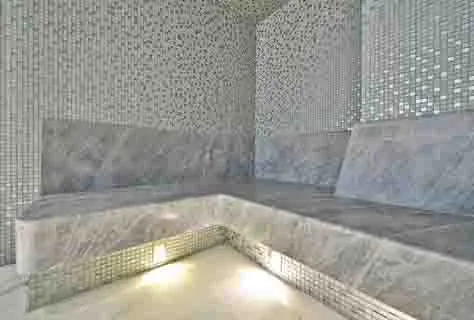
From traditional saunas, where water is poured over heated stones to create steam, to the advent of steam generators, this evolution has not only improved the process and speed of steam generation but has also enriched sauna culture.
A steam sauna utilizes a steam generator to heat water and convert it into steam, which is then released into the room to create a hot and humid environment.
Heating time | Temperature | Humidity | Odor
- Heating time:
Different specifications, types, and conditions of use will result in varying heating times. Generally speaking, the steam generator requires 10-20 minutes of preheating time to reach the desired water temperature.
- Temperature:
Typically between 40-60 degrees Celsius, which is lower than traditional saunas.
- Humidity:
The humidity in a steam sauna approaches 100%.
- Odor:
Clear scent, primarily of water vapor. Some steam generators may incorporate perfumes, herbs, essential oils, etc., to enhance the sauna experience.
Infrared sauna
In the middle of the 20th century, people recognized the beneficial effects of infrared rays on the human body and began applying them in the fields of medicine and health. As the understanding of infrared technology improved over time, people started incorporating it into saunas, giving rise to infrared saunas.
An infrared sauna heats body tissues by emitting infrared radiation onto the human skin. Unlike traditional saunas, where the air is heated, in infrared saunas, the body is directly heated. Due to its convenience and effectiveness, infrared saunas are widely used in both residential and commercial settings.
Heating time | Temperature | Humidity | Odor
- Heating time:
Infrared rays can be generated quickly after activation, typically taking only a few minutes.
- Temperature:
Since infrared rays are directly applied to the human skin, the temperature usually ranges between 40-60 degrees Celsius, with the air temperature being relatively low.
- Humidity:
Infrared saunas do not produce steam, resulting in a dry environment with relatively low humidity, similar to traditional saunas, ranging between 10%-20%.
Odor: No distinct smell; the air is relatively clear.
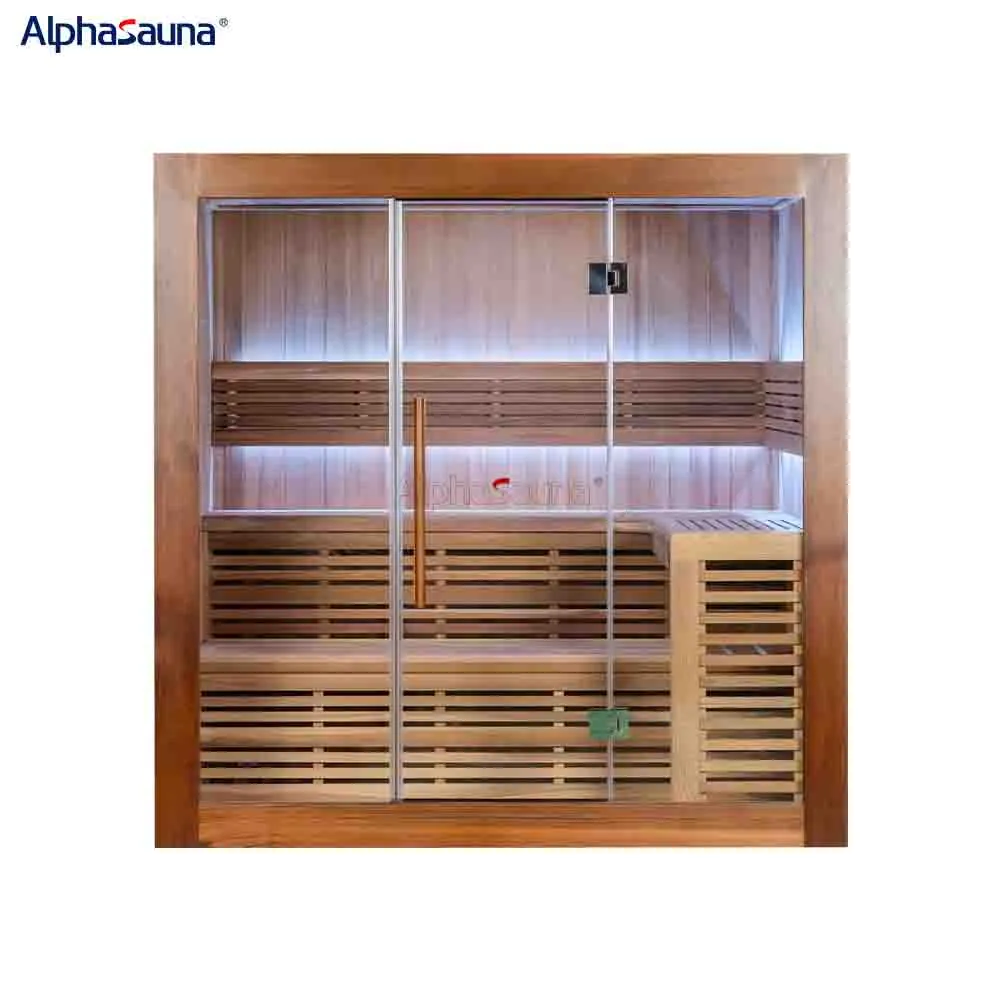
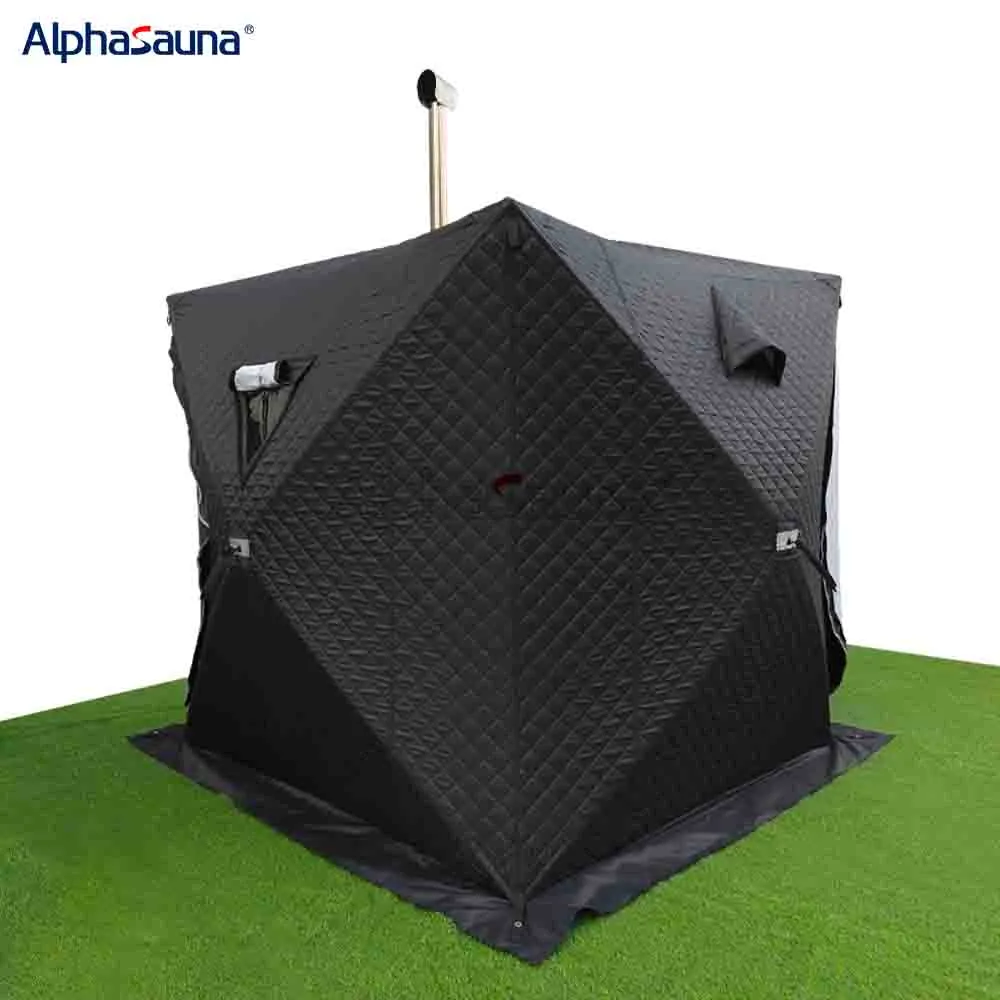
Combination sauna | sauna tent
With the increasing popularity and development of saunas, people's demand for diverse sauna experiences is also growing. Recognizing that a single sauna type may not meet everyone's preferences, the concept of the "combination sauna" emerged. This allows individuals to enjoy traditional saunas while also having the option to switch to different heating methods such as steam saunas or infrared saunas.
Furthermore, as saunas became more widespread, people sought to enhance their accessibility beyond fixed indoor or outdoor locations. The introduction of the "sauna tent" has made saunas more flexible and convenient. Now, people can set up saunas anywhere, providing a unique opportunity for socialization
Conclusion:
Here are the various types of saunas compiled for you. For further information about saunas, you can follow Alphasauna. We will guide you to explore the world of saunas.
Can Mobile Phones Be Brought Into The Sauna
Can Breathing Air In Sauna Cause Lung Issues?
Related Article

In this fast-paced world, getting a good night's sleep has become a challenging goal to achieve. People are often troubled by various worries, which not only affect their daily lives but also cause harm to their bodies. I hope this article can help you improve your sleep quality. Please continue reading to learn about the sleep cycle and how to use a sauna to enhance your sleep, so you can greet the new year feeling fully refreshed.
How can using a sauna improve sleep quality?
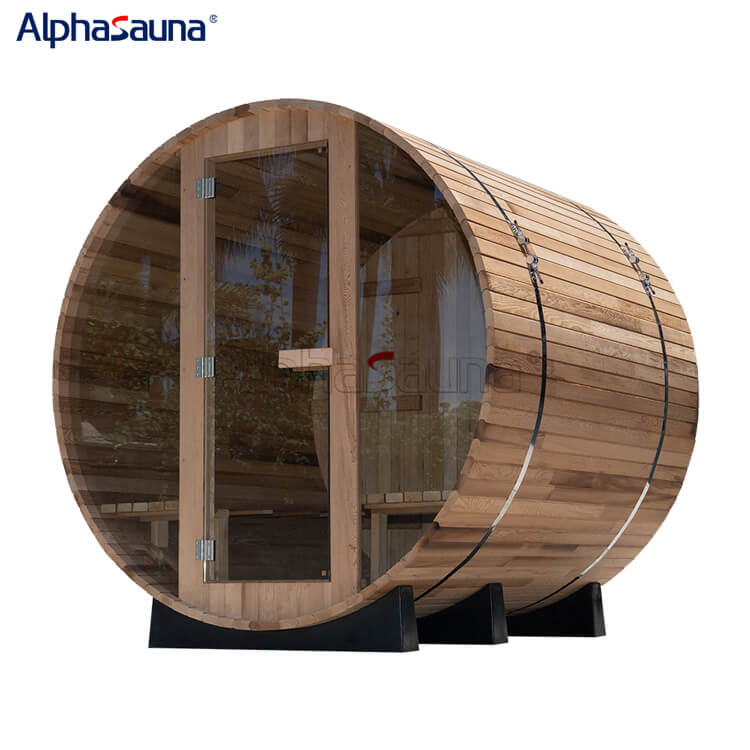
Choosing a good sauna not only enhances your comfort but also boosts your happiness during the sauna experience. This is why Alphasauna prefers the barrel sauna design. Read on to learn everything about this sauna design and the differences between barrel saunas and square saunas!
Why choose a barrel sauna?
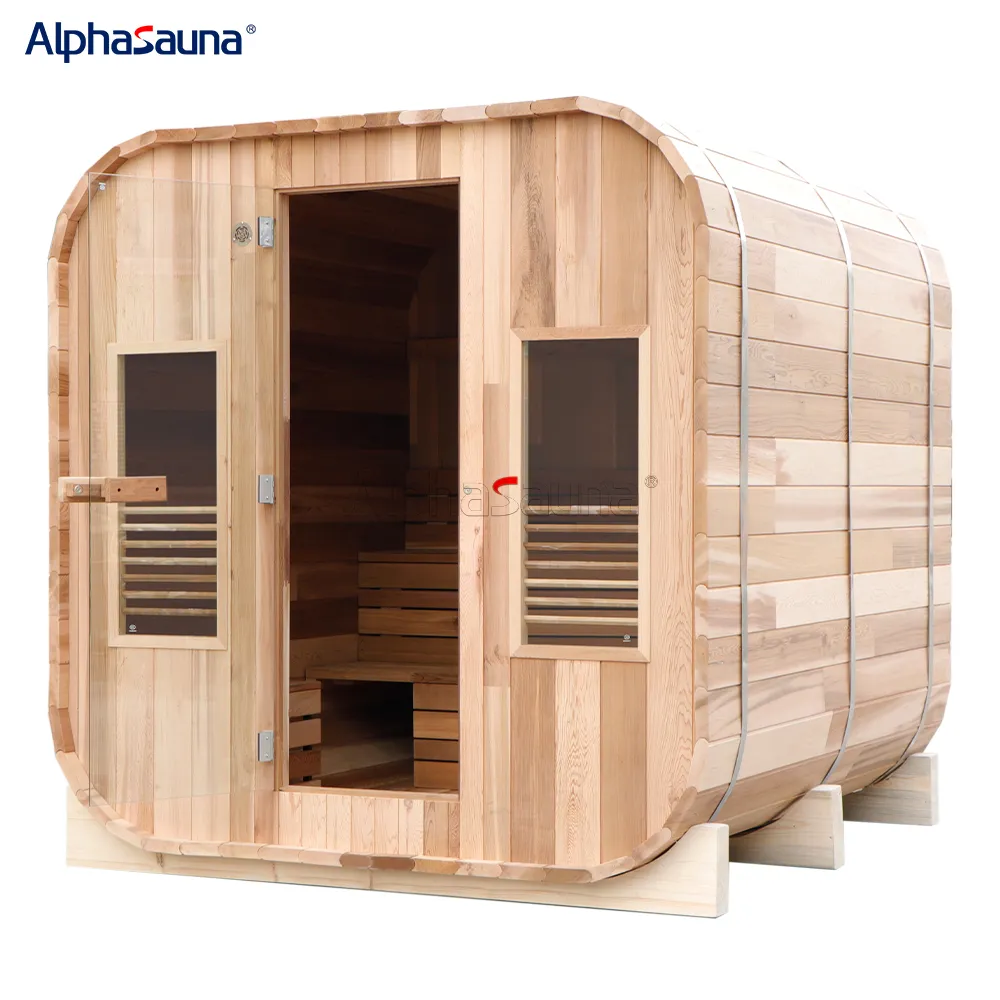
People have been exploring various methods to extend their lifespan and slow down the aging process. Scientific research suggests that regular sauna use is closely linked to longevity and overall health. Read on to learn more.
Unlocking the link between saunas and longevity
Although saunas are often used for daily health and relaxation, many athletes find that using a sauna can help them rejuvenate. You might wonder whether it's better to use a sauna before or after exercise. Don't worry—our dedicated team at Alphasauna will explain it to you in detail.
Why do athletes choose saunas for recovery?