Are wood fired hot tubs any good?
author: Jerry
2023-12-26
Are wood fired hot tubs any good?
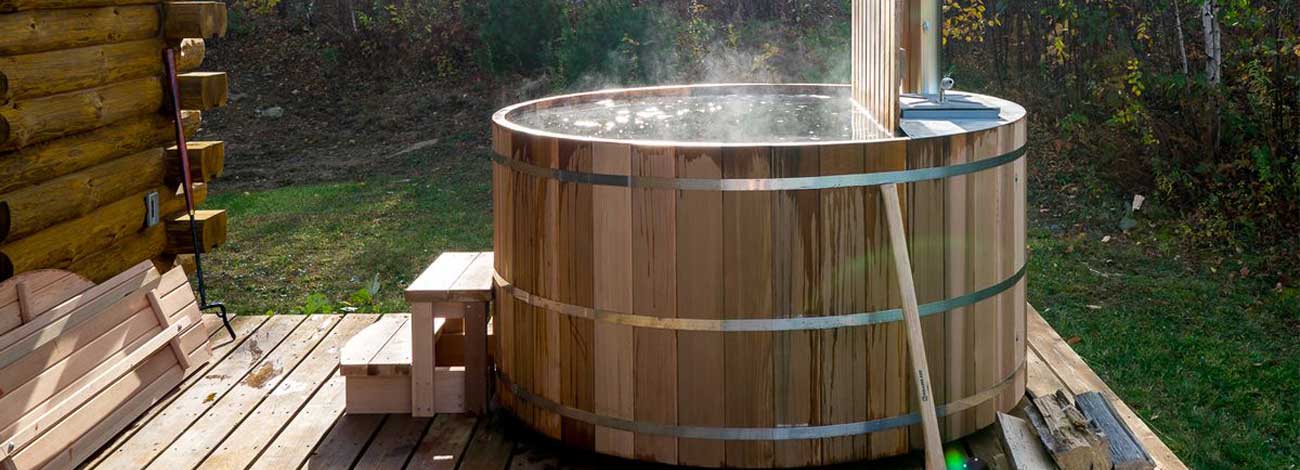
Today we will introduce wooden hot tubs. Wooden hot tubs may seem ancient, but they actually have a lot of benefits. Nowadays, modern hot tubs have become mainstream. Most of them use electric heating and have advanced massage functions and temperature control systems. This makes most people pay for it, but they ignore the classic benefits of wooden hot tubs that cannot be compared with some modern hot tubs. In this article, Alphasauna will take you through the benefits of wooden hot tubs.
Are wood fired hot tubs any good
Simply put, of course it does! Although hot tubs are an ancient thing, wooden hot tubs have been optimized with modern treatments, such as Alphasauna’s stainless steel lined wooden hot tubs.
Stainless steel liner: Compared to modern hot tubs, the stainless steel liner is not afraid of alkaline detergents, making maintenance easier and cost-effective.

Wooden material: A variety of materials are available, mainly cedar. In the heat of a hot tub, cedar can impart its natural aroma. The sound of the crackling stove and the scent of cedar is such a comforting and relaxing scene.
Save energy: A wood-fired hot tub can save you money on electricity, but you'll also have to pay for the wood to burn it, but it's definitely cheaper than the electricity savings.
Heating speed: Tested by Alphasauna, wood-fired hot tubs heat up about 6 times faster than modern hot tubs.
A wood-fired hot tub is a soaking tub used for relaxation that is heated with a wood-burning stove rather than an electric stove. It is usually made of cedar wood, and some are clad with metal or other synthetic materials to make it easier to clean and extend its life. Alphasauna offers this wooden hot tub, which has no electricity, no lights, no jets and still provides you with a quiet, relaxing and aromatic experience.
How do wood-fired hot tubs work
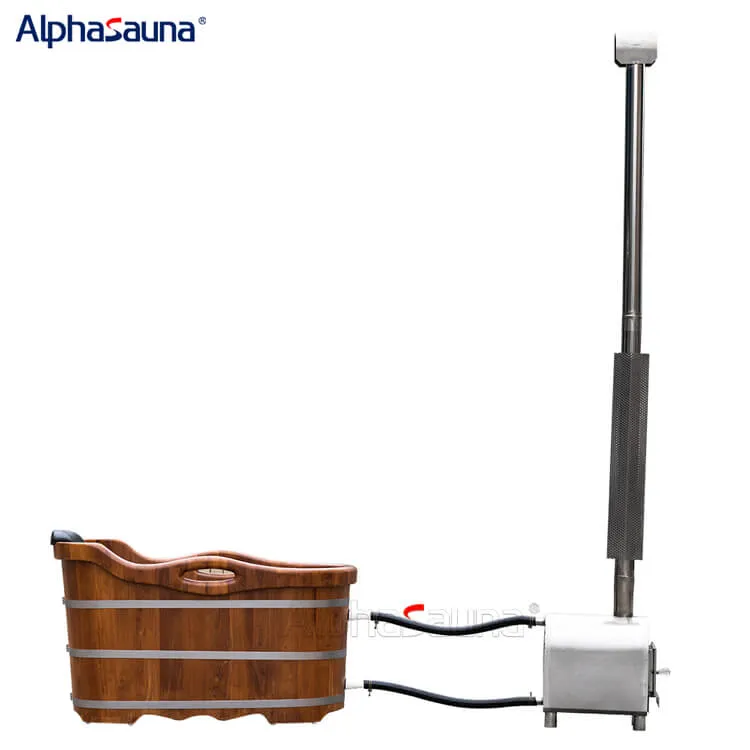
As the name suggests, wood-burning hot tubs are back-to-basics designs featuring a wood-burning stove. Water can be quickly heated to the ideal temperature. There are currently two different types of wood heating, a submersible stove and an external stove.
The submersible furnace is made of aluminum, which is corrosion-resistant. An underwater stove does sound a bit weird, but it works with a floating stove tube, a stainless steel chimney, and a stove door that allow you to build a fire and control the air intake and therefore the temperature of your wood fire. The hot tub and stove are safely separated by a built-in wooden fence.
An external furnace is simply connected by two hoses, one pulling in cooler water to heat the water, and the other pushing the hot water out and into the hot tub, so the water is constantly circulating. An external heater can provide more space inside the hot tub.
Overall, submersible furnaces are generally considered the best option because they can heat water twice as fast as an external furnace (which may still take several hours) by increasing heat transfer efficiency. Just make sure you have plenty of kindling and seasoned firewood ready for soaking.


How fast does a hot tub heat up
Wood-fired hot tubs are capable of heating water to 40 to 45 degrees Celsius in three to four hours. Depends on its capacity and heating method. If you're looking for a quick and easy way to soak without fuss, many electric heater hot tubs come in a wood-fired look. If you enjoy the process of making and keeping a fire while looking forward to the ultimate soak, then a wood-fired hot tub is especially for you.
What is the best wood for a wood-fired hot tub
The best wood for a wood-burning hot tub is cedar. Its high content of natural tannins gives it excellent water-repellent properties, making it resistant to rot, wood decay and warping, even when immersed in water for extended periods of time. Western red cedar and Alaskan yellow cedar remain the most desirable choices, although some brands use relatively cheap spruce or more expensive teak to build their tubs, which work well.
Alaska Yellow Cedar is known for its beautiful color and clear, smooth grain; however, its high price can be prohibitive. In contrast, Western Red Cedar is the top choice for wooden hot tubs. It has the same durability and toughness as Alaskan yellow cedar, but is more affordable and has a unique earthy red hue. And, all cedar wood has an intoxicating aroma. Professional advice is to stain the outside of the barrel rather than the inside to preserve the natural color of the wood and prevent it from turning gray.
In terms of combustion, the best type of wood to use as fuel in a wood-fired hot tub is seasoned hardwood such as oak, birch, maple, or ash. Hardwood burns slower and produces more heat, making it ideal for maintaining hot tub water temperatures. Avoid using soft woods, such as pine or cedar, as they are rich in resin and can accumulate in stoves and stove pipes, affecting water quality. Therefore, when it comes to choosing wood, cedar is one of the top choices for creating the ideal wood-burning hot tub.
Do you have to put chemicals in a wood-fired hot tub
Whether adding chemicals to a wood-fired hot tub is necessary or not really comes down to personal preference. For an authentic wood-fired hot tub experience, we recommend a chemical-free approach that allows you to better appreciate the scent of cedar wood and the texture of natural water. This method requires draining the water after 2-3 uses, wiping down the inside of the tub with a mild water/bleach solution, and refilling the water the next time you use it. Although this creates a lot of wastewater and is not the most sustainable approach, the problem can be solved if the wastewater can be diverted to the garden.
For those who are unable to change the water frequently, the best way to keep their hot tub water clean is to use some chemicals to prevent the growth of bacteria and algae. Chemicals such as chlorine and bromine can be used to disinfect water, and regular testing can ensure the safety of the water. In addition, pH balancers can also be used to maintain the optimal acid-base balance of water.
On the other hand, some people choose to add salt water to their hot tub because this is gentler on sensitive skin and has natural anti-inflammatory and healing properties. If you choose this method, consider purchasing a sanitizing salt water system instead of adding the typical amount of chlorine. This system enhances the brine's own ability to produce chlorine and purify the water, providing users with a more natural spa experience.
How long do wood-fired hot tubs last
Because cedar wood is naturally durable and rot-resistant, a wood-burning hot tub can last 15-20 years if properly cared for. By following proper care and maintenance guidelines, you can ensure that your wood-fired hot tub will provide you with many years of relaxing and enjoyable soaking experiences.
Looking to get a wood-fired hot tub
Please refer to Alphasauna's official website. Alphasauna's wood-fired hot tub brings you a new and different bathing experience!


Should you go in a hot tub with a fever
Do you need a hot tub?
Related Article
How to maintain a hot tub? This article will help answer your questions. Alphasauna is a limited company specializing in the production of wooden/tent/infrared saunas, ice buckets, hot tubs, sauna accessories, and more.
How To Maintain A Hot Tub?

What chemicals are needed for a hot tub? This article will help answer your questions. Alphasauna is a limited company specializing in the production of wooden/tent/infrared saunas, ice buckets, hot tubs, sauna accessories, and more.
What Chemicals Are Needed For A Hot Tub?