


Can You Get Hypothermia from an Ice Bath?
author: Jerry
2023-10-20
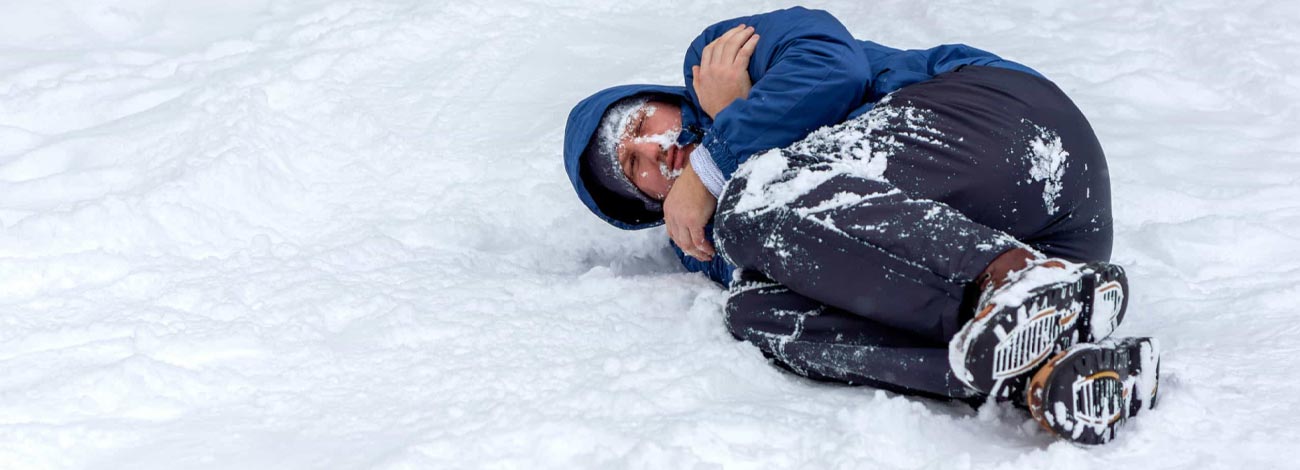
Can you get hypothermia from an ice bath?
Athletes, fitness buffs, and those looking for different health advantages have grown more and more used to the practice of submerging themselves in cold water, sometimes known as ice baths or cold plunges. The possibility of developing hypothermia from spending too much time in extremely cold water is a widespread worry. This article will examine if having a cold bath beforehand can reduce the risk of hypothermia and whether cold plunges are risky.
When carried out professionally and within an acceptable temperature range, cold plunges are often safe for the majority of people. The body is designed to withstand brief contact with cold water, and this practice can have a number of positive effects, such as speeding up recuperation, enhancing circulation, and reducing inflammation. However, it's crucial to realize that going beyond them for an extended period of time might result in health hazards, including hypothermia.

Hypothermia is a dramatic drop in core body temperature that occurs when the body loses heat more quickly than it can produce. Hypothermia can produce shivering, confusion, and slurred speech. In more severe cases, it can also lead to unconsciousness and possibly represent a life-threatening risk.
Mitigating the Risk of Hypothermia
Consider the following safety measures to make use of the advantages of cold plunges while lowering the danger of hypothermia:
- Know Your Limits: Begin with brief sessions and progressively lengthen them as your body adjusts. It's important to pay attention to your body and get out of the cold water if you start to feel too chilly or uneasy.
- Recommended Temperature Range: According to experts, cold plunges are most effective at temperatures between 50°F (10°C) and 59°F (15°C). While maintaining the desired advantages, staying within this range lowers the danger of hypothermia.
- Body Warm-up: To prepare your body for the cold plunge, consider taking a warm shower or bath beforehand. Warming up your body can help reduce the initial shock and make the cold plunge more tolerable.
- Use a Timer: Set a timer to limit your exposure to the cold water. This helps ensure that you don't stay in too long, which can increase the risk of hypothermia.
- Stay Hydrated and Fed: Being well-hydrated and having a meal or snack before a cold plunge can help your body regulate temperature more effectively.
- Taking a Cold Bath Before a Cold Plunge: Taking a cold bath before a cold plunge can serve as an excellent way to acclimate your body to the lower temperature gradually. A cold bath can prime your circulation, making the subsequent cold plunge less shocking to your system. This can be particularly helpful for individuals new to cold water immersion.

To take a cold bath before a cold plunge, fill a bathtub with cold water, ensuring it falls within the recommended temperature range. Immerse yourself for a few minutes, gradually extending the duration as you become more accustomed to the cold. After your cold bath, you can proceed with your cold plunge, making the transition more comfortable and safe.
The addition of cold plunges to your health regimen can be beneficial, but as with any exercise, caution and moderation are required to reduce the danger of hypothermia. You may safely take advantage of the advantages of cold water immersion while reducing possible risks by following suggested temperature ranges, being aware of your limits, and thinking about taking a cold bath before a cold plunge.Always prioritize your safety and well-being when exploring this practice.
Is a Cold Shower the Same as a Cold Plunge?
Does Cold Plunge Burn Fat?
Related Article
Both hot 、 ice baths can bring health benefits. What effect can be achieved by combining them? How does the alternating hot and cold shock feel to the body?
Take advantage of hot and cold contrast therapy
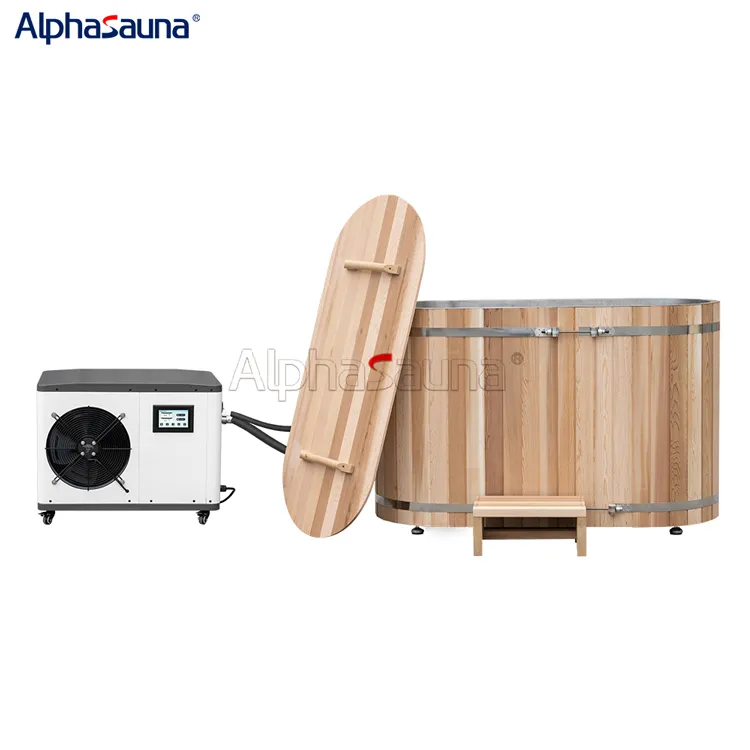
Are you interested in taking on the ice bath challenge? This guide explores different types of ice baths, their benefits, a beginner's guide to purchasing an ice bath, and much more. Join us and dive into the world of cold therapy!
Ice bath:A Must-Have Buying Guide for Beginners"
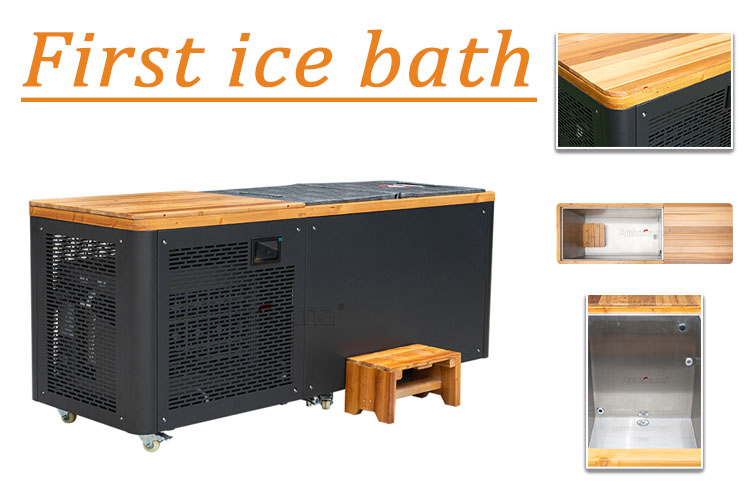
Taking an ice bath for the first time is a thrilling and exciting adventure, as the chill sweeps over you and puts your body on alert. For those of you who have no prior experience, you should acquaint yourselves with the pertinent knowledge regarding ice baths. The theme of this issue is "How long should you stay in your first ice bath?"
How long should a novice stay in the ice bath for the first time?
If you're health-conscious, whether you're a novice or a seasoned fitness aficionado, you likely have various approaches to enhancing your physical well-being. However, have you ever considered the benefits and precautions of both ice baths and hot water baths? In this edition, we'll delve into the nuances of ice bathing, exploring its health implications and essential considerations.
Should I take a hot shower after an ice bath?