Why Is My Hot Tub Losing Water?
author: Jerry
2024-01-02

Water loss in hot tubs is a very common phenomenon and can occur due to the effects of climate and temperature. But if your hot tub is losing more than an inch of water per week, you need to check to see if your hot tub is leaking. In this article, Alphasauna will explain why hot tubs lose water and how to check if your hot tub is leaking.
Causes Of Water Loss In Hot Tubs
Climate: If your hot tub is exposed to the sun on a hot summer day, the sun can evaporate the water in your hot tub. If you have a hot tub cover, you may be able to reduce the evaporation of water from the sun.
Temperature: Too low a temperature can also cause water to evaporate. Evaporation is especially common in winter, when average temperatures are at their lowest, which can produce steam and cause the water level in the bathtub to drop.
Leaky or damaged pipes: The water pipes around the tub, inlet or drain pipes may be leaky or damaged, allowing water to escape.
Seal issues: There may be issues with the seals between the tub and surrounding walls and floors, allowing water to seep in or escape.
Climate: If your hot tub is exposed to the sun on a hot summer day, the sun can evaporate the water in your hot tub. If you have a hot tub cover, you may be able to reduce the evaporation of water from the sun.
Temperature: Too low a temperature can also cause water to evaporate. Evaporation is especially common in winter, when average temperatures are at their lowest, which can produce steam and cause the water level in the bathtub to drop.
Leaky or damaged pipes: The water pipes around the tub, inlet or drain pipes may be leaky or damaged, allowing water to escape.
Seal issues: There may be issues with the seals between the tub and surrounding walls and floors, allowing water to seep in or escape.
Drainage system failure: The drainage system of the bathtub includes drainage holes, drain valves, and drain pipes. If there is a problem with any of these parts, it may cause the bathtub to lose water.
Loose connecting parts: If the parts connected to the water source, such as faucets, faucets, water inlet pipes, and drain pipes, are loose or incorrectly connected, water may be lost.
Damaged bathtub surface: Cracks, cracks, or other damage to the bathtub surface can also be the cause of water loss.
Installation problems: If the bathtub is installed improperly, such as the fixing screws are not tightened or the sealing material is improperly used, it may cause water leakage.
The above are the main reasons why hot tubs lose water, including due to climate and temperature or hot tub malfunction.
How To Check If A Wooden Hot Tub Is Leaking?
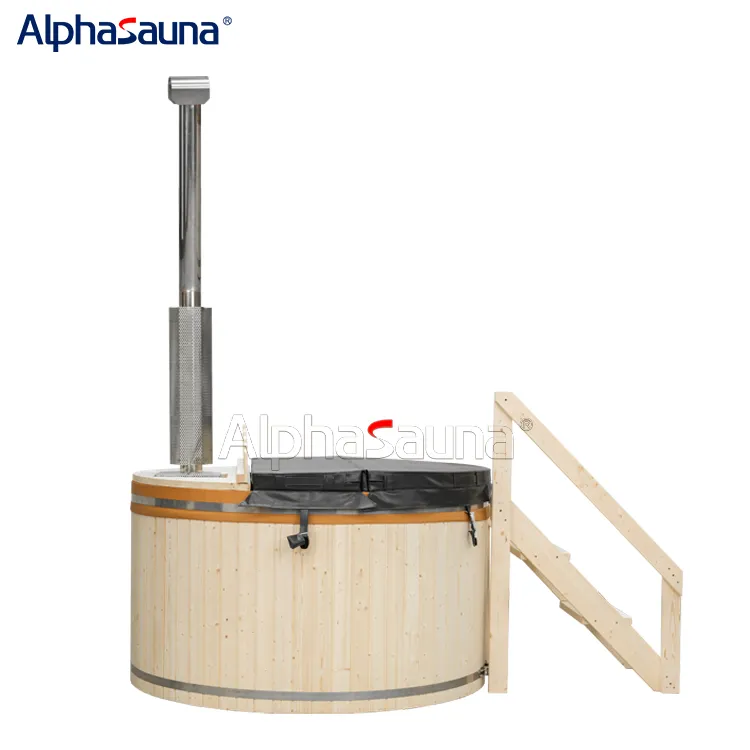
Observe the wood surface: Carefully inspect the surface of your wooden hot tub for cracks, cracks, dents, or other obvious damage. Any irregularities in the surface of the wood may lead to water leakage.
Seal Inspection: Inspect the seal on your wooden hot tub to make sure it’s not broken, aged or peeling off. The sealant is essential to prevent moisture from penetrating into the interior of the wood.
Drainage system inspection: Open the drain valve of the bathtub and check whether the drainage system is working properly. Observe the drain pipe for signs of leakage.
Check the seams: Check the seams around your wooden hot tub, especially where it connects to the walls and floor. Make sure the sealing material at the seams is intact.
Temperature and Humidity Effects: Understand the sensitivity of wood to temperature and humidity. Consider whether changes in temperature and humidity in the environment around the tub may cause the wood to expand or contract, causing leaks.
Wood Condition: Check the overall condition of the wooden hot tub, including the parts that are submerged in water. If the wood becomes soft, discolored, or has other visible changes, this could be a sign of a leak.
Water Quality Check: Check the quality of the water used, as some water qualities may have adverse effects on the wood and cause leakage problems.
How To Fix A Leaking Wooden Hot Tub
Surface Repair: If you notice small cracks or damage to the surface of your wooden hot tub, it can be repaired using an appropriate wood filler. Apply the filler and wait for it to dry, then sand and polish the repair to match the surrounding surface.
Seal Repair: If the seal is damaged, the waterproof seal will need to be reapplied. This can be done using wood sealant, waterproof paint or other suitable waterproofing materials. Make sure the old sealant is adequately cleaned before applying a new one.
Treatment of leaking seams: For leaking seams, reapply or replace the sealing material, such as silicone sealing strips. Make sure the sealing material at the seams is intact and can effectively prevent moisture penetration.
Plumbing and Drainage Repair: Inspect and repair any damaged pipes or drains. Leaky pipe sections may need to be replaced or connections reinstalled.
Temperature and Humidity Control: If the leak problem is related to temperature and humidity, consider taking steps around the tub, such as increasing ventilation, to reduce the potential for the wood to get damp and expand.
Water Quality Improvement: If water quality is adversely affecting wood, consider improving water quality or using appropriate treatments to reduce corrosion to the wood.
Regular maintenance: Perform regular maintenance, such as reapplying waterproof coatings, replacing sealing materials, etc., to extend the life of your wooden hot tub.
Conclusion
After answering why hot tubs lose water and how to troubleshoot and fix leaks in wooden hot tubs, we understand that keeping your tub intact is crucial to a pleasant bathing experience. Many factors such as climate, temperature, pipes, seals, connecting parts, etc. can cause water loss in hot tubs, and wooden hot tubs require special attention.
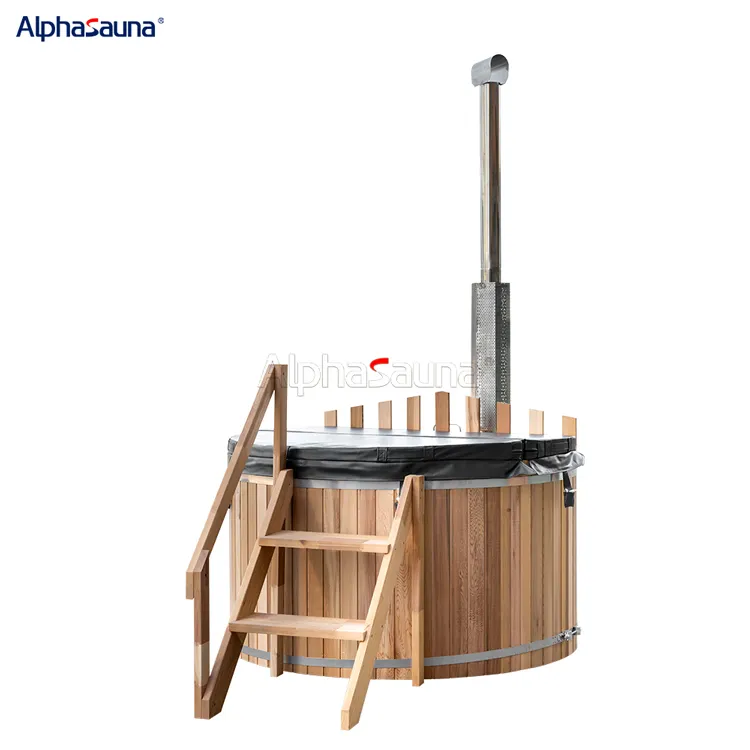
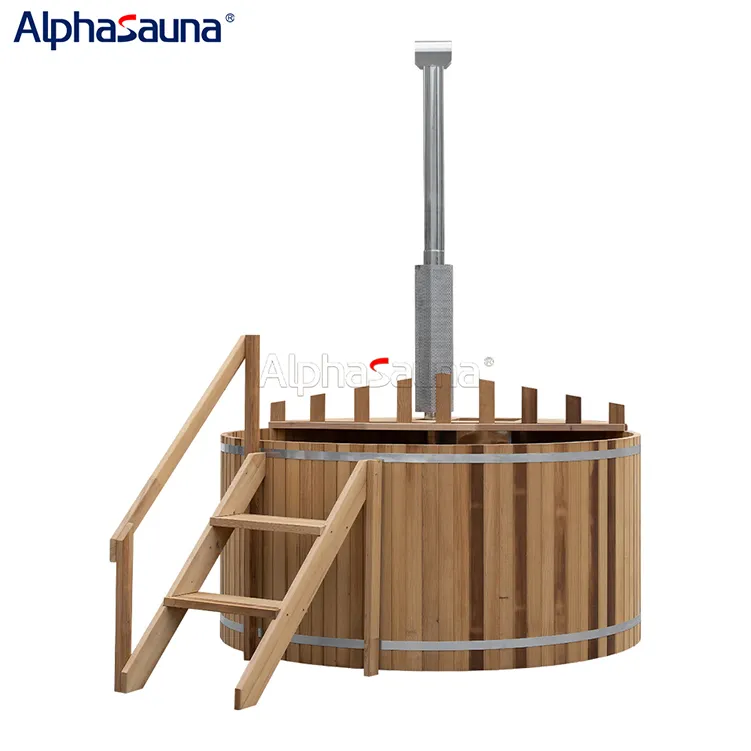
When implementing repair measures, observing the wood surface, inspecting seals, drainage, and maintaining the integrity of joints are all critical steps in ensuring that your wooden hot tub is watertight. By comprehensively considering temperature, humidity and water quality, we can more comprehensively understand the leakage problem and take corresponding repair measures to protect the quality and lifespan of the bathtub.
In general, the leakage problem of wooden hot tubs not only requires timely investigation and repair, but also requires sufficient attention in daily use and maintenance. By taking a series of maintenance measures, we can extend the life of our wooden hot tub and ensure that it continues to provide us with a warm and comfortable bathing experience. While enjoying bathing, let us also learn to care for and maintain our hot tubs, adding more comfort and warmth to home life.
How to Clean and Care for an Inflatable Hot Tub
How many calories does sitting in a hot tub burn
Related Article
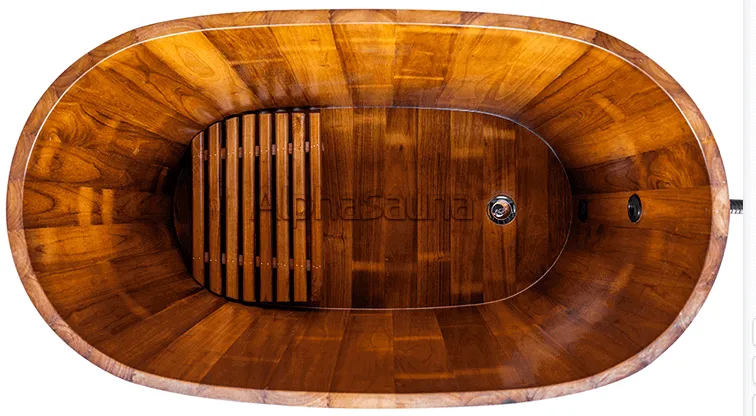
How to maintain a hot tub? This article will help answer your questions. Alphasauna is a limited company specializing in the production of wooden/tent/infrared saunas, ice buckets, hot tubs, sauna accessories, and more.
How To Maintain A Hot Tub?

What chemicals are needed for a hot tub? This article will help answer your questions. Alphasauna is a limited company specializing in the production of wooden/tent/infrared saunas, ice buckets, hot tubs, sauna accessories, and more.
What Chemicals Are Needed For A Hot Tub?