The Frozen Solution: How Cold Plunging Can Help with Inflammation and Pain
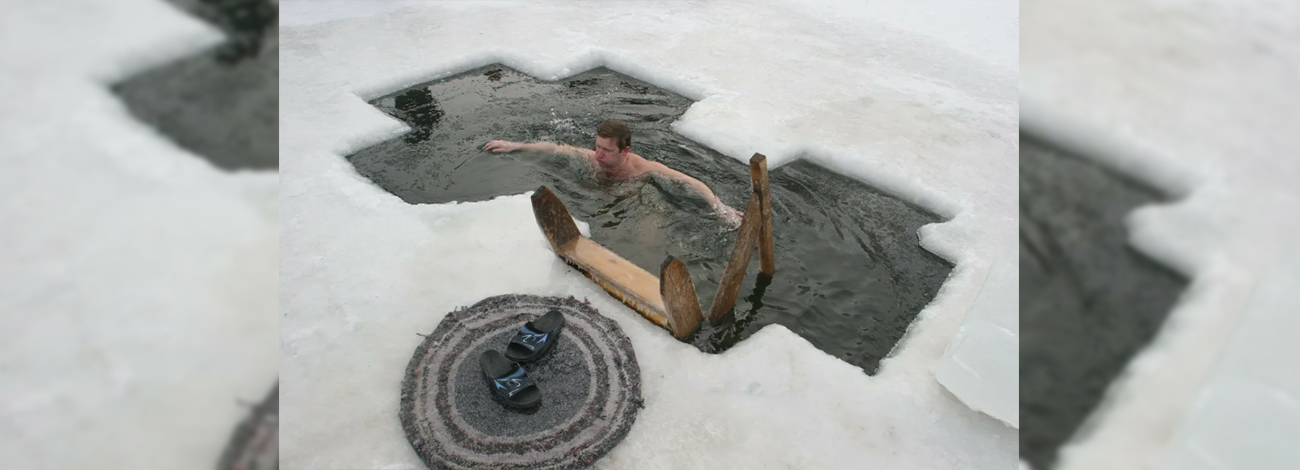
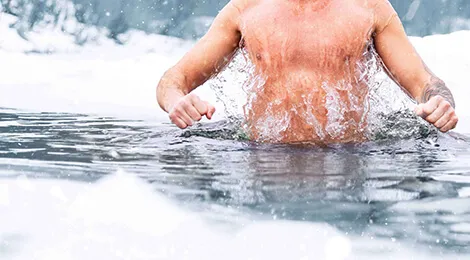
Cold plunging, through the use of ice baths, has emerged as a popular therapy for managing inflammation and alleviating pain. This article explores the effectiveness of cold water immersion and provides practical tips on how to incorporate ice baths into your routine for maximum benefits.
When it comes to soothing leg muscles and reducing inflammation, ice baths can be highly effective. Follow these steps for a proper leg ice bath:
Fill a tub or basin with cold water, ensuring it covers your legs.
Add ice to lower the water temperature. Aim for a temperature of around 50-59°F (10-15°C).

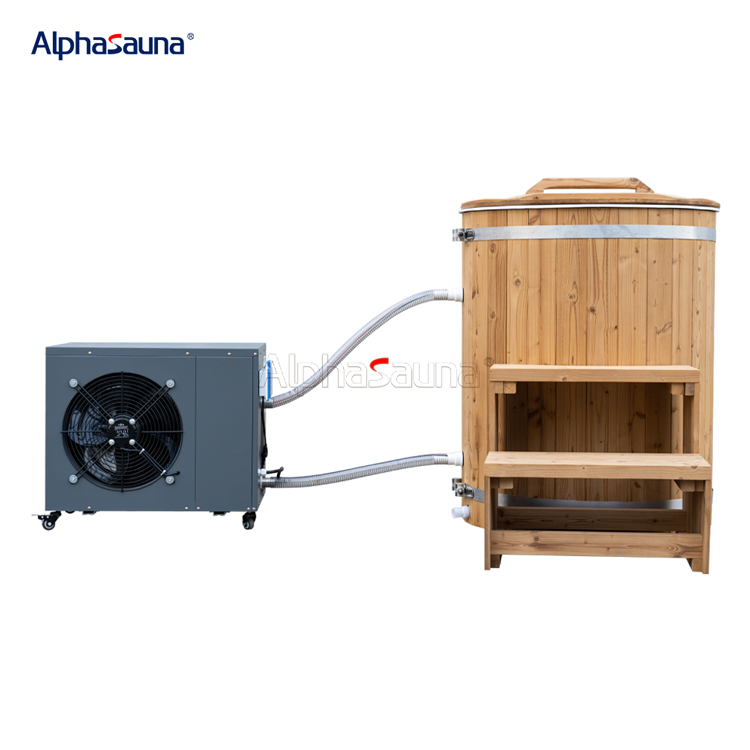
Gently immerse your legs into the ice bath, allowing the cold water to envelop the muscles.
Keep your legs in the ice bath for approximately 10-15 minutes, or until you feel numbness or relief.
After the ice bath, dry your legs thoroughly and consider gentle stretching or light movement to promote circulation.
To ensure a safe and effective ice bath experience, follow these guidelines:
Fill the tub or basin with cold water, maintaining a temperature range of 50-59°F (10-15°C).
Add ice cubes or ice packs to lower the water temperature if needed. Monitor the temperature to prevent overcooling.
Gradually immerse your body into the ice bath, starting with your lower extremities and progressing upward.
Relax and breathe deeply while in the ice bath, allowing your muscles to adjust to the cold.

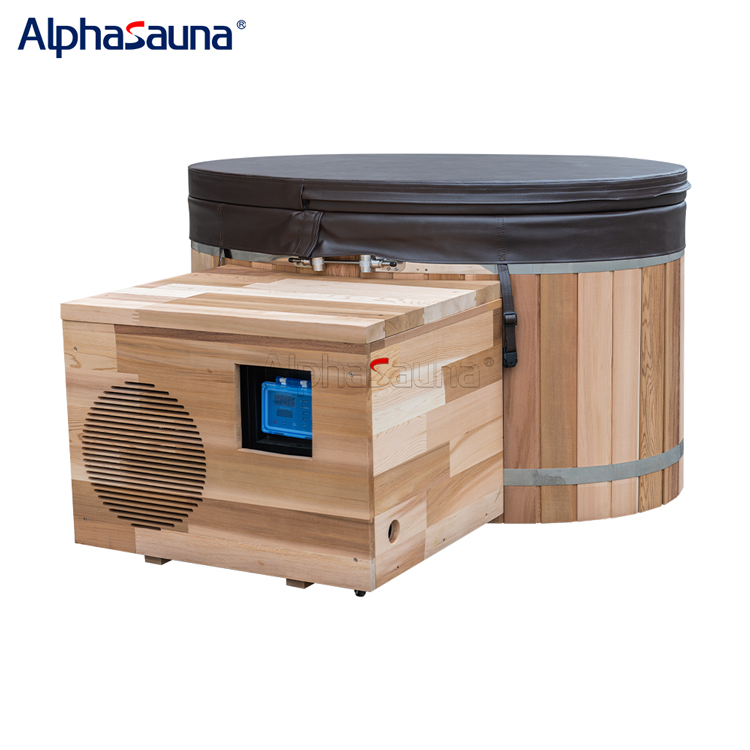
Limit your ice bath duration to 10-15 minutes to avoid prolonged exposure.
How to Ice Bath for Recovery:
Ice baths are commonly used for post-workout recovery. Follow these steps to optimize your recovery:
Prepare the ice bath as described above.
Take an ice bath within 30 minutes after your workout to maximize the benefits.
Submerge your body up to your neck for a comprehensive recovery experience.
Engage in deep breathing and focus on relaxation while in the ice bath.
After the ice bath, warm up gradually with a warm towel, light exercise, or a warm shower.
How to Keep an Ice Bath Clean:
Maintaining cleanliness in your ice bath is crucial. Consider the following tips:
Use filtered water to fill the ice bath and minimize impurities.
Clean the tub or basin thoroughly before each use to remove any residue or bacteria.
Consider using antimicrobial additives or cleaning agents specifically designed for ice baths.
Drain and refill the ice bath after each session to prevent the buildup of bacteria or contaminants.
How to Keep an Ice Bath Cold:
Keeping the water temperature consistently cold during your ice bath is essential. Here's how:
Use a thermometer to monitor the water temperature and adjust it as needed.
Add ice cubes or ice packs to the bath to maintain the desired temperature.
Consider insulating the tub or basin with towels or insulating covers to slow down heat transfer.
If necessary, add additional ice throughout the session to keep the water cold.
Conclusion:
Ice baths offer a powerful solution for managing inflammation and reducing pain. By following the guidelines provided in this article, you can safely and effectively incorporate ice baths into your routine. Whether you're targeting specific muscle groups or focusing on overall recovery, the benefits of cold plunging can be transformative. Embrace the icy plunge and experience the relief it brings to your body.
Cold Therapy for the Brave: The Science Behind Cold Plunging
Chilling Out: The Psychological Benefits of Cold Water Therapy
Related Article