


DIY Cold Plunge
author: dick
2023-09-03

Making your own hot tub at home can add fun and benefits to your life, including improved circulation, reduced inflammation, and enhanced mental health. Here are the steps to make a DIY Cold Plunge:
First, gather your tools:
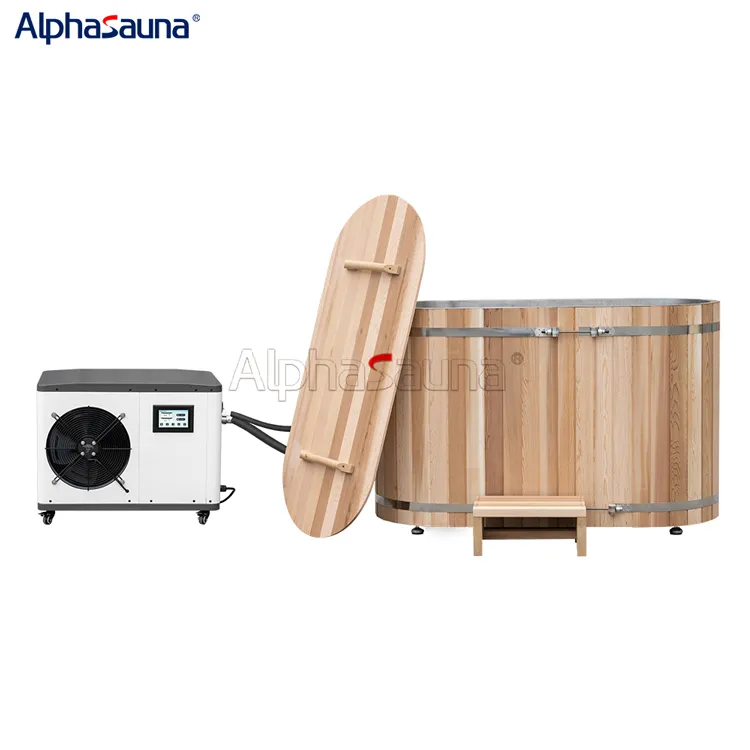
Reservoir: You will need a reservoir to hold the cold water. There are plenty of options on the market, such as Cold Plunge Tub ($5000), Odin Ice Bath ($6900), and Polar Monkeys ($2800). Or, you can buy more affordable options in China, like the Alphasauna Cold Soaking Tub ($1,500). If you're on a tight budget, you might also consider a larger water container (needs to be big enough) and plenty of ice, or a rectangular freezer (without a water cycle).
Cold water source: Depending on your geographic location and season, it is critical to make sure the water is at the desired cold temperature. If you live in a naturally cold climate, you can rely on free cooling. However, if not available, ice or a cooling system is recommended to maintain a consistent low temperature. The ideal cold plung temperature is usually 10-15°C (50-60°F).

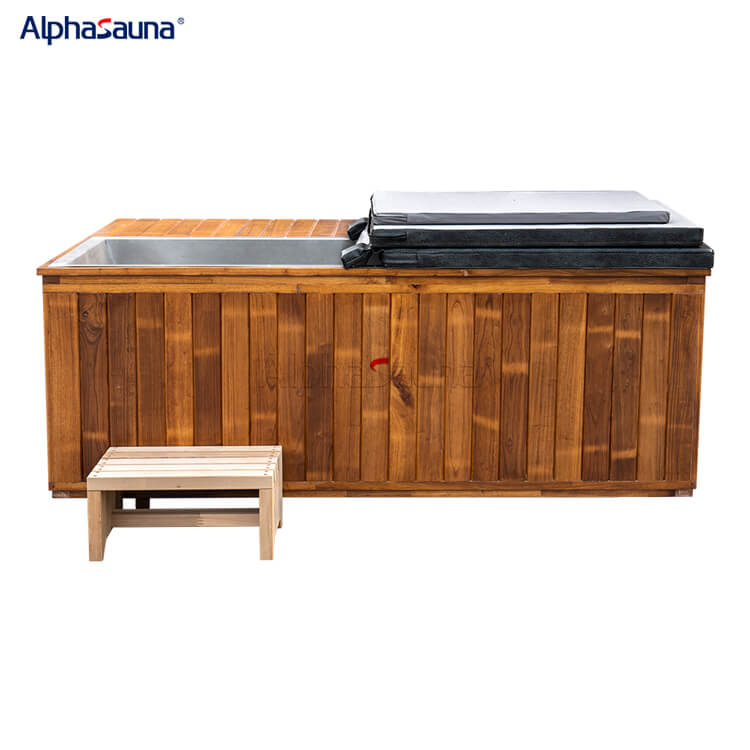
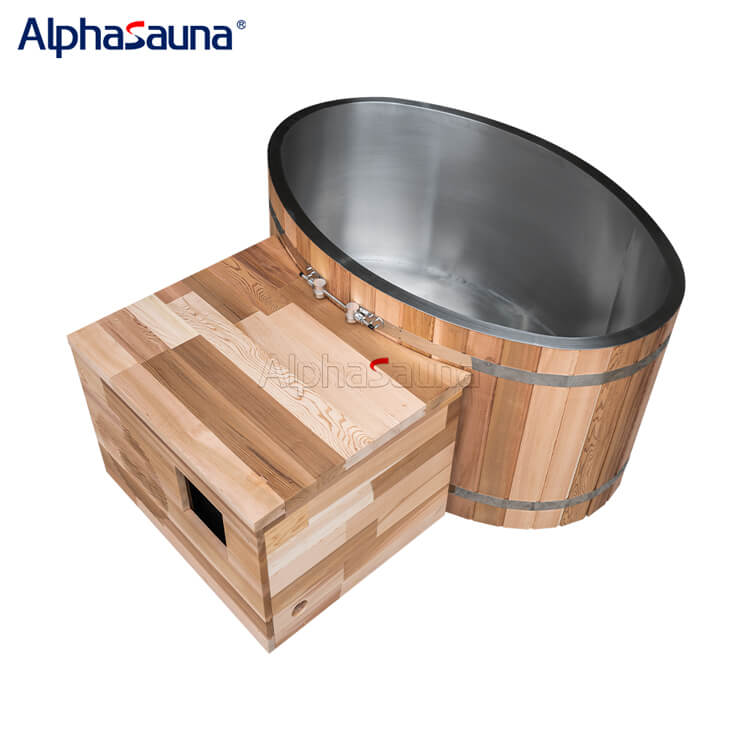
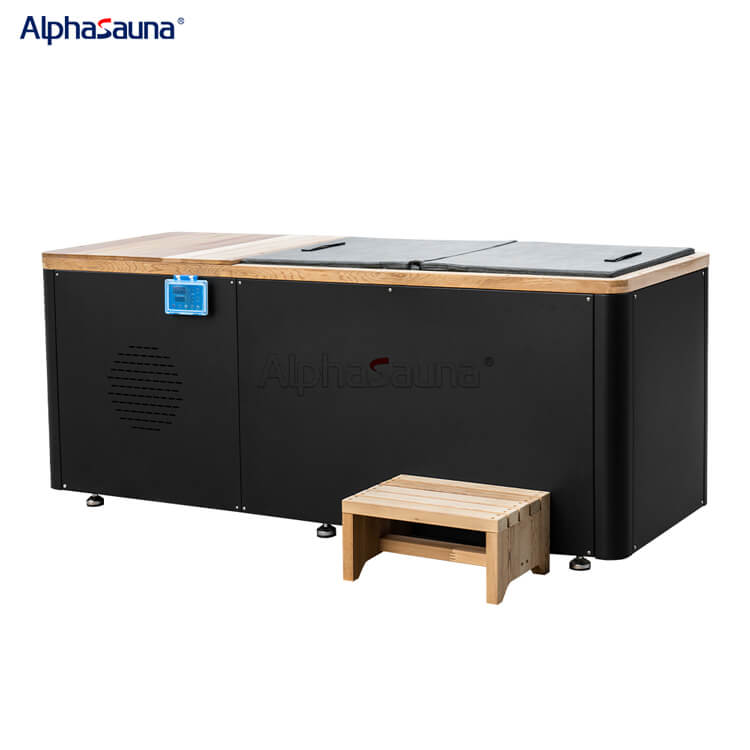
Towels and a change of clothing: Keep towels and a change of clothing nearby for quick drying and changing after a cold dive.
Measuring tool: Use a thermometer to measure the temperature of the water to keep it within the desired temperature range. As mentioned earlier, a temperature of about 10-15 °C (50-60 °F) is recommended for a suitable cold quench.
1. Choose the right tank:
Consider the size and depth of your tank to make sure it's roomy enough to accommodate your body comfortably while providing cooling space.
Consider the size and depth of your tank to make sure it's roomy enough to accommodate your body comfortably while providing cooling space.
2. Cold water supply:
The source of cold water, whether through pipes or other means. If you are using ice to lower the temperature of your cold water, you will need to make sure you have enough storage space to hold the bulk of the ice.
The source of cold water, whether through pipes or other means. If you are using ice to lower the temperature of your cold water, you will need to make sure you have enough storage space to hold the bulk of the ice.
3. Temperature control system (optional):
Installing a temperature control system can ensure that the water temperature remains within the desired range. This is a circulatory system with an electronic temperature controller that can be adjusted as needed.
Installing a temperature control system can ensure that the water temperature remains within the desired range. This is a circulatory system with an electronic temperature controller that can be adjusted as needed.
4. Heat insulation and cooling system (optional):
If you're using your cold tub year-round, especially in cold climates, consider insulating your tub to keep it from freezing in the winter.
If you're using your cold tub year-round, especially in cold climates, consider insulating your tub to keep it from freezing in the winter.
5. Safety and comfort:
Enhance safety by adding features such as non-slip mats, grab bars, or other support structures inside and outside the tank to minimize the risk of slipping or accidental injury.
A comfortable seat in the ice bath makes the experience even more enjoyable.
6. Monitor water temperature:
Check the water temperature with a thermometer to make sure it is in the 10-15°C (50-60°F) range for a Cold Plunge
Check the water temperature with a thermometer to make sure it is in the 10-15°C (50-60°F) range for a Cold Plunge
7. Safety and maintenance:
Daily Cold Plunge inspection and maintenance to ensure that all equipment and systems are functioning properly.
8. Final touches and enjoy:
Consider adding decorative elements to the area around the cold tub to enhance its appeal.
Finally, enjoy the many benefits of cold swimming, including improved circulation, reduced inflammation, and enhanced mental health.
Remember, safety is paramount when undertaking any DIY project. If you are unsure of certain steps or lack specific skills, it is recommended to seek professional help to ensure the success and safety of the project.
Remember, safety is paramount when undertaking any DIY project. If you are unsure of certain steps or lack specific skills, it is recommended to seek professional help to ensure the success and safety of the project.
How Cold Is a Cold Plunge?
Ice Bath vs Sauna: Exploring the Contrasting Benefits of Cold Immersion and Heat Therapy with Alphasauna
Related Article
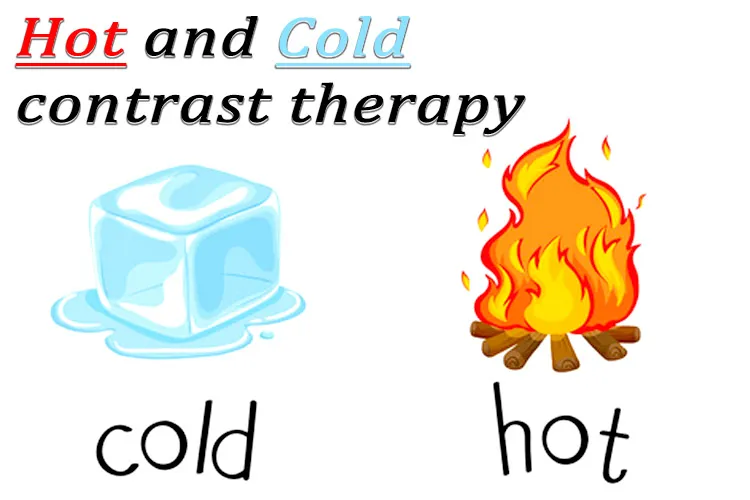
Both hot 、 ice baths can bring health benefits. What effect can be achieved by combining them? How does the alternating hot and cold shock feel to the body?
Take advantage of hot and cold contrast therapy
Are you interested in taking on the ice bath challenge? This guide explores different types of ice baths, their benefits, a beginner's guide to purchasing an ice bath, and much more. Join us and dive into the world of cold therapy!
Ice bath:A Must-Have Buying Guide for Beginners"
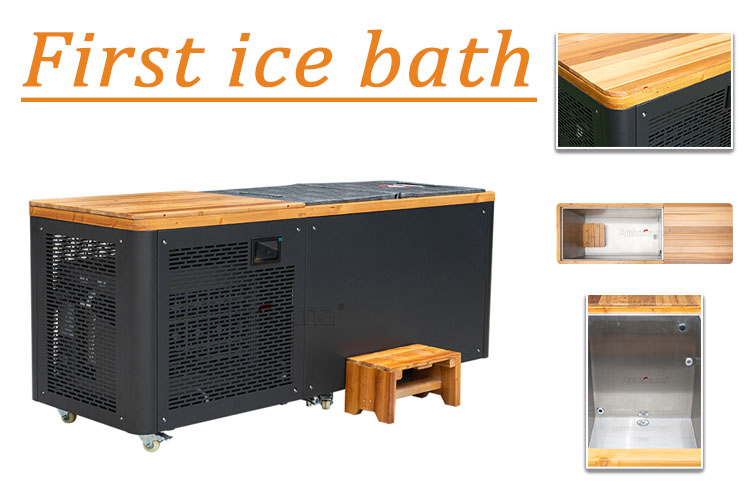
Taking an ice bath for the first time is a thrilling and exciting adventure, as the chill sweeps over you and puts your body on alert. For those of you who have no prior experience, you should acquaint yourselves with the pertinent knowledge regarding ice baths. The theme of this issue is "How long should you stay in your first ice bath?"
How long should a novice stay in the ice bath for the first time?
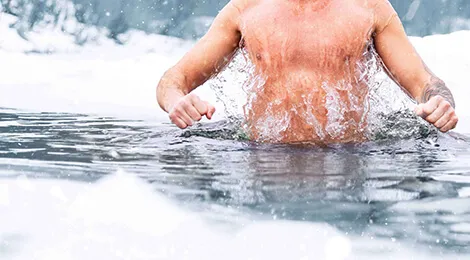
If you're health-conscious, whether you're a novice or a seasoned fitness aficionado, you likely have various approaches to enhancing your physical well-being. However, have you ever considered the benefits and precautions of both ice baths and hot water baths? In this edition, we'll delve into the nuances of ice bathing, exploring its health implications and essential considerations.
Should I take a hot shower after an ice bath?